

Pair of Shelves
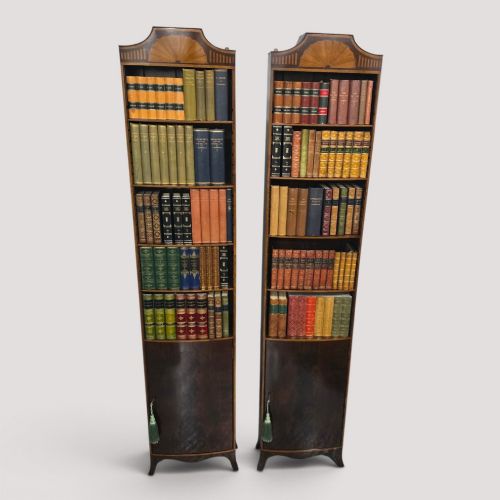
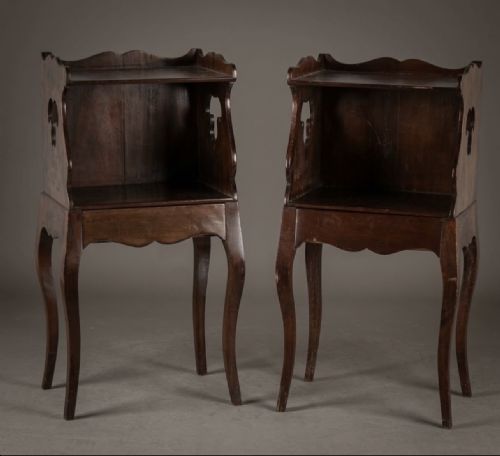
A pair of shelves brings symmetry to a room, offering matched ledges for books or display that anchor an interior wall.
Pair of Shelves
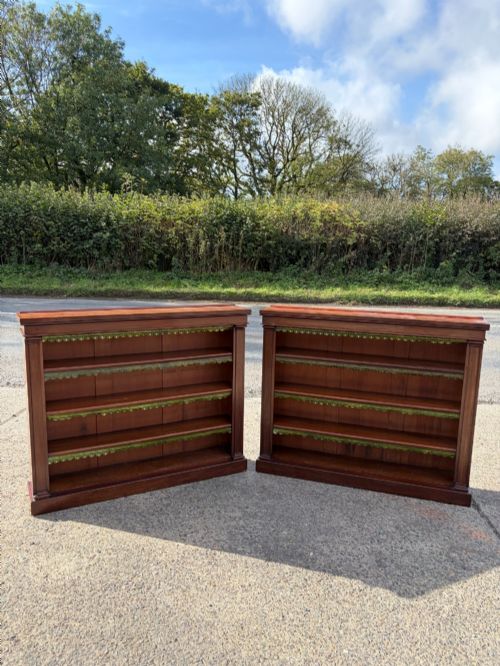
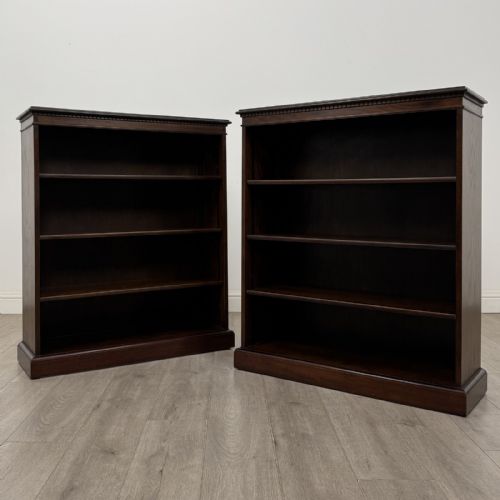
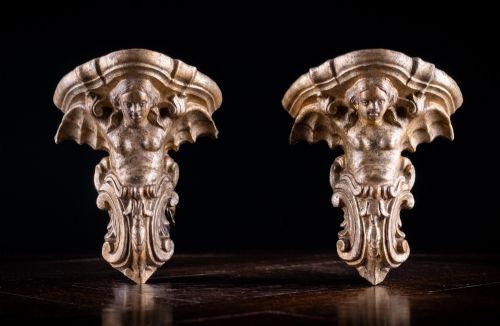
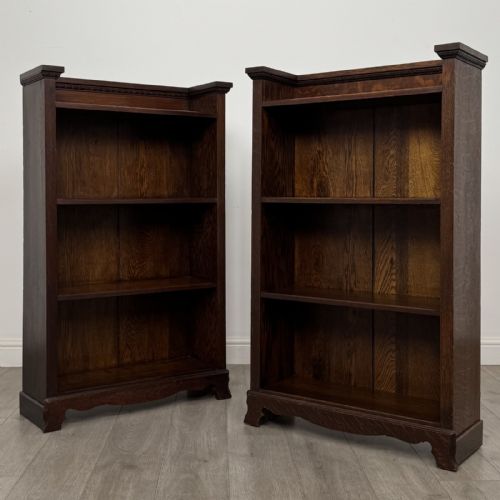
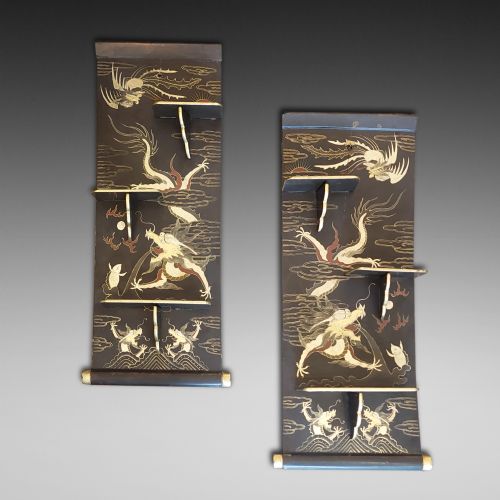
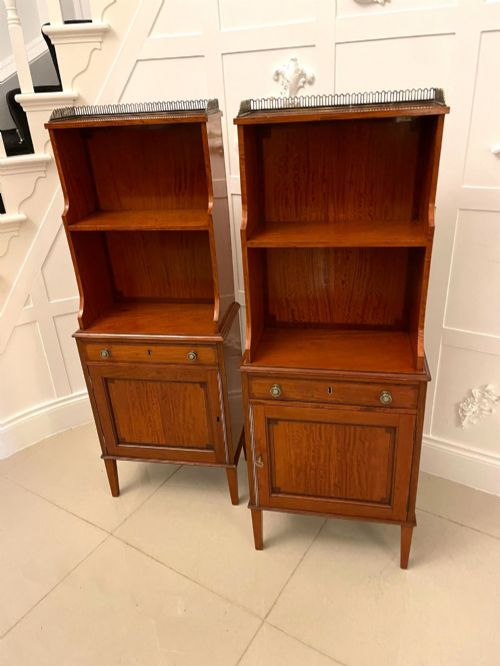
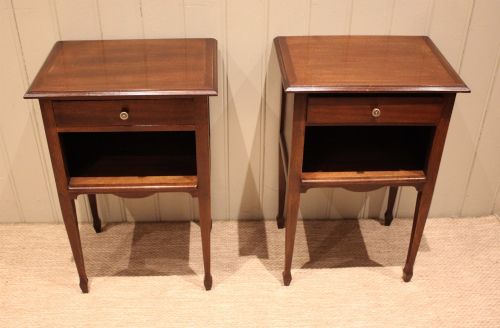
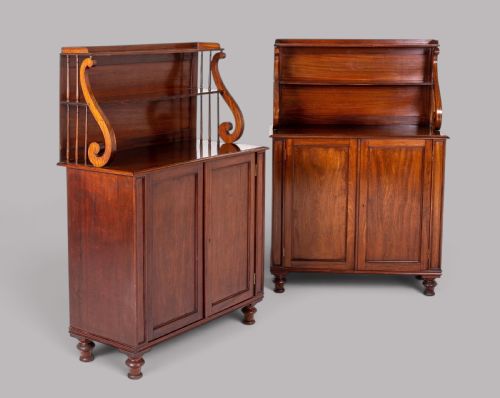
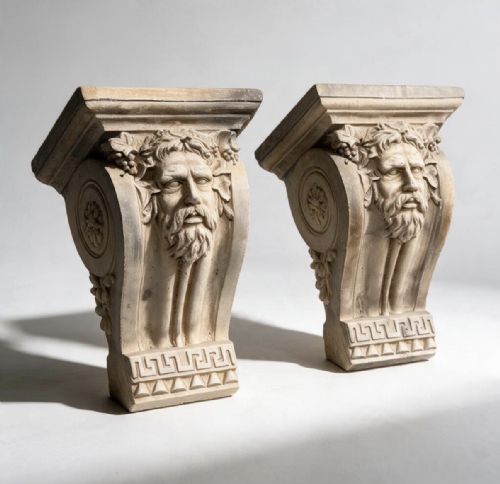
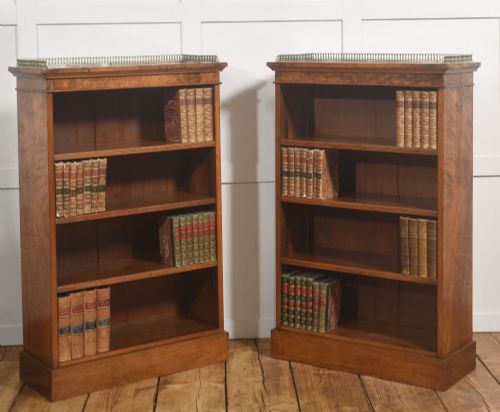
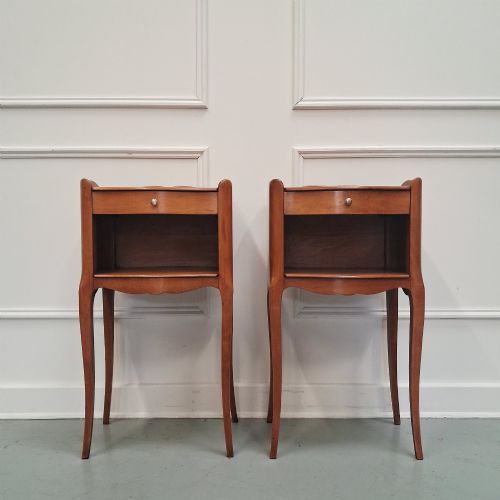
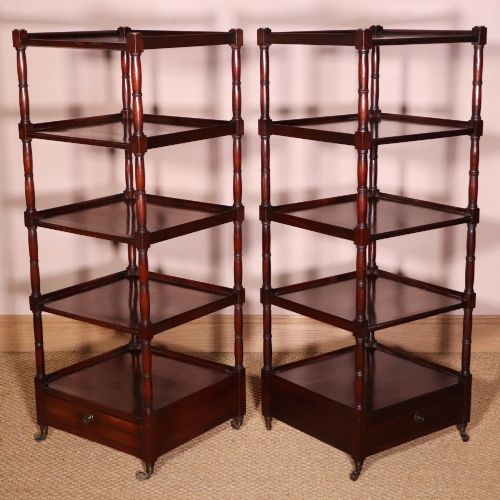
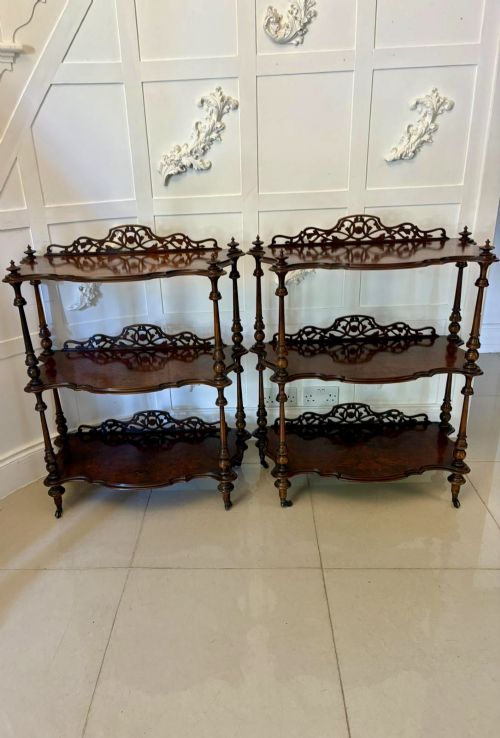
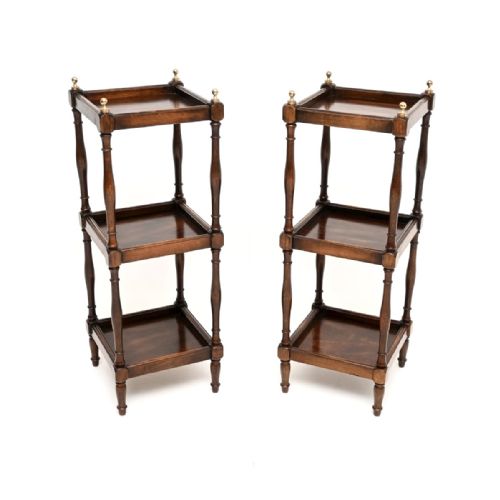
A pair of shelves encompasses various wall-mounted and freestanding formats, including open bookcases, corner whatnots, and carved wooden wall brackets.
The pieces span periods from the eighteenth century through the 1930s, featuring Victorian, Regency, and Art Deco design influences.
Mahogany and walnut appear frequently alongside oak, cherry wood, and rosewood, reflecting traditional cabinet-making materials.
Distinction in Craft
Quality rests in the precision of the timber selection, such as figured burr walnut or satinwood, and the crispness of hand-carved ornamentation.
Subtlety in proportion and the integration of functional elements like brass galleries separate standard production items from distinguished workshops.
Pair of Shelves Retail Price Guide 2026
Typical asking prices for pair of shelves among the pieces listed under this phrase on Sellingantiques today, from the lower quarter to the upper quarter. They describe what is for sale here now, not the wider market.
Listings feature woods including mahogany, walnut, oak, rosewood, and satinwood across multiple centuries of design.
Gillows·Heals·Edwards & Roberts·Cottier & Co.
The Pair of Shelves Glossary
- Whatnot
- A tiered movable shelving unit designed for displaying ornaments or books. It gained popularity during the Victorian and Regency periods.
- Bracket
- A supporting architectural member projecting from a wall. These often take decorative forms in carved wood or terracotta.
- Gallery
- A raised decorative border along the edge of a shelf or tabletop. It prevents items from sliding off.
- Girandole
- A branched wall bracket holding candles or lights, frequently incorporating a mirror. They emerged in various decorative styles.
Pair of Shelves: Frequently Asked Questions
Where should I hang wall shelves?
Wall brackets and hanging shelves suit flanking a fireplace, framing a doorway, or mounting above a low sideboard to create visual balance.
Ensure proper wall fixings support the weight of the timber and any objects placed upon them.
How do I style a matched pair?
Symmetrical placement requires careful balancing of objects on each shelf to maintain harmony without appearing overly rigid or identical.
Distribute books and decorative items by height and weight to echo the symmetry of the shelving itself.
Are freestanding whatnots stable?
Freestanding tier units and open bookcases from the nineteenth century are generally robust when placed on level flooring.
Heavier items belong on the lower tiers to maintain a stable centre of gravity.
How do I identify a period style?
Characteristics such as brass galleries, satinwood veneers, or heavy Victorian carving point directly to specific decades of manufacture.
Comparing construction joints and timber types helps confirm the era of the piece.