

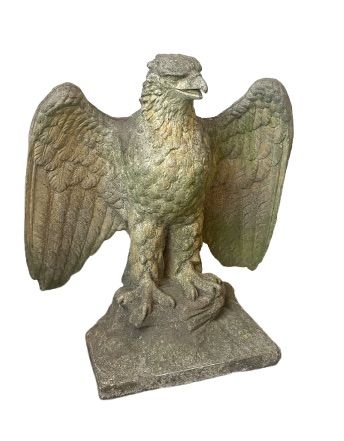
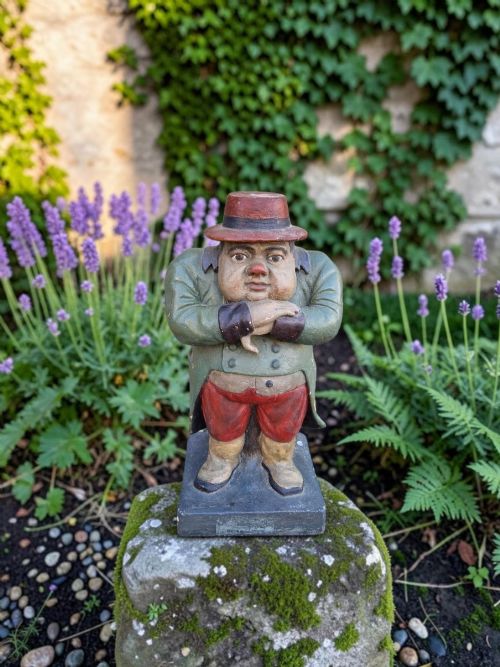
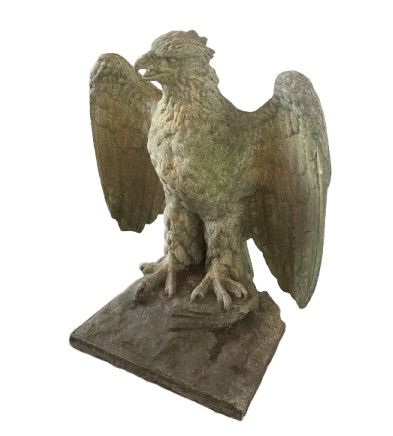
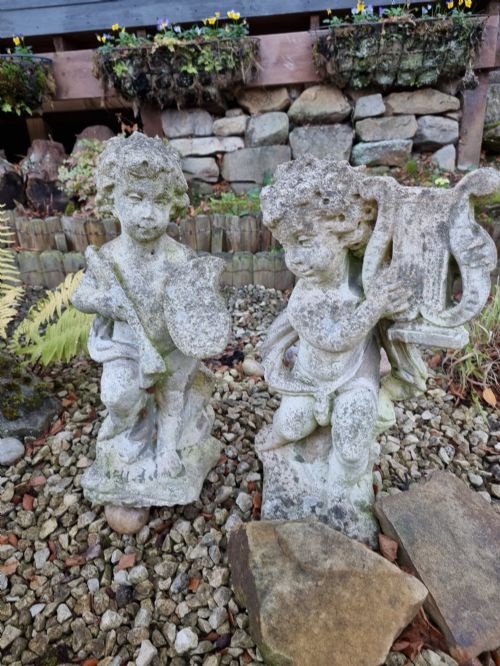
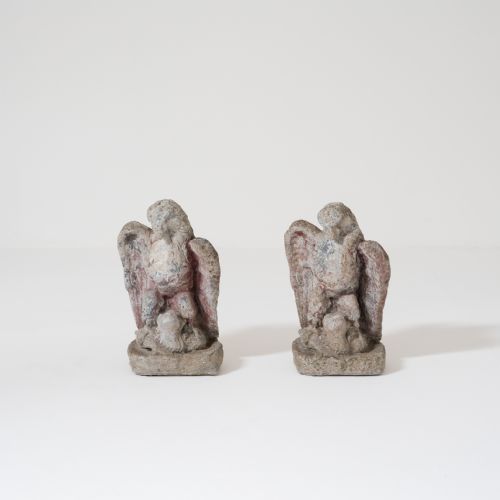


Pair of Garden Statues
These pair of garden statues bring symmetry and enduring presence to outdoor spaces, selected here across stone, iron, terracotta, and bronze.
Pair of Garden Statues
A pair of garden statues brings formal symmetry and focal weight to lawns, terraces, and gateways. The pieces assembled under this search phrase span centuries of outdoor ornament, from classical stone figures to robust metal castings.
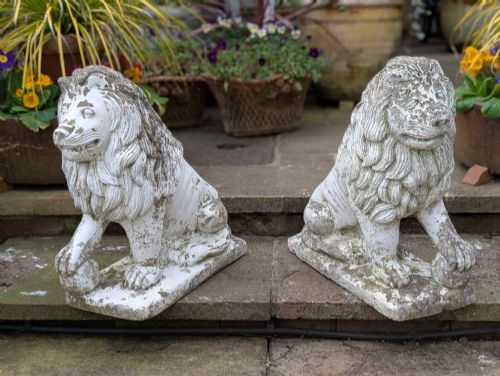
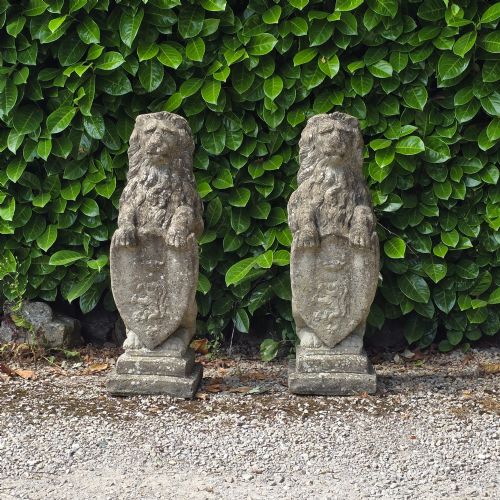
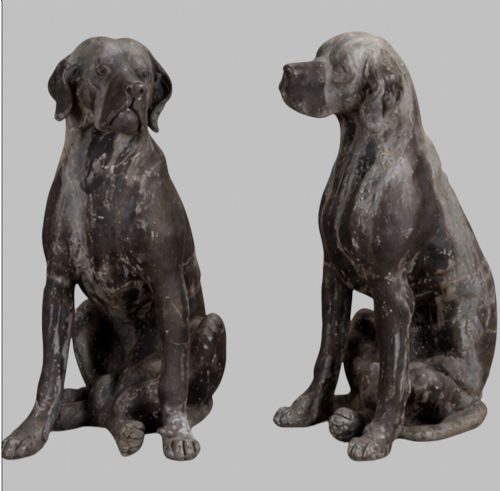
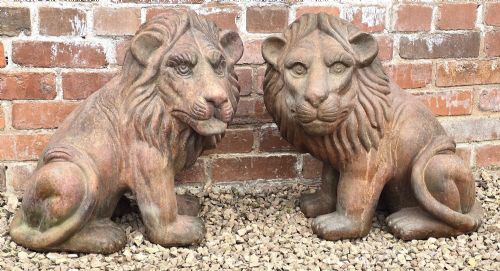
Lions predominate among these matched pairs, appearing in various forms from nineteenth-century French models to monumental terracotta and limestone examples. Alongside these architectural guardians, buyers encounter eagles, hounds, cranes, and human figures designed for exterior placement.
Origins stretch across British, French, Italian, and Asian workshops, utilising materials suited to weather exposure. These objects serve both decorative and structural roles, frequently functioning as pier finials, gate posts, or terrace ornaments.
Materials and construction methods
Traditional casting and carving define these works, utilising durable media like terracotta, cast iron, reconstituted stone, and carved limestone. Foundries and workshops poured molten metal into intricate moulds or shaped natural blocks by hand to achieve enduring exterior forms.
Terracotta and stoneware examples underwent high-temperature kiln firing to fix their buff or red earthen pigments, while lead and bronze compositions relied on detailed metal casting. Surface finishes often display decades of weathering, adding organic patinas to the stone and metal substrates.
Pair of Garden Statues Retail Price Guide 2026
Typical asking prices for pair of garden statues among the pieces listed under this phrase on Sellingantiques today, from the lower quarter to the upper quarter. They describe what is for sale here now, not the wider market.
Current listings feature materials ranging from cast lead and bronze to terracotta, limestone, and reconstituted stone.
Distinctions in quality and execution
Material density and structural integrity dictate longevity, as heavier cast stone, dense limestone, and thick-walled iron withstand freeze-thaw cycles more reliably. Provenance and original architectural context also elevate certain pieces, particularly those sourced from historic civic buildings or country estates.
The Pair of Garden Statues Glossary
- Pier finial
- An architectural ornament placed on top of a gate pier or wall end. These pieces provide vertical punctuation to masonry boundaries.
- Reconstituted stone
- A manufactured material made from crushed stone aggregate and cement binder moulded into specific shapes. It offers the appearance of natural stone with consistent structural properties.
- Terracotta
- Fired unglazed clay possessing a characteristic porous body and warm reddish or buff tone. This medium allows for deep sculptural relief in garden ornaments.
- Okimono
- A Japanese term for a decorative object placed for display, often rendered here in bronze as naturalistic animal figures. These pieces reflect detailed metalwork traditions of the early twentieth century.
- Hitching post
- A vertical post fitted with a ring or decorative terminal, historically used for tethering horses. Victorian examples often take the form of cast iron animal or human figures.
Pair of Garden Statues: Frequently Asked Questions
How do I secure heavy stone statues outdoors?
Most substantial stone and cast composite pieces rely on their own dead weight for stability when placed on level ground or masonry plinths. For taller figures or exposed windy locations, professional installation using concealed stainless steel dowels or mortar beds ensures secure placement.
Matching pairs require careful alignment to maintain the intended architectural symmetry. Consulting a specialist installer prevents movement or settling over time on lawns and gravel paths.
Can cast iron garden statues stay outside in winter?
Cast iron pieces tolerate winter conditions well provided their protective surface coatings remain intact. Regular inspection for early corrosion helps preserve the metal through damp months.
Applying specialised exterior wax or paint formulations guards against moisture ingress. Storing hollow figures indoors during freezing periods is rarely necessary if drainage holes remain clear.
How should I clean weathered terracotta statues?
Gentle washing with low-pressure water and a soft bristle brush removes accumulated organic debris without damaging the porous surface. Harsh chemical cleaners and pressure washers strip away historic patinas and erode the fired clay.
Allowing natural mosses and lichens to remain is often preferred by collectors. Protecting unglazed terracotta from severe frost expansion requires ensuring no standing water collects in hollow sections.
What distinguishes reconstituted stone from natural stone?
Reconstituted stone combines crushed natural aggregates with a cement binder, pressed or poured into moulds to replicate carved stonework. Natural stone is hewn directly from a quarry block by hand or machine.
Both materials weather gracefully outdoors, though natural limestone and sandstone display unique geological graining. Cast stone offers uniform composition and reliable replication for matched pairs.