


Pair Crystal Lights
Pair crystal lights bring a focused symmetry and reflective brilliance to a room, spanning wall sconces, chandeliers, and table lustres.
Pair Crystal Lights
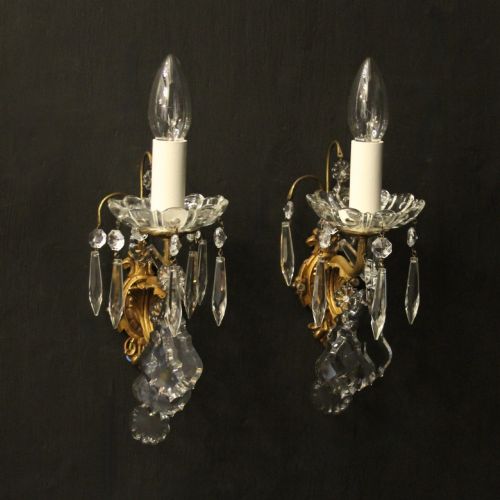
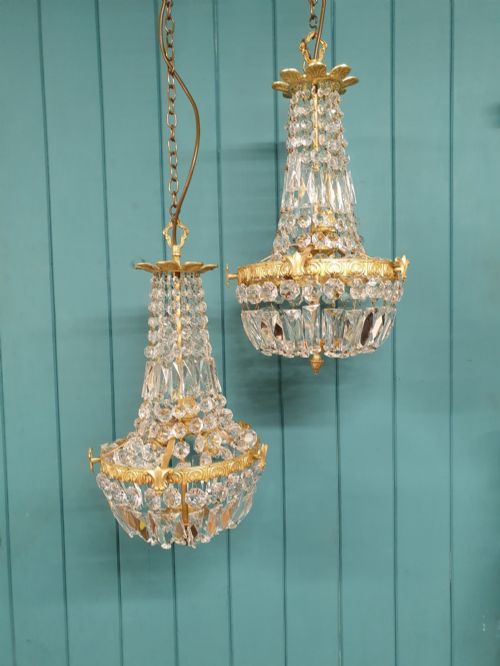
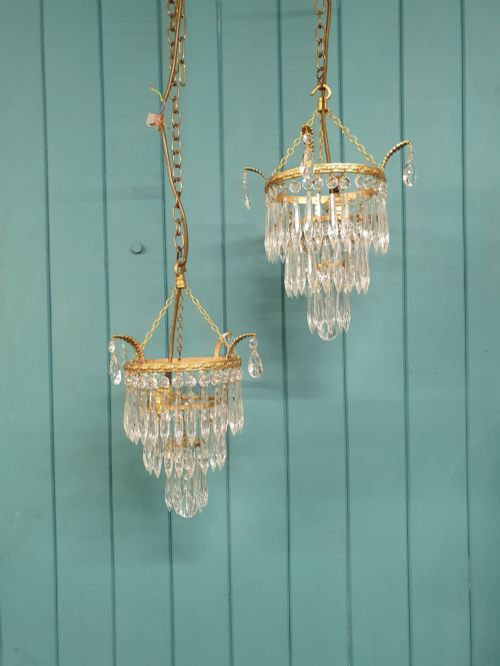
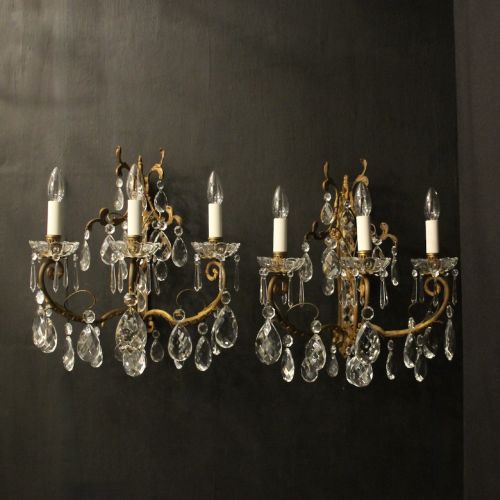
When searching for pair crystal lights, buyers encounter a diverse selection of matching illumination forms designed to balance a room. The items span various historical periods, notably the Victorian era, the Edwardian years, and the early decades of the twentieth century, with French and Swedish origins appearing frequently.
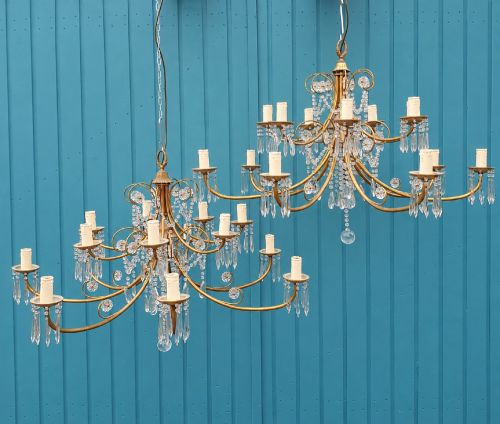
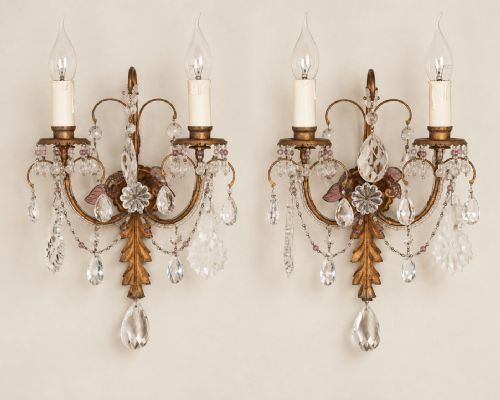
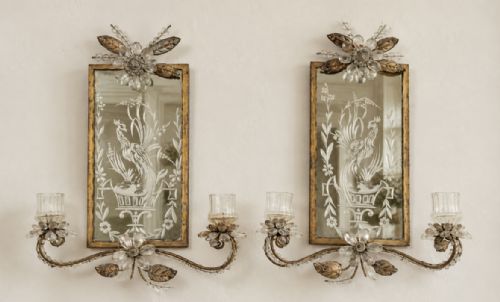
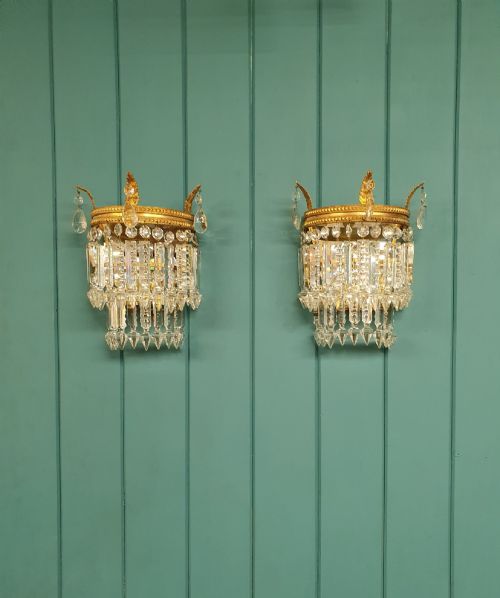
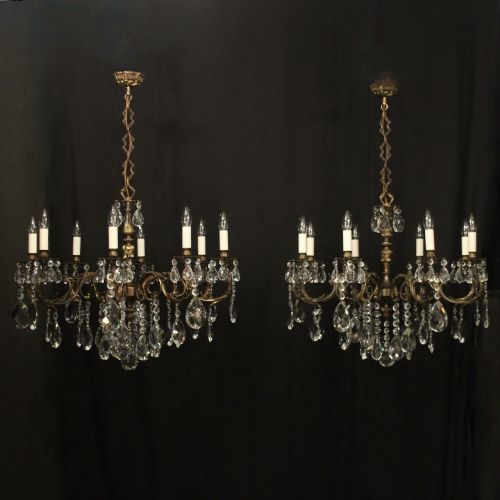
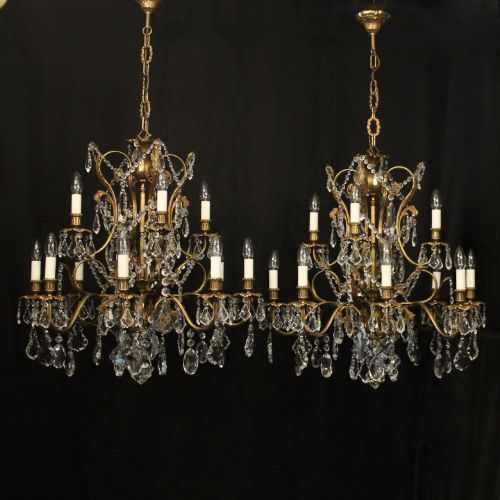
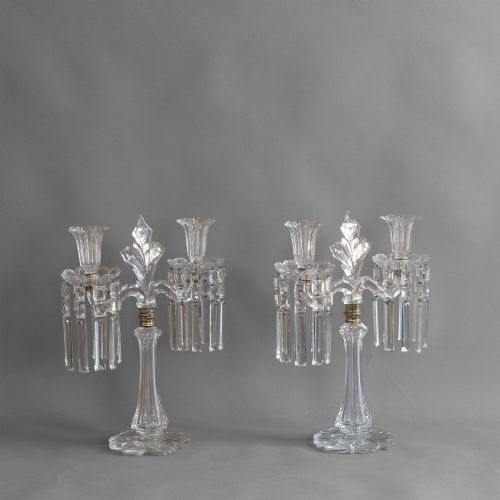
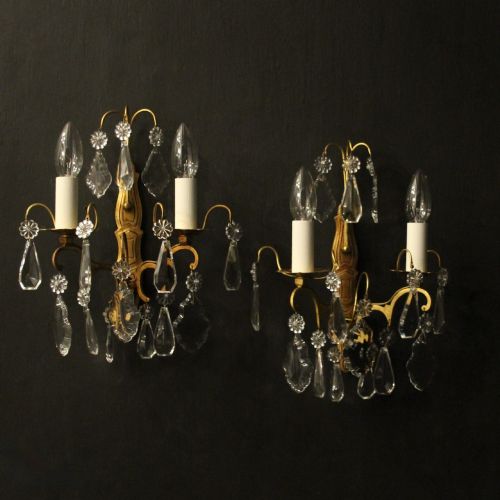
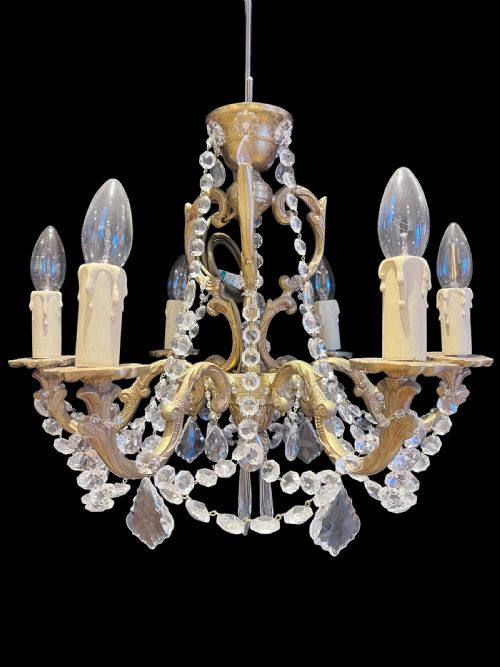
Wall lights and wall sconces dominate the selection, often featuring twin or triple arms set with cut glass drops. Alongside these wall fixtures, chandeliers, table candelabra, and mantel lustres provide options for both central ceiling placement and surface display.
Stylistically, pieces draw on French chateau, neoclassical, and baroque revivals alongside simpler Edwardian interpretations. The unifying element across these forms is the combination of metal framing and light-reflecting glass or crystal components.
How They Were Made
The construction of pair crystal lights relies on foundational metalwork combined with hand-formed glass or crystal elements. Makers utilised brass, bronze, and gilt bronze for the structural arms, backplates, and frames, often applying a gilt finish to enhance the decorative impact.
Pendants, drops, and lustres were shaped from cut crystal or glass, then suspended from the metal frames using wire loops or pins. This method allowed the hanging prisms to move freely and catch the light from multiple angles.
More ornate examples incorporate cast details such as cherubs, scrolling foliage, or figurative motifs like stags and does, demonstrating skilled foundry work alongside precision glass-cutting techniques.
Pair Crystal Lights Retail Price Guide 2026
Typical asking prices for pair crystal lights among the pieces listed under this phrase on Sellingantiques today, from the lower quarter to the upper quarter. They describe what is for sale here now, not the wider market.
Stag and doe figures occasionally support the candles, bringing a touch of woodland theatre to the drawing room.
What Varies in Quality
The distinction between tiers of pair crystal lights rests primarily on the depth of hand-cutting in the crystal and the weight of the metal armature. Superior pieces exhibit crisp facets on every pendant and drop, whereas lesser examples show softer, moulded edges that diffuse light less sharply.
Metalwork quality also defines the range, with solid cast bronze or heavy brass providing structural integrity and detailed ornamentation compared to lighter, stamped sheet metal alternatives. The integration of the design, such as balanced arm proportions and secure mountings, dictates the overall refinement of the fixture.
Maison Baguès·F. & C. Osler
The Pair Crystal Lights Glossary
- Lustre
- A decorative tabletop or mantel ornament featuring glass pendants suspended from a central stem. These pieces were often paired with candles to maximise the reflective display.
- Sconce
- A wall-mounted lighting fixture designed to hold candles or electric lamps. In historical examples, backplates were frequently mirrored or gilded to amplify the illumination.
- Tent Chandelier
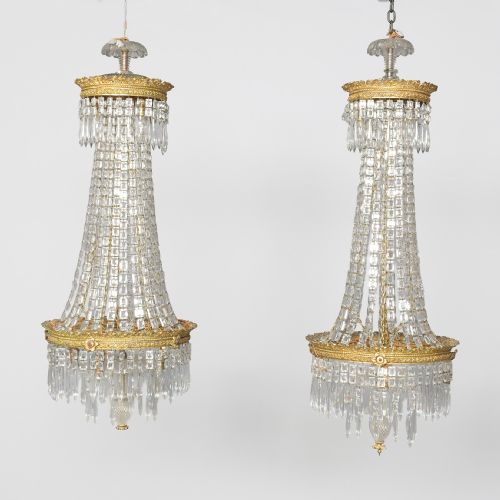
- A lighting form where strings of small crystals rise from a central ring up to a crown, forming a tent-like canopy over the light source below.
- Ormolu
- A technique involving the application of finely ground high-carat gold to a bronze object. This finish provided a rich, durable lustre on period metalwork.
- Montgolfier
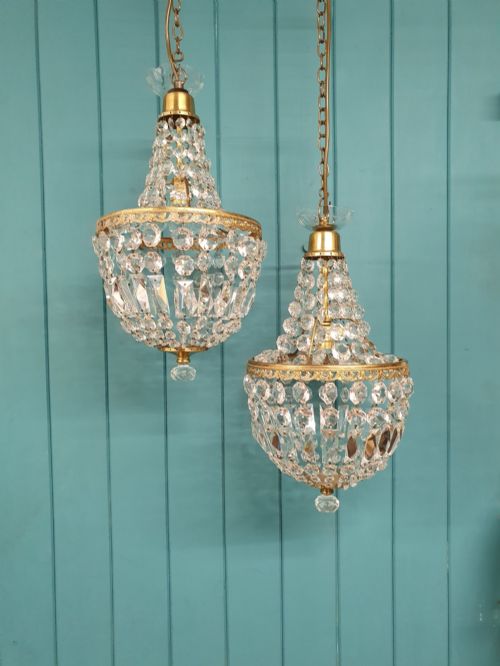
- A style of chandelier or wall light shaped similarly to a hot air balloon, characterised by a rounded cage of metal straps enclosing the internal candles or bulbs.
Pair Crystal Lights: Frequently Asked Questions
How do I choose between wall sconces and chandeliers?
Wall sconces provide secondary accent illumination and work well flanking mirrors or fireplaces to balance a room's lighting scheme. Chandeliers serve as central statement pieces that distribute light downward across a wider floor area.
Selecting between the two depends on ceiling height and the existing architectural focal points of the space. Paired fixtures allow for a symmetrical arrangement that anchors the room's design.
Were these lights originally wired for electricity?
Most pieces originating from the nineteenth and early twentieth centuries were initially designed for candles or gas before later conversion to electricity. Surviving examples often show evidence of rewiring to meet modern safety standards while retaining their historic metal and crystal components.
When living with these items, professional installation ensures the weight of the metal and crystal frame is supported securely. Many fixtures are adapted to accept standard candle-style bulbs that complement the historic silhouette.
What defines Edwardian crystal lighting?
Edwardian pieces often embrace lighter, more refined proportions compared to heavy Victorian designs, drawing on neoclassical and revival aesthetics. They frequently utilise brass frames paired with clear cut glass drops to maximise brightness in domestic interiors.
Common forms from this period include spike wall lights and streamlined chandeliers that balance decorative detail with functional clarity.
How should I clean crystal drops on antique lights?
Maintenance involves gentle cleaning using a mild solution and a soft cloth to preserve the finish of both the crystal and the gilt metalwork. Dismantling pendants individually allows for thorough cleaning without stressing the structural wire connections.
Regular dusting prevents grime accumulation that dulls the reflective facets of the glass. Care must be taken around older metal platings to avoid abrasive contact.