




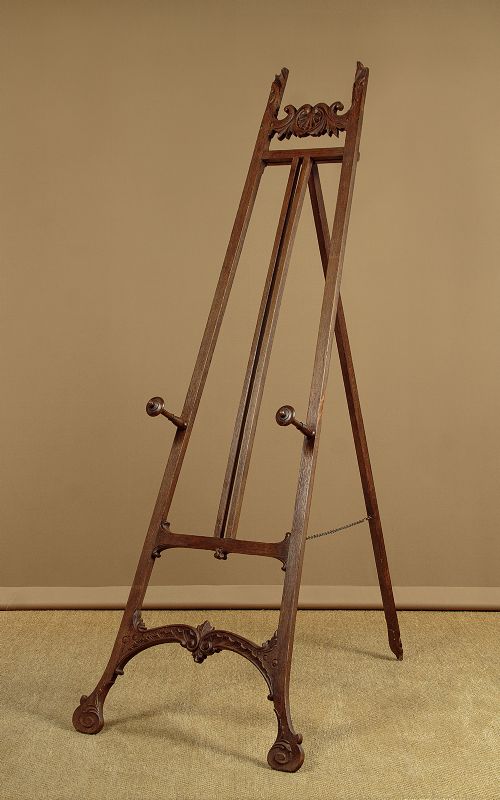


Painting Easel Stand
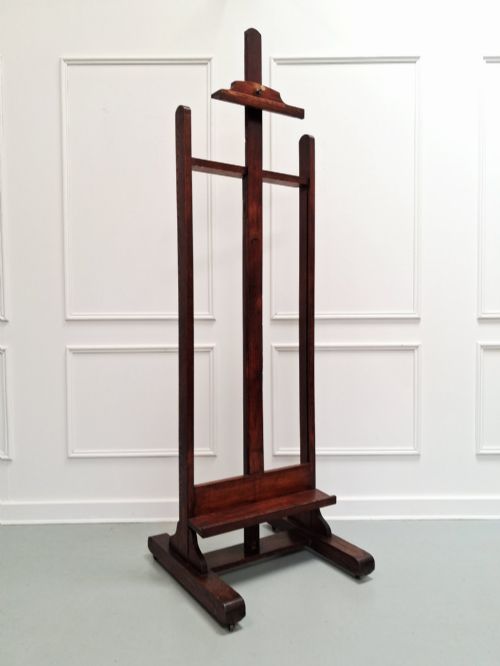
A painting easel stand holds canvases for working artists or displays treasured pictures and folios in a room.
Painting Easel Stand
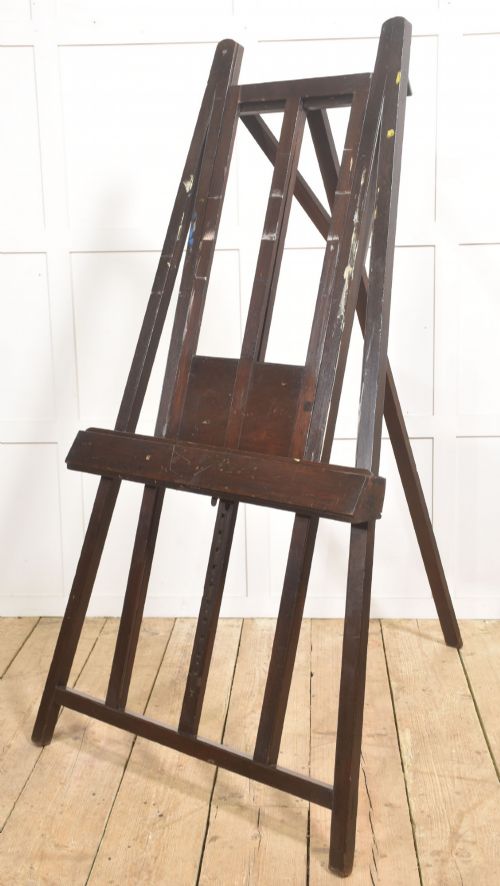
A painting easel stand covers everything from heavy studio models to delicate tabletop display pieces. When searching this phrase, buyers encounter items designed for practical painting work alongside pieces meant purely for presentation.
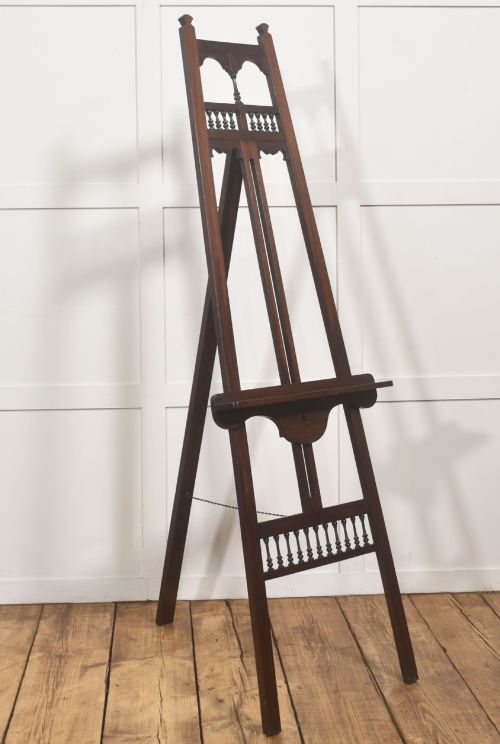
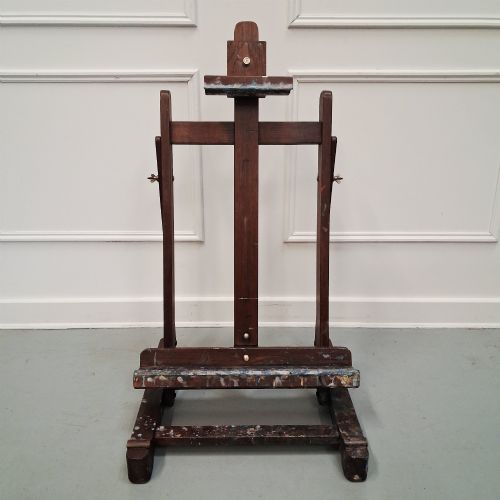
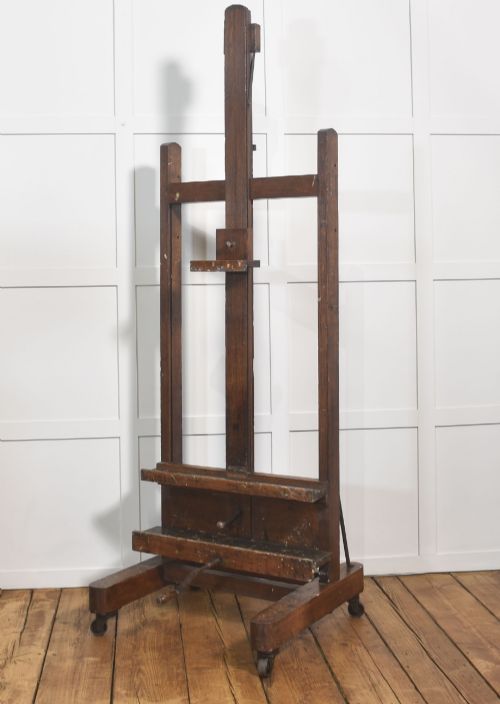
The selection on this page leans heavily towards oak and mahogany examples from the nineteenth century. These range from fully adjustable studio stands to smaller French oak designs and elaborate gallery pieces.
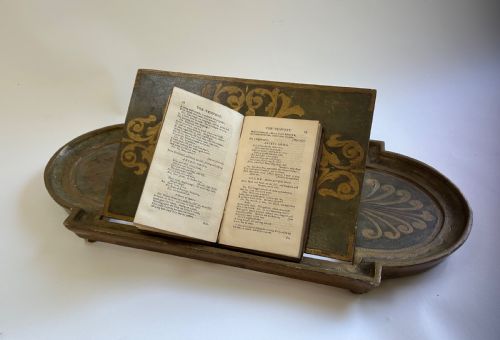
Beyond standard easels, related display items appear frequently under this heading. Book stands, folio racks, and portrait miniature stands share the same mechanical purpose of holding flat works upright for viewing.
Materials and construction methods
Timber selection dictates the character of these stands, with oak and mahogany dominating the larger studio pieces. Workshops also utilised pitch pine, walnut with ivory inlay, and ebonised wood to achieve different decorative effects.
Metal components play a crucial functional role in adjustable studio stands. Brass winding mechanisms, iron brackets, and cast iron fittings allow artists to alter height and angle with precision.
Surface treatments vary according to the period and style of the piece. Finish options include polished mahogany, carved eastern woodwork, ebonised surfaces, and occasional touches of gold leaf.
Painting Easel Stand Retail Price Guide 2026
Typical asking prices for painting easel stand among the pieces listed under this phrase on Sellingantiques today, from the lower quarter to the upper quarter. They describe what is for sale here now, not the wider market.
French provincial and Victorian styles dominate the designs, alongside specialised items like architectural folio racks.
Distinctions in quality and execution
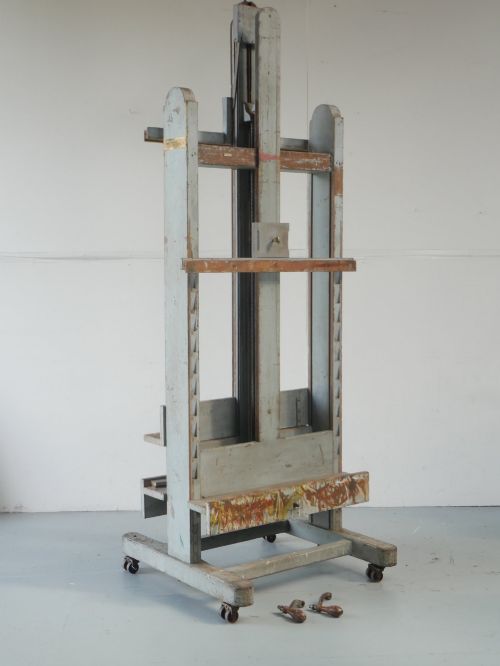
Mechanical complexity separates standard display items from professional studio equipment. The presence of smooth, fully adjustable winding gear and robust framing indicates a piece built for heavy daily use by a working artist.
Material selection and decorative detail reveal the ambition of the maker. Simple functional pine contrasts with finely figured mahogany, intricate carving, and specialised inlays such as ivory or ebonised detailing.
Reeves & Sons London
The Painting Easel Stand Glossary
- Gallery easel
- A double-sided display stand intended for viewing artwork in a commercial or domestic setting. These often feature heavier bases to support large framed canvases.
- Studio easel
- A large, robust stand built for the practical needs of a working artist. They typically incorporate mechanical adjustment handles and heavy timber framing.
- Folio stand
- A low rack designed to hold large portfolios of loose prints, drawings, or architectural plans. They use folding wooden frames to keep paper collections accessible.
- Ebonised wood
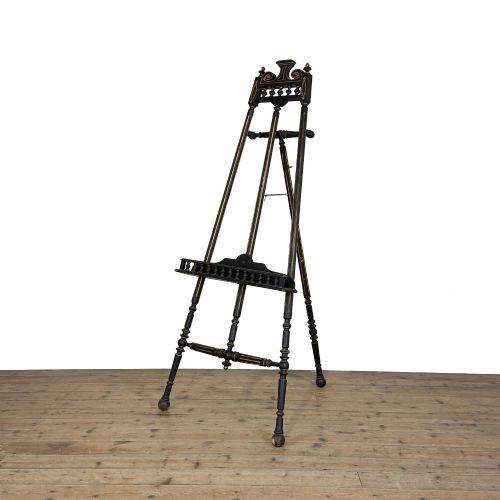
- Timber treated to resemble heavy ebony through staining or painting. This finish gained popularity during the Victorian era, particularly within the Aesthetic Movement.
Painting Easel Stand: Frequently Asked Questions
What is the difference between a studio easel and a display easel?
Studio easels are heavy, functional pieces built with adjustable mechanisms to support a working canvas at various heights and angles. They prioritize mechanical utility and stability over decorative flourish.
Display easels are lighter structures intended to showcase finished artwork, books, or plaques in a room. They often feature finer carving or materials like brass and ebonised wood rather than heavy structural framing.
How do I identify a Victorian easel?
Victorian stands often feature dark woods such as mahogany or ebonised finishes, sometimes incorporating bamboo or elaborate turned columns. The hardware typically consists of cast iron or brass winding keys characteristic of nineteenth-century manufacturing.
Construction methods from this era rely on solid timber joints and mechanical ratchets designed for heavy studio use. Checking the joinery and metal components helps confirm the nineteenth-century origin.
Can these stands hold modern paintings?
Most antique studio stands offer robust oak or mahogany frames capable of supporting standard stretched canvases safely. Fully adjustable models provide the same height and tilt controls required by painters today.
Lighter display versions require more care regarding weight distribution. Buyers should check the ledge depth and overall frame stability before mounting heavy contemporary works.
What materials were commonly used?
Oak and mahogany form the structural backbone of the majority of these pieces, providing the strength needed for large frames. Pitch pine and walnut also appear regularly in French and English examples.
Metal elements such as brass, iron, and cast iron appear on adjustable models for winding handles and brackets. Decorative pieces occasionally introduce ivory inlay or gold leaf highlights.