


Painted Wooden Furniture
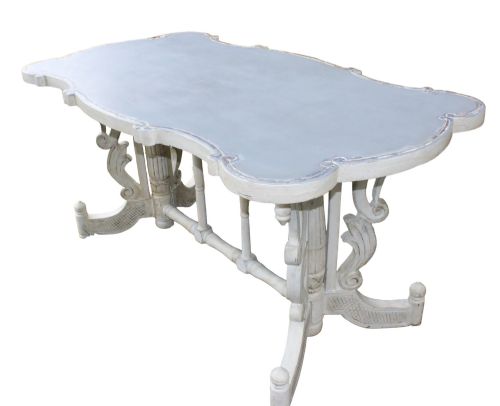
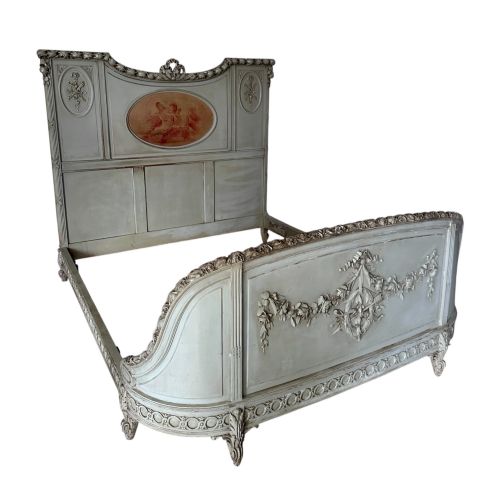
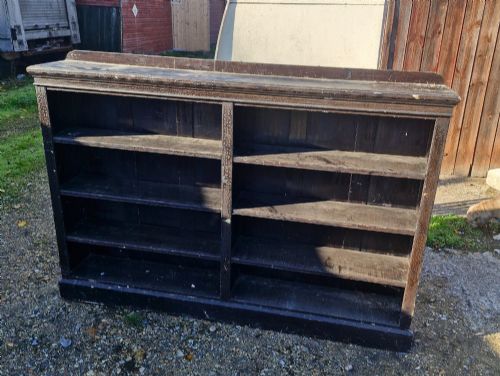
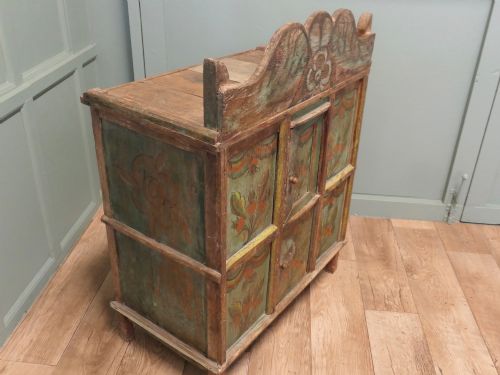
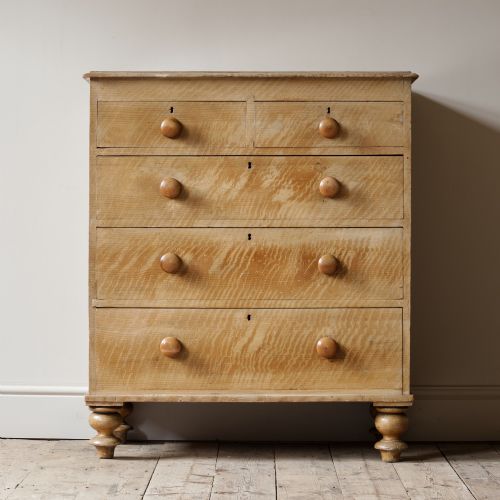
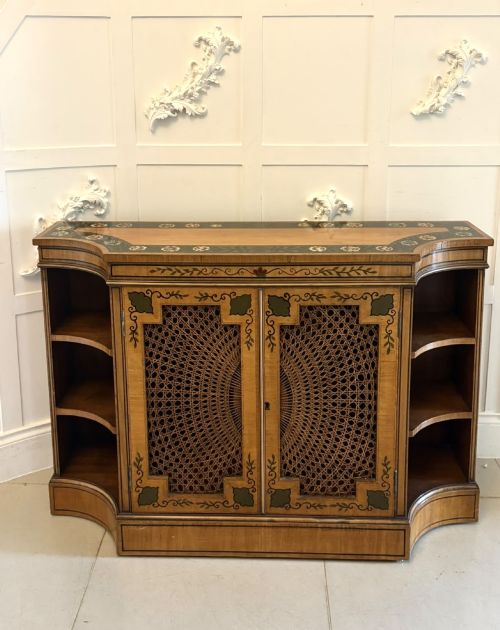
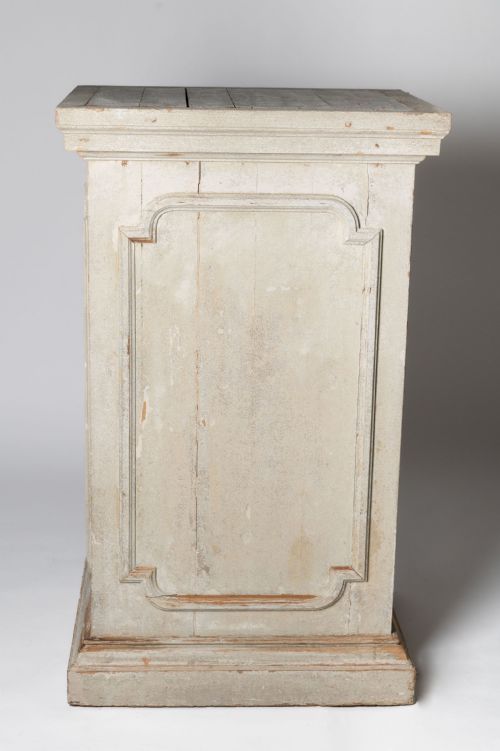
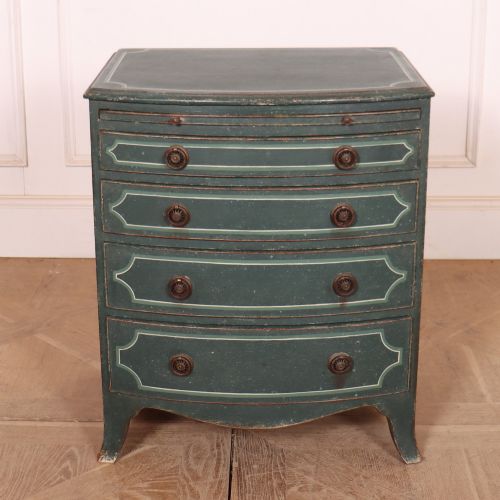
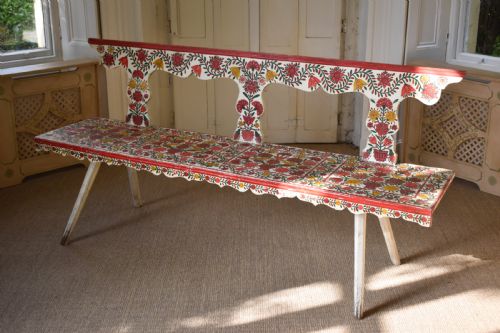
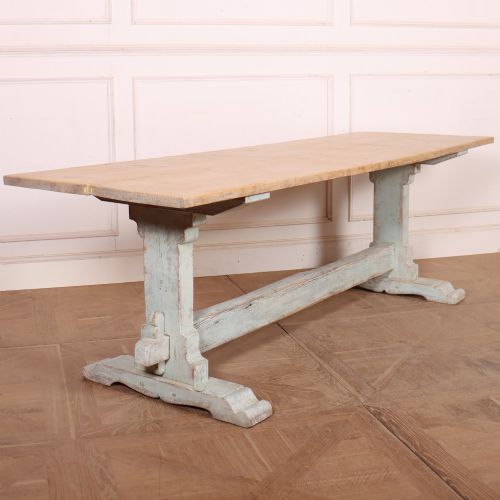
These pieces of painted wooden furniture bring character to a room through diverse finishes applied to pine, oak, satinwood, and iron.
Painted Wooden Furniture
Painted wooden furniture covers a broad span of practical domestic and garden forms, ranging from storage chests of drawers and commodes to seating, tables, and desks. Buyers searching for painted wooden furniture encounter items built across several centuries, with the nineteenth century heavily represented.
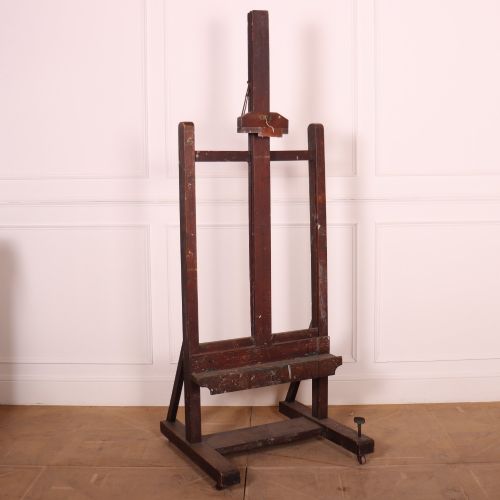
Domestic pieces on this page include dressers, wardrobes, side tables, and cabinets originating from various European regions and China. Alongside indoor items, the selection contains garden benches and easels constructed from wood and iron.
The aesthetic traditions vary from British and Irish vernacular designs to Scandinavian country styles, French commodes, Spanish cupboards, and Chinese lacquer work. Folk art and Arts and Crafts examples also appear frequently within the inventory.
Materials and construction methods
Makers utilised solid timbers such as pine, oak, pitch pine, and satinwood to construct the foundational carcases and frames of these items. Iron and brass components appear on specific pieces like garden benches, campaign chests, and tables to provide structural support or functional hardware.
Surface finishes rely heavily on paint, lacquer, and polychrome decoration applied directly to the wood. Original naïve paintwork, ebonisation, and faux bamboo effects demonstrate the diverse decorative techniques employed by makers across different periods.
Painted Wooden Furniture Retail Price Guide 2026
Typical asking prices for painted wooden furniture among the pieces listed under this phrase on Sellingantiques today, from the lower quarter to the upper quarter. They describe what is for sale here now, not the wider market.
A late Victorian elephant table arrives complete with painted wooden tusks.
Distinctions in quality
The distinction between items rests in the survival and integrity of the original surface decoration. Pieces retaining authentic early paintwork or traditional lacquer distinguish themselves from later repainted surfaces.
Construction standards, from dovetail joints in chests of drawers to the complexity of carved details on armorial chairs and cabinets, define the standard of the manufacture. The provenance and regional specificity of vernacular pieces further influence their standing.
Sir Clough Williams-Ellis·G & J Lines of London
The Painted Wooden Furniture Glossary
- Commode
- A low cabinet or chest of drawers, often standing on legs, popular in French and continental furnishing. These pieces typically feature painted or polished exterior surfaces.
- Dresser base
- The lower section of a kitchen or dining room storage unit, often fitted with drawers and a potboard shelf below. Scottish and regional examples frequently utilise solid timber construction.
- Lacquer
- A durable resin finish applied in multiple layers to furniture surfaces, characteristic of Chinese cabinets and low tables. This technique creates a smooth, glossy protective coating.
- Polychrome
- Painted in several colours, a technique seen on Spanish cupboards and housekeepers' furniture. This method enhances the decorative impact of structural woodwork.
- Satinwood
- A durable hardwood with a natural golden sheen, used by Edwardian cabinet makers for wardrobes, armchairs, and tables. It often serves as a canvas for painted details.
Painted Wooden Furniture: Frequently Asked Questions
What periods do these pieces come from?
The inventory spans multiple centuries, with items originating from the seventeenth, eighteenth, nineteenth, and early twentieth centuries.
Specific eras represented include the Georgian period, the Victorian era, the Edwardian period, and the 1920s.
How do I identify original paint?
Original finishes show natural wear patterns, craquelure, and integration with the underlying timber over time. Naïve paintwork and early surfaces often exhibit distinct ageing consistent with the date of manufacture.
Layers applied at later dates tend to obscure the texture of the wood and show different chemical compositions under close inspection.
Where were these items made?
The pieces originate from diverse geographic locations, reflecting distinct regional workshops and national styles. British, Irish, French, Spanish, Italian, Swedish, Austrian, and Chinese origins all appear in the records.
Country styles range from Scandinavian folk art to English vernacular furniture.
What wood types are used?
Makers constructed these items from native and imported timbers suited to the function of the object. Common woods include pine, oak, pitch pine, and satinwood.
Some pieces incorporate secondary materials like iron and brass for hardware or structural frames.