



Painted Wooden Daybed
These painted wooden daybed examples combine historic timber forms with decorative colour finishes, offering both practical lounging and traditional charm for an interior.
Painted Wooden Daybed
A painted wooden daybed brings together historic seating and sleeping forms created from timber and finished with decorative surface colour. When searching for a painted wooden daybed, buyers encounter diverse iterations spanning centuries of craftsmanship.
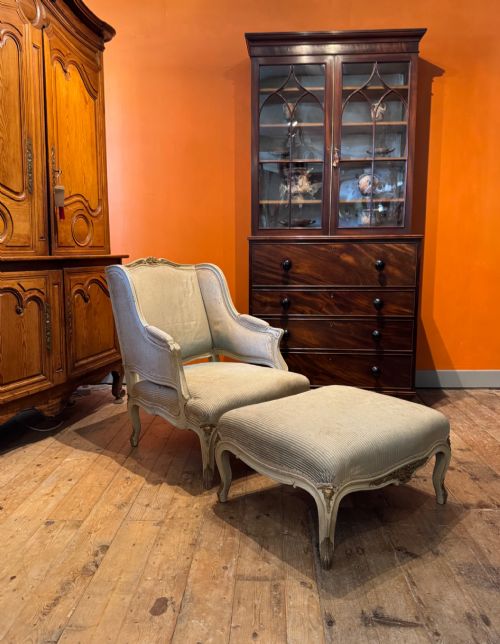
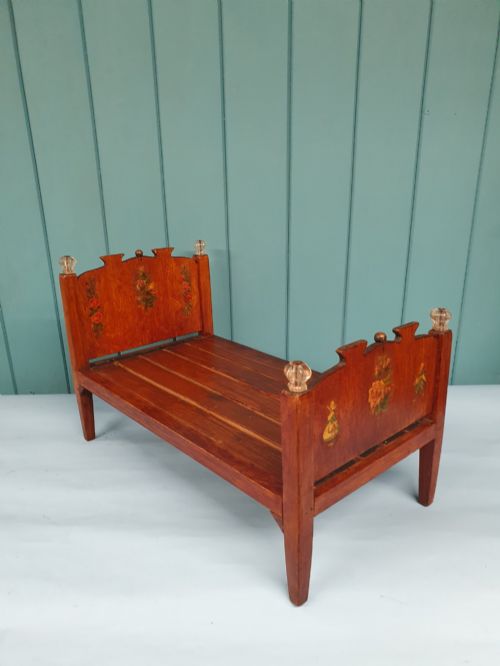
The available selection includes Swedish settees and settle benches from the eighteenth and nineteenth centuries, alongside miniature dolls house child toy beds and Victorian pine children's beds. Pieces emerge from distinct regional traditions such as Gustavian, Italian Rococo, French Louis XV style, and Scandinavian country folk art.
Forms vary significantly across the listings, ranging from full-sized settle benches and sofas to low stools, long stools, and miniature furniture. Materials frequently combine pine, beech, and wood with applied paint, fabric, cane, and glass elements.
How they were made
Construction relies primarily on native timbers such as pine and beech, shaped into structural frames for benches, settees, and beds. Joinery techniques reflect the period of origin, supporting everyday utility through sturdy wooden construction.
Surfaces are finished with paint, preserving underlying timber while adding decorative colour that defines regional styles like Swedish Gustavian and French Louis XV. Additional detailing incorporates fabric upholstery, woven cane panels, and glass components where appropriate to the specific form.
Painted Wooden Daybed Retail Price Guide 2026
Typical asking prices for painted wooden daybed among the pieces listed under this phrase on Sellingantiques today, from the lower quarter to the upper quarter. They describe what is for sale here now, not the wider market.
The listings feature pieces spanning the eighteenth century, the nineteenth century, and the 1880s, 1890s, 1900, and 1930.
What varies in quality
Quality rests upon the integrity of the original timber frame and the preservation of historic paint surfaces. Pieces retaining their original decorative finish command greater interest from collectors seeking uncompromised historical authenticity.
Proportion and execution distinguish regional vernacular pieces from grander stylistic interpretations like Italian Rococo or French Louis XVI. Finer examples display balanced proportions in turned or carved wooden elements, whereas simpler folk art items prioritize utilitarian robustness.
The Painted Wooden Daybed Glossary
- Gustavian
- A Swedish neoclassical design style characterised by restrained classical motifs and pale painted finishes. This aesthetic emerged during the late eighteenth century under King Gustav III.
- Settle bench
- A traditional wooden seat featuring high backs, solid arms, and enclosed lower storage or bench bases. These pieces provided protection from drafts in historic interiors.
- Duchesse brisée
- A French chaise longue split into two or three parts comprising an armchair and one or two footstools. The name translates literally to broken duchess.
- Folk art
- Utilitarian and decorative objects created by self-taught or rural artisans using traditional local methods. These items reflect regional cultural heritage rather than academic design canons.
- Bergère
- An enclosed upholstered armchair with wooden frames visible around the padded elements. Originating in France, this seating form prioritised comfortable domestic lounging.
Painted Wooden Daybed: Frequently Asked Questions
What is a painted wooden daybed?
A painted wooden daybed is a historic seating or reclining furniture piece constructed from timber and finished with a decorative coat of paint. These items encompass regional forms like Swedish settle benches, French chaise longues, and Victorian pine children's beds.
Such furniture serves both functional lounging purposes and decorative interior roles. They bridge the gap between seating and sleeping furniture through diverse historic traditions.
How do I date a painted wooden daybed?
Dating relies on examining structural joinery, timber selection, and stylistic markers consistent with periods like the eighteenth century or Victorian era. Regional traits, such as Gustavian neoclassical lines or Scandinavian country folk art, provide additional chronological clues.
Paint analysis also assists in establishing age, as original pigment layers exhibit wear patterns and chemical compositions specific to their era. Comparing construction methods with documented historical examples confirms the likely period of manufacture.
Where were painted wooden daybeds made?
These pieces originate from various European workshops and rural communities, notably in Sweden, France, and Italy. Each region developed distinct aesthetic preferences, from Scandinavian painted settles to ornate French Louis XV style frames.
Local timber availability dictated whether makers utilised native pine or beech. Artisans applied regional decorative techniques that reflect the cultural output of specific historic eras.
How do I care for painted wooden daybeds?
Care requires maintaining stable indoor humidity levels to prevent timber movement and cracking in the wooden structure. Avoid placing historic painted furniture in direct sunlight to protect the original pigment from fading.
Dust gently with a dry or slightly damp cloth without applying harsh chemical polishes that might damage aged paint surfaces. Periodic inspection of structural joints ensures stability is preserved during everyday use.