



Painted Tin Decor
Painted tin decor encompasses hand-finished metal objects and glazed earthenwares that bring colour and historic character into domestic spaces.
Painted Tin Decor
Buyers frequently encounter nineteenth-century toleware trays and tea tins alongside Dutch delft plates and French faience vessels. These objects combine utilitarian beginnings with decorative hand-painted surfaces, offering tangible links to past trades and households.
How they were made
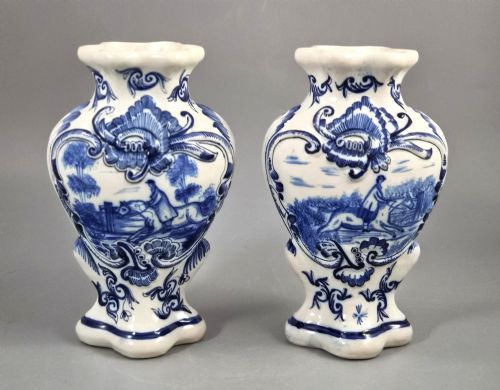
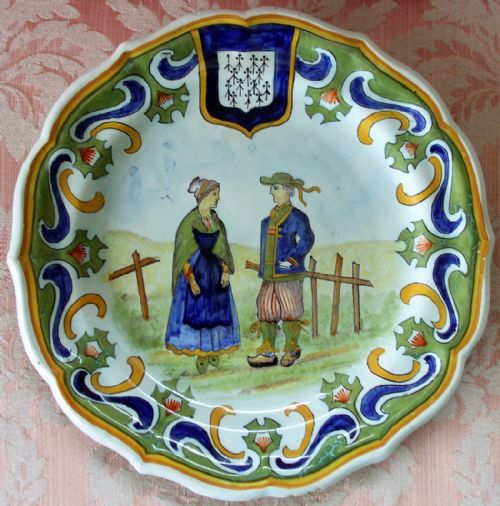
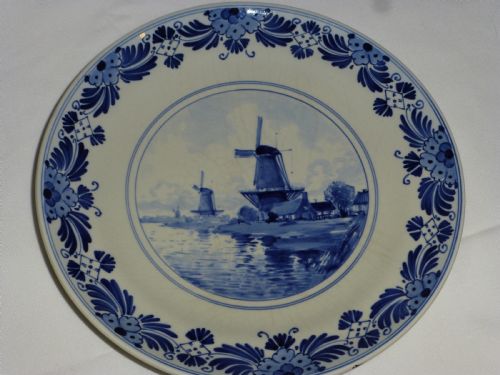
Tin-glazed earthenware and faience pieces rely on a ceramic base coated with an opaque tin glaze, which provides a smooth white background for blue and white or polychrome pigments. Artisans applied these mineral colours directly onto the unfired or fired glaze before a final kiln firing.
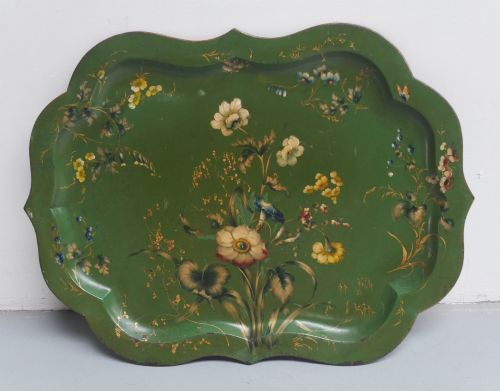
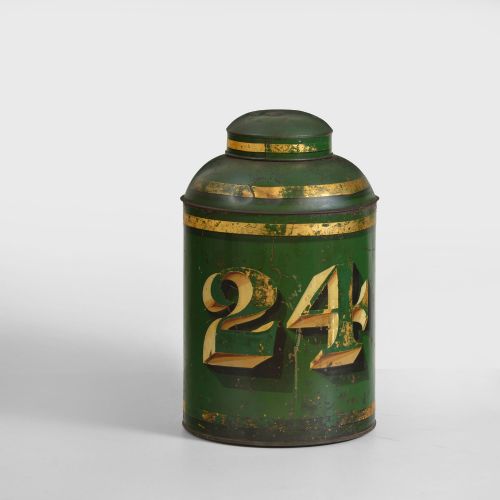
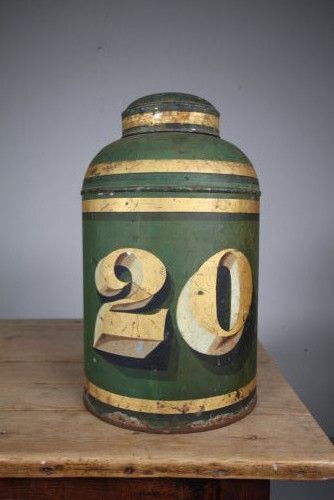
Toleware objects start as sheet iron or tin plates shaped into bowls, trays, and trade signs, then coated in protective dark paints or japanning. Craftsmen often enhanced these metal surfaces with hand-painted floral motifs or gold leaf detailing.
Painted Tin Decor Retail Price Guide 2026
Typical asking prices for painted tin decor among the pieces listed under this phrase on Sellingantiques today, from the lower quarter to the upper quarter. They describe what is for sale here now, not the wider market.
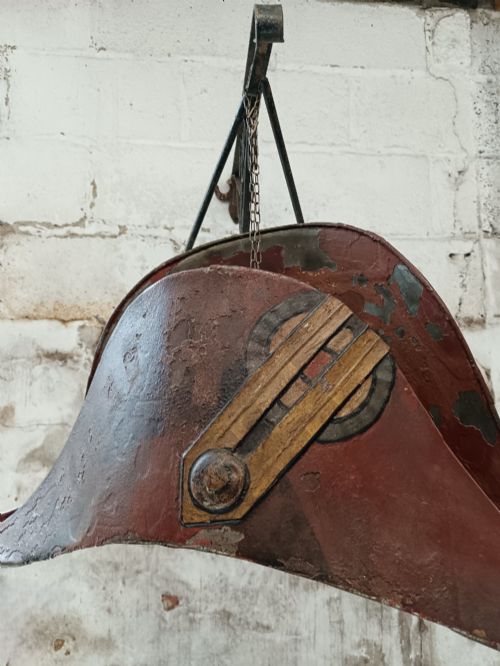
A solitary bicorn hat shape once hung outside to signal a Hatter's trade to literate and illiterate alike.
What varies in quality
The precision and hand of the brushwork largely determine the distinction between ordinary utility items and superior decorative examples. Crisp, confident painting on ceramics or tin plate denotes skilled workshop production rather than mass output.
The survival of original surface decoration, including early paint layers and gilding, heavily influences the integrity of each piece. Minimal restoration and honest wear preserve the historical character intended by the original maker.
Fourmaintraux Courquin
The Painted Tin Decor Glossary
- Toleware
- Painted or japanned metalware, typically sheet iron, made to imitate more expensive lacquerware from the eighteenth and nineteenth centuries. These pieces range from household tea canisters to trade signs.
- Faience
- European tin-glazed earthenware, particularly of French or Dutch origin, noted for its decorated surface. The technique creates a dense white canvas for hand-painted designs.
- Delftware
- Tin-glazed earthenware produced in the Netherlands, famous for its blue and white decoration influenced by imported Chinese porcelain. Production includes plates, chargers, and desktop inkwells.
- Japanning
- A type of European varnish finish that imitated East Asian lacquer work, often applied to metal items. This glossy coating protected the underlying tin or iron surface.
Painted Tin Decor: Frequently Asked Questions
What is toleware?
Toleware refers to metal objects, usually made from sheet iron or tin, that have been painted or lacquered for decorative use. These items include tea canisters, trays, and trade signs found in period interiors.
Craftsmen shaped the metal before applying dark grounds and hand-painted details, often incorporating floral motifs or gold leaf to elevate simple domestic wares.
How do I clean painted tin decor?
Painted tin and fragile glazed surfaces require gentle dusting with a soft, dry cloth rather than liquid cleaners. Moisture can lift old paint layers and damage delicate metal grounds.
Keeping these objects away from direct sunlight and damp environments helps preserve the original pigments and prevents corrosion on the iron substrate.
How do I tell delftware from faience?
Delftware specifically describes tin-glazed earthenware made in Dutch workshops, traditionally recognised by its blue and white palette or Chinoiserie scenes. Faience is the broader French and continental term for similar tin-glazed pottery.
Both types share a porous ceramic body covered in an opaque white glaze, though regional painting styles and clay bodies help distinguish their exact origins.
Are trade signs original?
Trade signs served functional purposes outside shops and businesses, resulting in weathered surfaces and robust construction from materials like sheet iron and tin. Their survival depends on how long they remained exposed to the elements.
Examining the paint layers and metal backing helps determine whether the lettering and imagery date from the period of manufacture.