



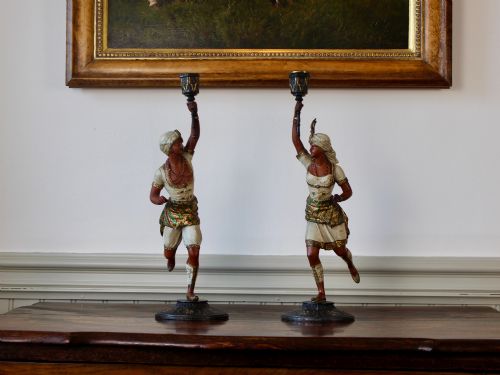


Painted Spelter Figures
Painted spelter figures bring accessible sculptural charm to a room, offering expressive forms from the Victorian era to the Art Deco period.
Painted Spelter Figures
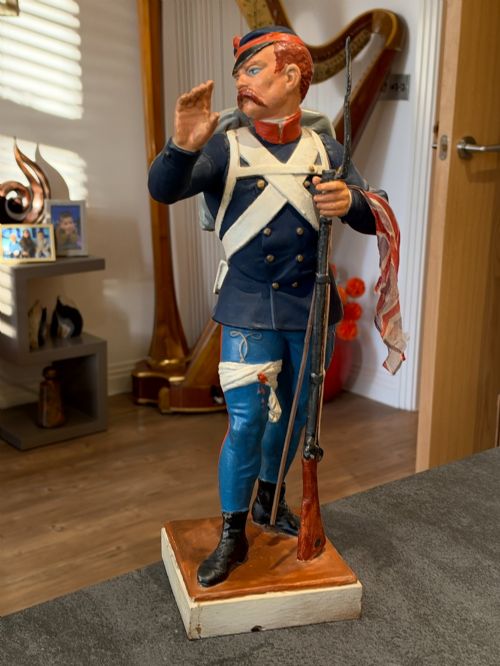
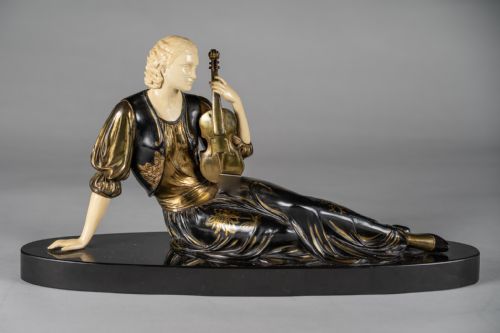
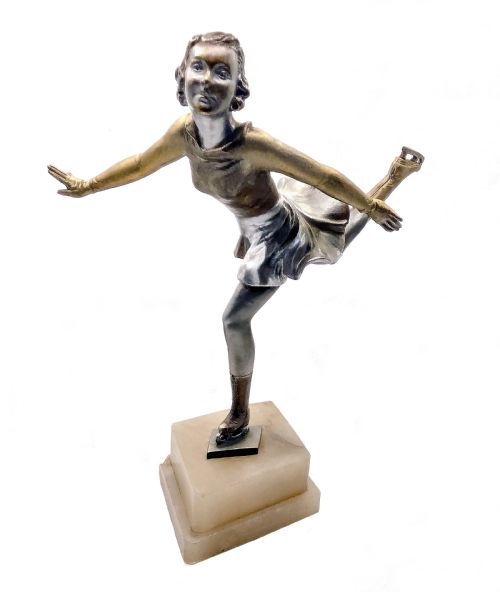
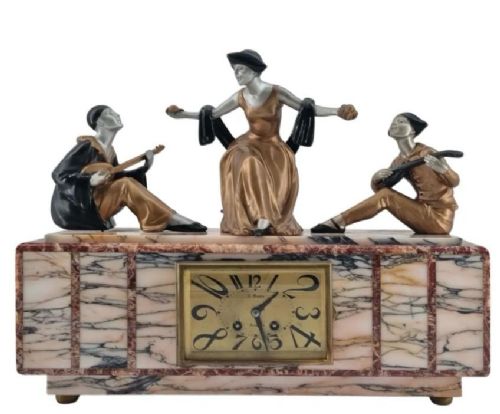
Painted spelter figures encompass a diverse range of decorative objects, from standalone statues and figurines to functional items like table lamps, mantel clocks, candlesticks, and match strikers. When searching for painted spelter figures, buyers frequently encounter pieces created during the Art Deco period, alongside Victorian and Edwardian examples spanning the late nineteenth and early twentieth centuries.
The sculptural forms vary widely in subject matter, taking shape as dancers, ice skaters, pierrots, animals, and Orientalist or Neoclassical subjects. Many of these figures are mounted onto solid bases made of marble or onyx, elevating their presence as decorative mantel and table ornaments.
Materials and construction methods
Spelter, a zinc-based alloy often cast as a cheaper alternative to bronze, forms the primary body of these sculptures. Makers poured the cast metal into moulds to capture fine details before finishing the surfaces.
Applied paint and cold painting techniques added colour and surface detail to the metalwork. These figures were frequently paired with bases of marble, onyx, brass, and glass to complete the composition.
Painted Spelter Figures Retail Price Guide 2026
Typical asking prices for painted spelter figures among the pieces listed under this phrase on Sellingantiques today, from the lower quarter to the upper quarter. They describe what is for sale here now, not the wider market.
Materials commonly paired with the cast metal include marble, onyx, brass, and glass.
Assessing quality in cast metal pieces
The refinement of the casting and the crispness of the surface detail distinguish superior pieces from simpler productions. Better examples retain more of their original polychrome or cold painted finishes with minimal flaking.
The integration of the figure with its base, particularly on heavy stone mounts like marble and onyx, contributes to the overall stability and presence of the decorative object.
L & F Moreau·Sega·Josef Lorenzl·Geo Maxim
The Painted Spelter Figures Glossary
- Spelter
- A zinc alloy commonly utilised in the nineteenth and twentieth centuries for casting decorative sculptures and lamps. It is lighter and softer than bronze.
- Cold painted
- A method of applying non-fired paint to metal objects after casting. This technique was widely used on decorative figures to provide surface colour.
- Onyx
- A banded stone variety frequently utilised for the heavy bases of Art Deco and turn-of-the-century sculptures. It provides a contrasting foundation to the metal figure.
- Match striker
- A functional household accessory designed with a rough surface for igniting matches. These were often incorporated into figural desk ornaments.
Painted Spelter Figures: Frequently Asked Questions
What is spelter?
Spelter is a zinc-based metal alloy that was popular for manufacturing decorative sculptures, lamps, and clocks during the Victorian and Art Deco periods.
It served as an economical alternative to bronze, allowing makers to produce detailed figures for everyday homes.
How do I care for painted surfaces?
Painted spelter figures require gentle dusting with a soft, dry cloth to protect the delicate surface layers.
Moisture and harsh cleaning agents should be avoided to prevent the cold painted finish from lifting or flaking.
Are these figures mounted on stone?
Many examples, particularly those from the Art Deco period, are secured onto bases made of marble or onyx.
These heavy stone mounts provide structural stability and add a contrasting visual weight to the metallic sculpture above.
How are different periods identified?
Stylistic cues such as streamlined geometric forms indicate Art Deco origins, while ornate drapery or classical motifs point toward Victorian or Edwardian eras.
The materials used for the bases and the nature of the painted finish also offer clues to the date of manufacture.