



Painted Shop Sign
A painted shop sign brings tangible commerce and bold typography directly into domestic interiors.
Painted Shop Sign
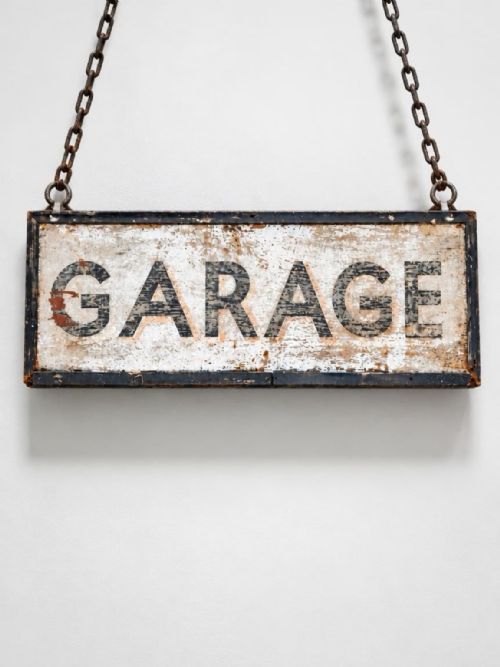
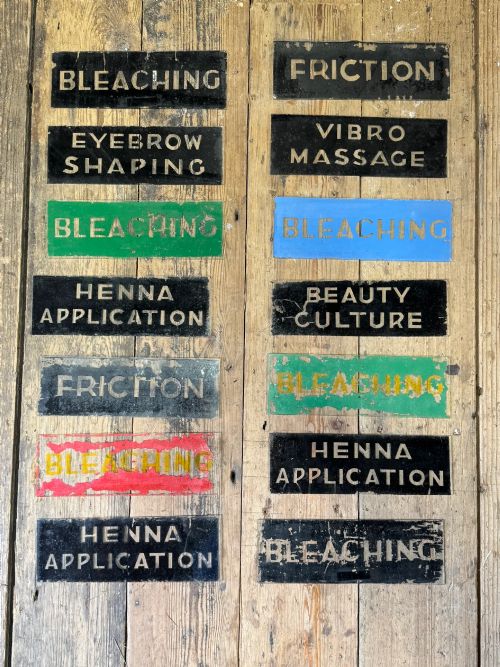
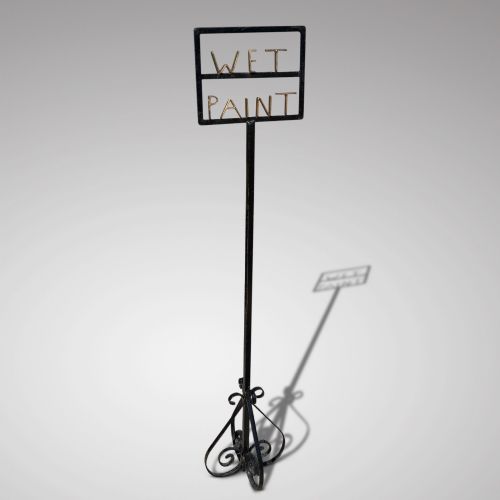
A painted shop sign represents the physical heritage of historic trade, carrying the names of butchers, dentists, milliners, and merchants across wood, glass, and metal. These objects span periods from the eighteenth century through the Edwardian era and the 1930s, reflecting the commercial streetscapes of Britain, France, and beyond.
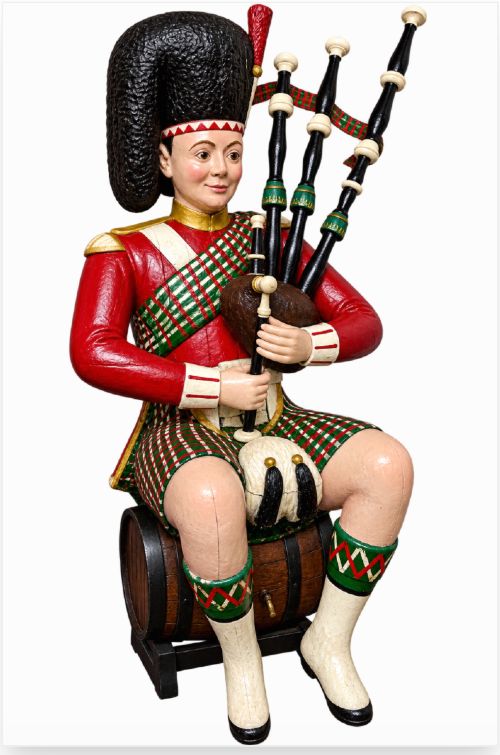
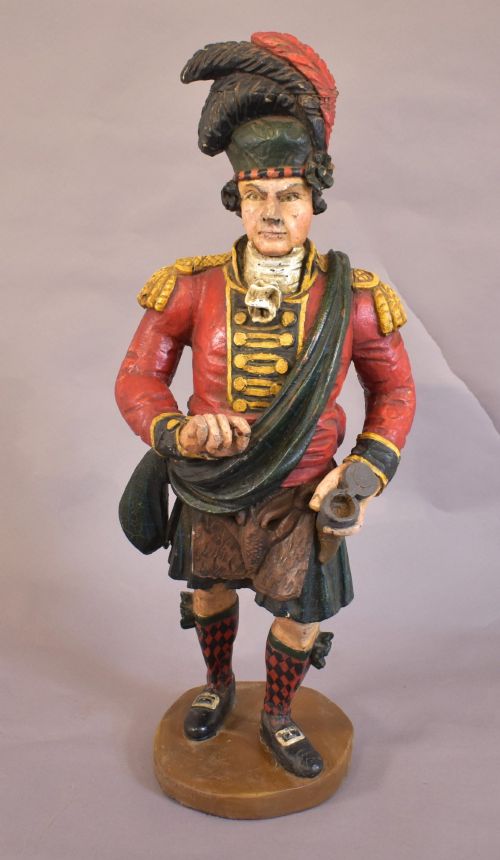
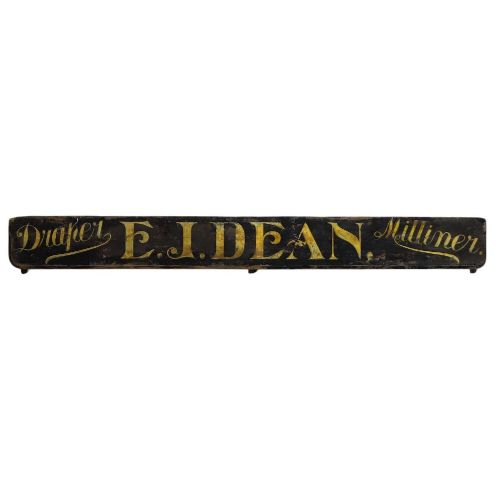
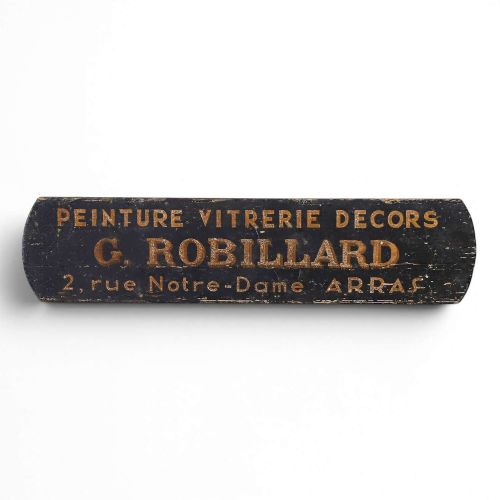
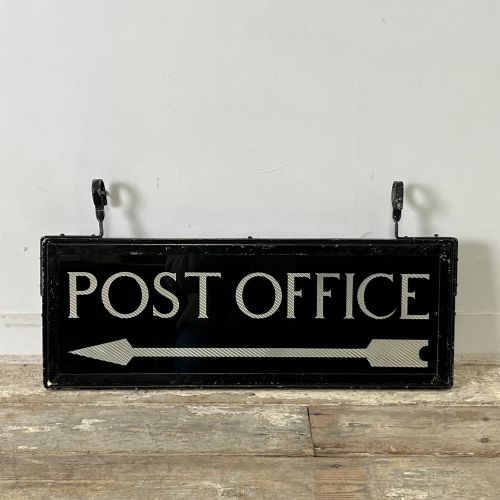
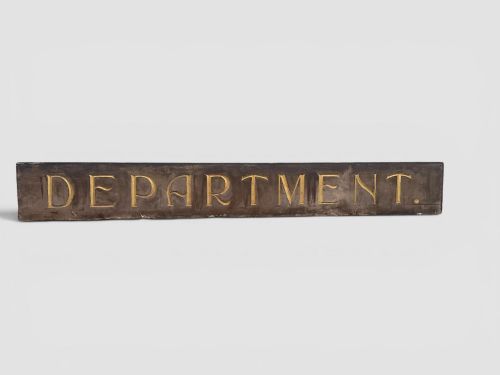
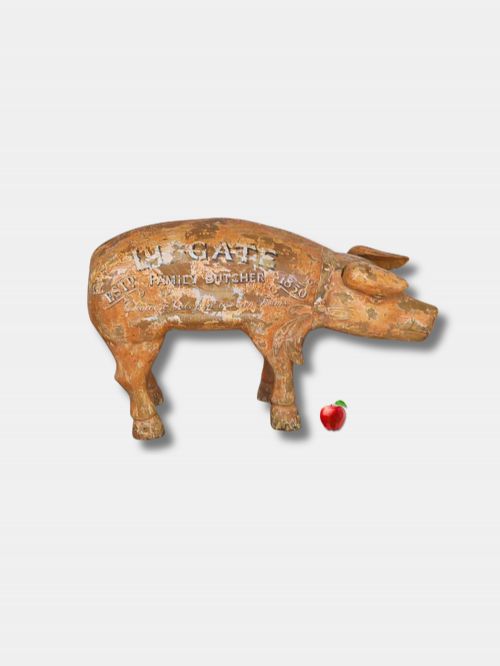
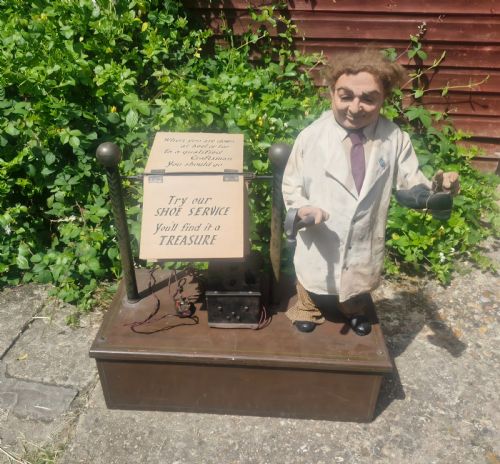
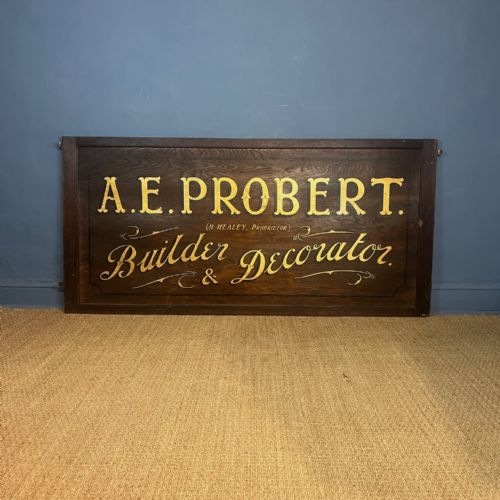
The most common formats encountered on this page include wall-mounted timber boards, reverse-painted glass panels, and substantial trade figures or display models such as carved animals and tobacconist figures. Whether advertising a specific local family butcher or directing customers in a post office, each piece bears the marks of functional commercial use.
Materials and construction methods
Makers utilised timber such as pine and mahogany as a base for hand-painted lettering, sign-writing, and gilding with gold leaf. Wood signs frequently show the weathering of outdoor exposure or the protected wear of interior shop walls.
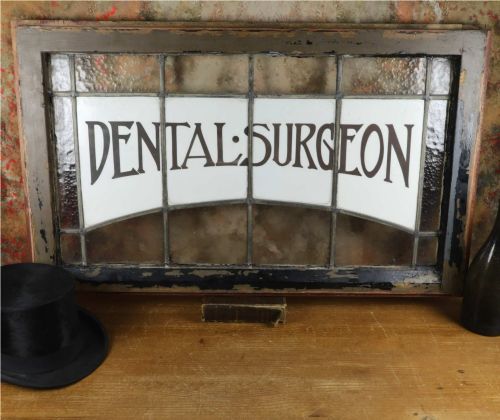
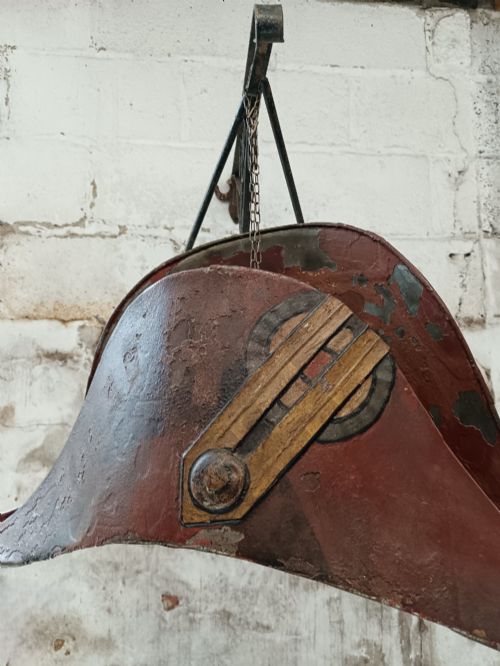
Glass techniques include reverse-painting and cut-glass window panels, often framed in original wood or metal structures. Sheet metal, wrought iron, and toleware provide durable surfaces for painted advertising, complemented by composition and carved wooden display models.
Painted Shop Sign Retail Price Guide 2026
Typical asking prices for painted shop sign among the pieces listed under this phrase on Sellingantiques today, from the lower quarter to the upper quarter. They describe what is for sale here now, not the wider market.
A life-size composition fox terrier once barked silent warnings from a shop floor.
Assessing quality in commercial signage
Quality rests in the crispness of the original sign-writing, the legibility of the typography, and the survival of the untouched painted surface. Signs retaining their original wooden frames or specific trade attributions carry stronger historical character.
The depth of artistry in pictorial elements - such as hand-painted figures, gold leaf detailing, and reverse glass execution - distinguishes standard utility boards from exceptional examples of folk art and commercial design.
The Painted Shop Sign Glossary
- Sign-writing
- The professional craft of painting letters and commercial graphics by hand onto boards, glass, or walls. Skilled sign-writers used specialised brushes to achieve precise serifs and balanced layouts.
- Reverse-painted glass
- A technique where paint and gold leaf are applied to the back of a glass panel so the image reads correctly and with high gloss from the front. This method was widely used for interior pharmacy, dentist, and boutique windows.
- Toleware
- Lacquered or enamelled sheet metal items produced for domestic and commercial settings. In signage, it provides a lightweight, durable surface that holds painted details well.
- Trade figure
- A three-dimensional carving, model, or composition sculpture placed outside or inside a shop to advertise its wares. Examples include Highlanders, animals, and oversized representations of goods like loaves of bread.
- Gold leaf
- Extremely thin sheets of beaten gold applied to wood or glass lettering to catch the light and provide a durable, weather-resistant metallic finish.
Painted Shop Sign: Frequently Asked Questions
How were painted shop signs displayed?
Historic signs were mounted directly onto exterior shop facades, hung perpendicular from iron brackets above the pavement, or positioned inside windows to attract passing foot traffic.
Smaller glass panels and mirrors were typically integrated into interior partition walls or hung behind counters in places like post offices and barbershops.
Can I hang a heavy wooden sign on an interior wall?
Many larger timber signs and department store boards carry significant weight, often incorporating structural wooden battens or iron brackets from their original installations.
Secure mounting into wall studs or masonry is essential to support the load safely within a domestic setting.
How do I care for antique glass signs?
Reverse-painted glass and advertising mirrors require gentle cleaning with a soft, dry cloth to avoid disturbing fragile pigments or flaking paint on the rear surface.
Keep them away from direct sunlight and moisture to prevent further degradation of the historic backing materials.
How are different periods distinguished?
Victorian and nineteenth-century examples often feature robust pine backing boards with hand-lettered family business names, while Edwardian and 1920s pieces frequently incorporate reverse glass or detailed pictorial trade figures.
Art Deco and 1930s items tend to show streamlined typography, metal construction, and specialised materials like coloured glass.