




Painted Shop Display Cabinet
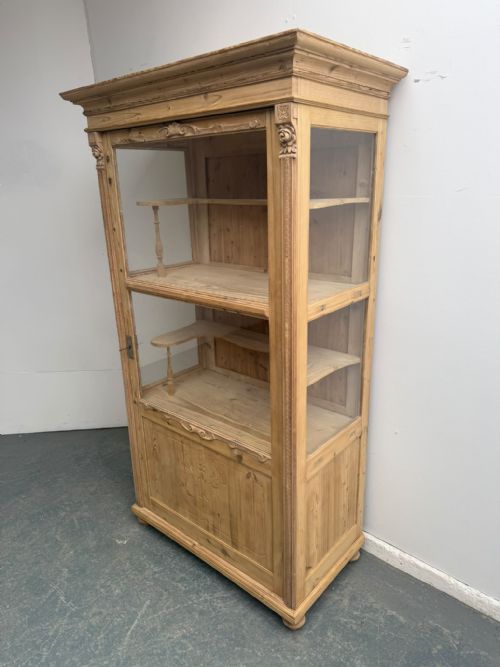
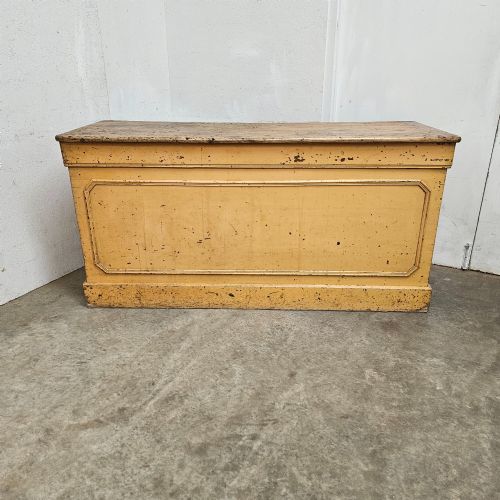
These painted shop display cabinet examples bring authentic commercial character into a home, offering glazed shelving and storage drawn from old retail spaces.
Painted Shop Display Cabinet
When you search for a painted shop display cabinet, you enter a world of utilitarian retail furniture adapted for domestic display and storage. These pieces originate from commercial spaces, ranging from nineteenth-century counters and drawer units to early twentieth-century wall fittings.
The most common versions encountered here are pine fixtures featuring original or distressed painted surfaces, often incorporating glass panels for merchandise visibility. Alongside these stand specialised items like watchmaker cabinets, drapers' chests of drawers, and advertising units.
Their forms reflect genuine working origins, utilising configurations designed to showcase goods or organise small stock. From Hungarian pine multi-drawer fittings to French counters, each piece carries the distinct imprint of nineteenth and early twentieth-century commerce.
How they were made
Makers constructed these commercial fixtures predominantly using pine, oak, and mahogany, chosen for structural endurance in busy retail environments. Workshops fitted these sturdy wooden carcasses with glass panels, brass hardware, and iron components to handle daily customer interaction.
Surfaces received applied paint finishes, frequently seen today as original layered colour, distressed patinas, or hand sign-written details. Cabinet makers built them to practical dimensions, incorporating numerous small drawers, glazed doors, or countertop display areas as commercial utility demanded.
Painted Shop Display Cabinet Retail Price Guide 2026
Typical asking prices for painted shop display cabinet among the pieces listed under this phrase on Sellingantiques today, from the lower quarter to the upper quarter. They describe what is for sale here now, not the wider market.
Thirty-six American shaving mugs once shared a mahogany stand, proving that historical morning routines demanded serious organizational architecture.
What varies in quality
The distinction between standard commercial joinery and finer workshop output lies in the integrity of the original timber and the retention of authentic painted surfaces. Pieces retaining genuine period paintwork and uncompromised glass display compartments command greater interest than later adaptations.
Proportion and specialised hardware also separate everyday utility fittings from more ambitious retail display units. Multi-drawer configurations and intact advertising elements demonstrate the specific commercial ambition behind the original commission.
The Painted Shop Display Cabinet Glossary
- Shop Fitting
- A permanent or semi-permanent fixture installed in a retail premises to display or store goods. These items formed the backbone of nineteenth and twentieth-century shop interiors.
- Distressed Paint
- A surface finish showing age-related wear, chipping, or weathering through layers of historical pigment. This textural quality appeals directly to collectors of industrial and rustic furniture.
- Drapers' Drawers
- A bank of numerous shallow wooden drawers once used in textile shops to sort ribbons, threads, and fabrics. They remain sought after for organised domestic storage.
- Countertop Display
- A miniature cabinet or glazed case placed upon a sales counter to tempt buyers with small wares. These compact units brought merchandise to eye level.
- Sign-Written
- Text or graphics applied by hand directly to the timber or glass surface using traditional sign-writer paint. This technique identified the original merchant or trade.
Painted Shop Display Cabinet: Frequently Asked Questions
What is a painted shop display cabinet?
A painted shop display cabinet is a utilitarian piece of retail furniture originally built for nineteenth or early twentieth-century commerce. These items feature glazed doors, open shelving, or banks of drawers designed to showcase and organise merchandise.
Today, they serve as domestic storage and display units, bringing distinct commercial character and practical shelving into living spaces or kitchens.
How were these cabinets used originally?
Merchants utilised these cabinets in shops, pharmacies, and workshops to store small goods safely while keeping them visible to customers. Glazed doors protected delicate stock from dust, whilst numerous drawers organised specialised inventory like watch parts or haberdashery.
Countertop versions sat directly on sales desks for immediate transactions, whereas larger wall fittings anchored the perimeter of the trading floor.
How do I live with a shop display cabinet?
Living with a commercial display cabinet involves utilising its deep shelves, glazed compartments, or multiple drawers for everyday household collections. They suit dining rooms for tableware, kitchens for dry goods, or living areas for books and curiosities.
Positioning them away from direct heat sources helps preserve the stability of the older pine, oak, and mahogany timbers alongside their historical painted finishes.
How do I identify the period of a cabinet?
Dating these cabinets relies on examining the construction methods, timber selection, and hardware style characteristic of the nineteenth and early twentieth centuries. Victorian pieces often display heavier pine carcasses and traditional hand-cut joinery, while 1920s and 1930s examples reflect more streamlined commercial requirements.
Original paint layers, glass types, and any surviving sign-writing provide further physical evidence for placing the piece within its historical era.