

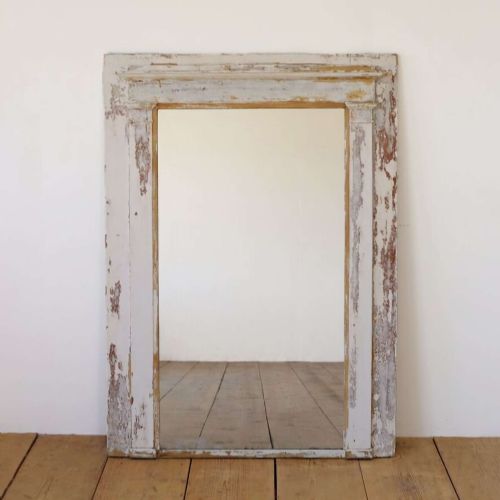
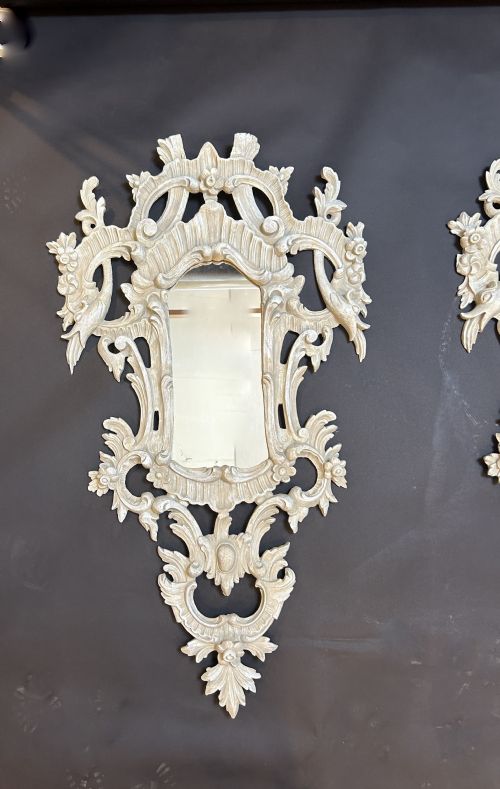


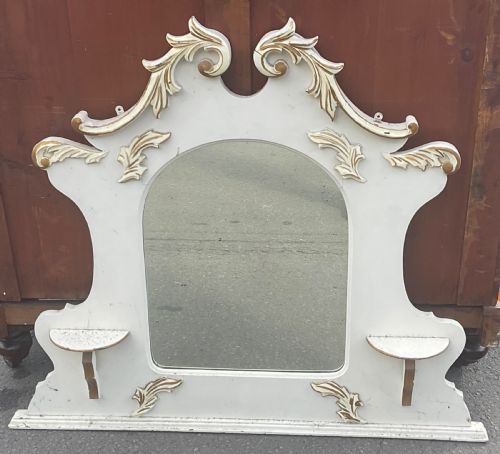


Painted Shabby Chic Mirror
These painted shabby chic mirror examples bring tactile texture and storied domestic history straight into a room, offering aged character that newly made glass simply lacks.
Painted Shabby Chic Mirror
A painted shabby chic mirror combines distressed painted surfaces with classic forms, originating predominantly from the nineteenth and early twentieth centuries. When searching for a painted shabby chic mirror, buyers encounter wall-hanging glass, grand overmantels, and smaller toilet or dressing table mirrors reflecting various European design traditions.
The aesthetic bridges several periods and regional styles, drawing heavily on French provincial, Rococo revival, and Edwardian domestic designs. Pieces range from grand carved timber frames intended for placement above fireplaces to simpler adjustable toilet mirrors resting on mahogany bases.
Most entries showcase the marks of age, where layered paintwork reveals underlying gesso and wood through natural wear and tear. This visual language creates an informal, lived-in elegance that suits both contemporary apartments and traditional country interiors.
Materials and construction methods
Makers built these frames using solid timber or carved wood, frequently applying a layer of gesso to build up intricate surface ornamentation before painting. This foundational plaster mixture allowed artisans to carve elaborate scrolls, shaped tops, and arched crestings.
Surfaces were finished with layered paint applications, often chalky whites or muted tones designed to patinate and chip gracefully over decades of domestic use. Original mirror glass, set within these robust wooden carcasses, often exhibits gentle foxing and age spots.
Painted Shabby Chic Mirror Retail Price Guide 2026
Typical asking prices for painted shabby chic mirror among the pieces listed under this phrase on Sellingantiques today, from the lower quarter to the upper quarter. They describe what is for sale here now, not the wider market.
One Edwardian piece politely whispers of afternoon tea etiquette while waiting quietly for a hallway coat check.
Quality factors in antique mirrors
Quality rests significantly on the depth and crispness of the hand-carved woodwork beneath the painted finish, distinguishing finely sculpted gesso ornaments from heavier, less detailed mouldings. Proportion and scale also dictate value, with larger overmantel pieces requiring substantial internal framing to remain structurally sound.
The integrity of the original surface patination matters greatly, separating intentionally distressed modern pieces from genuinely aged paintwork accumulated over a century or more. Proportionate mirror glass that sits securely within the rabbet without excessive replacement further defines a superior surviving example.
The Painted Shabby Chic Mirror Glossary
- Gesso
- A plaster-like mixture applied to wood frames to create a smooth surface for carving and painting. It allows artisans to shape intricate relief ornamentation before finishing.
- Overmantel mirror
- A large wall glass specifically designed to hang above a fireplace mantelpiece. These substantial pieces often feature shaped or arched tops.
- Foxing
- The brown spots and age-related degradation appearing within the silver backing of older mirror glass. It signals authentic age rather than a modern reproduction.
- Rococo revival
- A nineteenth-century design style inspired by organic asymmetry, C-scrolls, and floral motifs. This aesthetic heavily influences many ornate antique frames.
- Toilet mirror
- A smaller dressing table or bureau glass mounted on upright pivots, allowing the user to adjust the angle. They often sit atop small box bases fitted with tiny drawers.
Painted Shabby Chic Mirror: Frequently Asked Questions
Are these mirrors heavy to hang?
Many nineteenth-century overmantel and wall glasses feature dense carved timber carcasses and thick glass, adding considerable weight.
Ensure you anchor fixings securely into solid wall studs rather than relying solely on standard plasterboard plugs.
How can I tell if the paint is original?
Examine the surface under natural light to check for multiple thin layers, microscopic crackle, and wear concentrated around high-touch areas.
Genuine antique pieces show organic patination and dust accumulated within crevices that modern faux-distressing techniques struggle to replicate.
Where should I place an overmantel mirror?
Traditionally hung above a fireplace, these large glasses also work effectively on expansive drawing room walls to bounce ambient light.
Position them opposite a window to maximise natural daylight and create an illusion of greater spatial depth.