
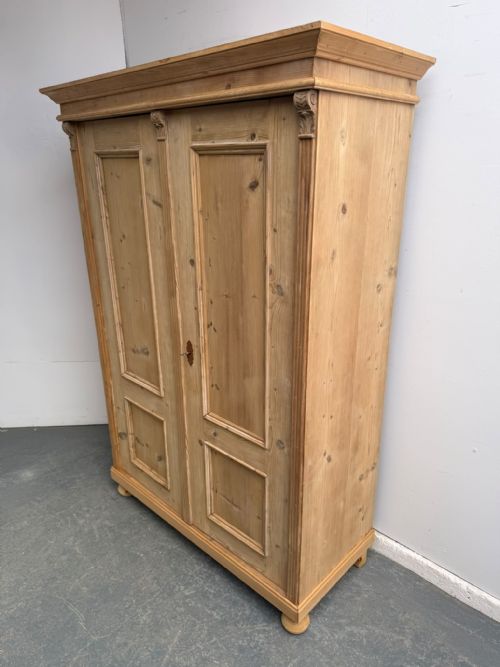
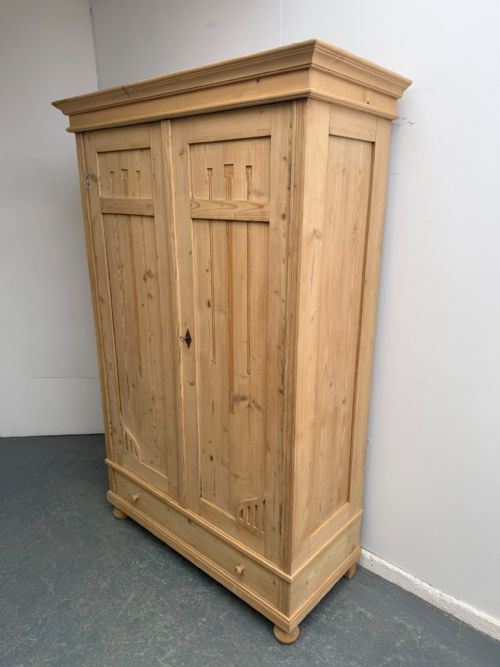
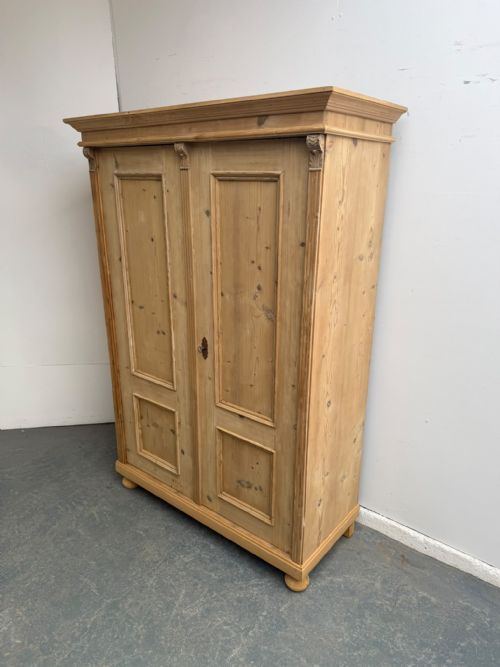
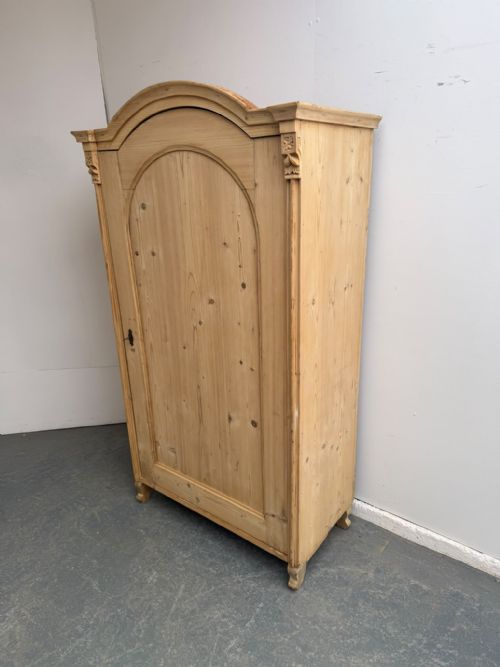
Painted Pine Armoire Cabinet
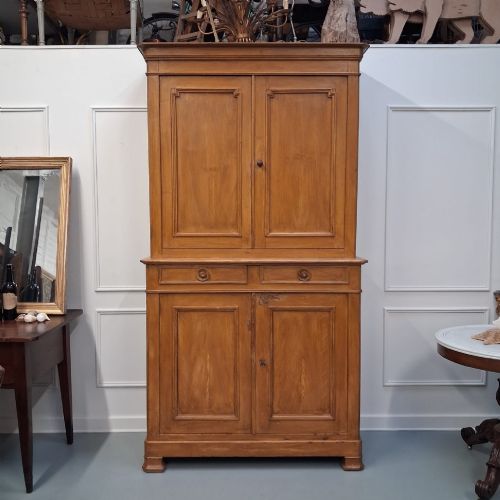
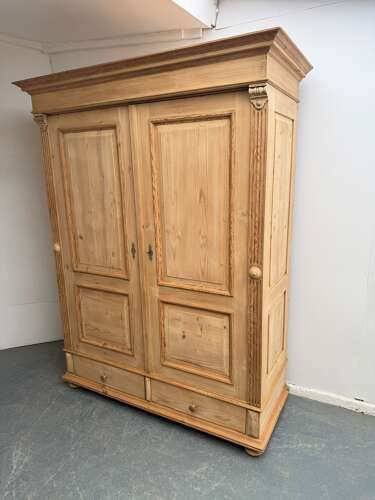
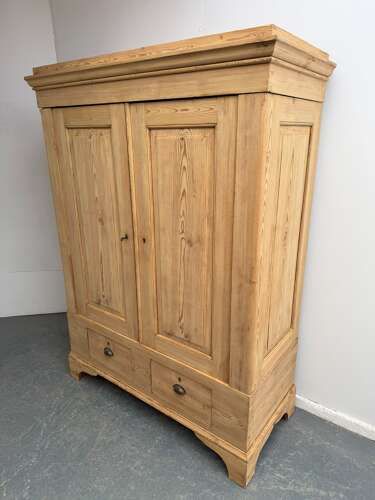
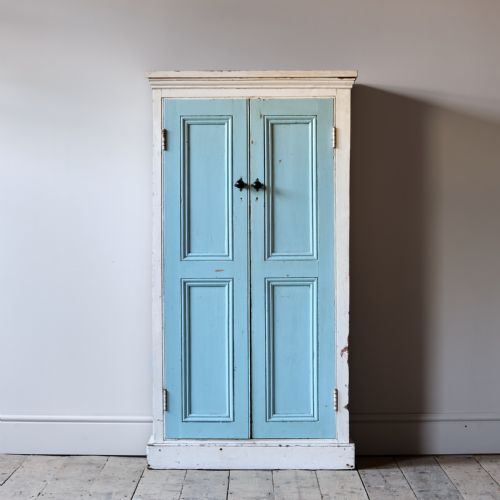
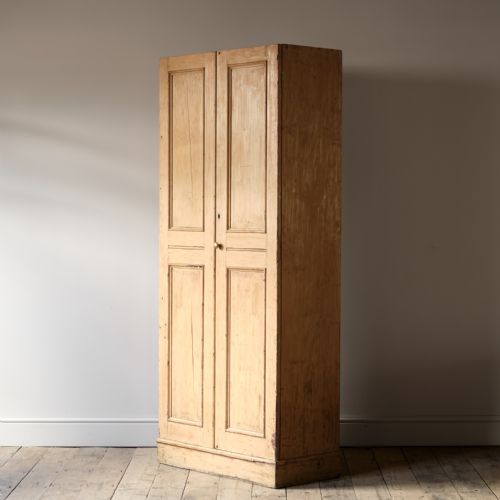
A painted pine armoire cabinet offers functional storage wrapped in country charm, spanning Georgian, Victorian and continental traditions.
Painted Pine Armoire Cabinet
When you examine a painted pine armoire cabinet, you encounter utilitarian furniture designed for domestic storage across the eighteenth, nineteenth and early twentieth centuries. The selection encompasses regional expressions, from British housekeepers' cupboards and wardrobes to Swedish and Italian pieces.
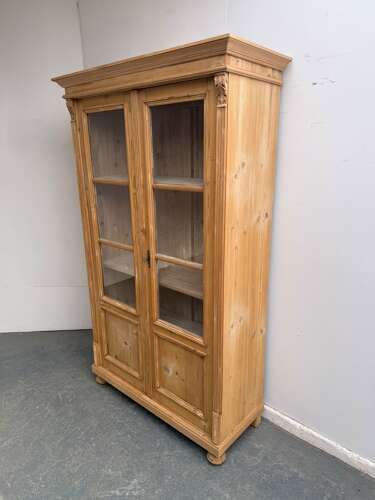
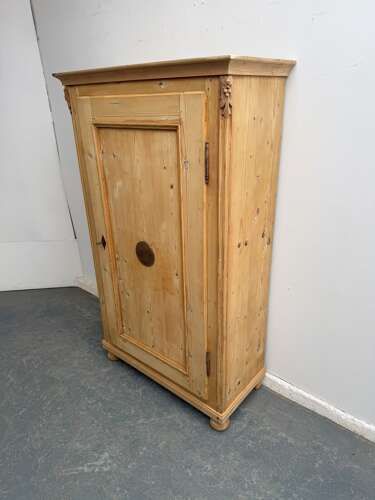
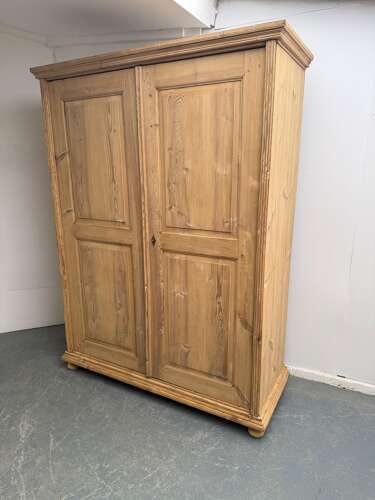
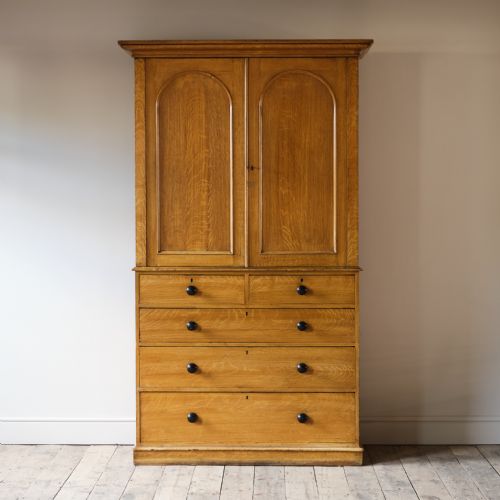
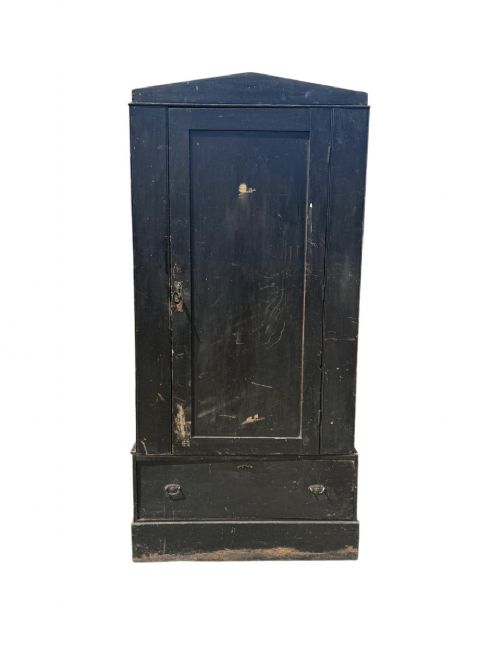
The most common examples on this page date from the Victorian period and the nineteenth century, often appearing as knockdown wardrobes, linen presses or single-door storage cupboards. These pieces bridge formal cabinet-making and rural utility.
Geographic variations shape the forms significantly, ranging from Georgian country pieces to Scandinavian folk art and French provincial designs. Whether structured as a tall two-door wardrobe or a low cottage cupboard, each item serves primary storage needs.
Materials and construction methods
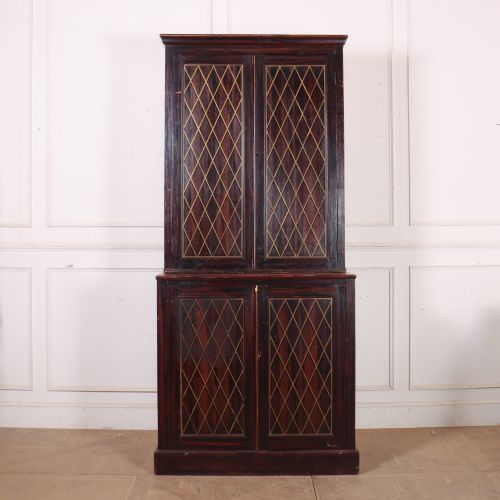
Construction relies primarily on solid pine, chosen for its workability and availability, joined with iron or brass hardware such as hinges and handles. Many specimens feature original or later surface treatments, including scumble paint, polychrome finishes and traditional layered paint.
Cabinet makers utilised straightforward joinery techniques suited to softwood, occasionally incorporating beaded panels, carved details or fielded doors. Knockdown construction appears frequently in larger wardrobes, allowing the main body to dismantle for transport.
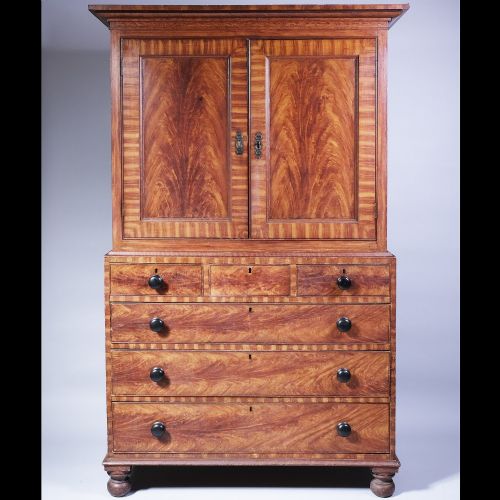
Several cupboards retain traces of scumble paint designed to fool the eye into seeing exotic hardwood.
Factors of distinction
Quality rests upon the integrity of the original pine timber, the survival of authentic early paint surfaces and the balance of proportions. Finer examples display careful joinery, such as neatly fitted arched doors and well-executed hand-carved elements.
The character of the painted finish dictates much of the visual appeal, distinguishing simple later coats from patinated historic paint layers. Structural soundness, particularly in knockdown mechanisms and door alignment, separates robust utility pieces from lesser items.
The Painted Pine Armoire Cabinet Glossary
- Armoire
- A tall wardrobe or cupboard, traditionally used for storing clothing. European examples often feature single or double doors enclosing hanging space or shelves.
- Scumble paint
- A decorative surface technique where a translucent glaze is manipulated over a lighter base coat to imitate grain or create textured patterns. This finish appears on nineteenth-century utility pieces.
- Linen press
- A tall storage piece traditionally combining upper shelving for folded textiles and lower drawers. Eighteenth and nineteenth-century examples often utilise pine construction.
- Knockdown
- A piece of furniture designed to be dismantled into sections for ease of transport and assembly. This method is common in large Victorian wardrobes.
- Fielded
- A panel with bevelled or recessed edges framed within a stile and rail construction. This technique adds depth and strength to cupboard doors.
Painted Pine Armoire Cabinet: Frequently Asked Questions
How do I care for a painted pine cabinet?
Keep the wood away from direct heat sources and strong sunlight to protect the painted surface from drying or cracking. Dust gently with a dry cloth and avoid harsh chemical cleaners.
Maintain stable indoor humidity levels to prevent the pine timbers from expanding or contracting excessively over the seasons.
How do I identify the period of a pine cupboard?
Look at the construction marks, hardware types and joinery methods visible inside the piece. Georgian and early nineteenth-century items often feature hand-planed surfaces and wrought iron fixings.
Stylistic cues such as fielded panels, arched mouldings and the nature of the paint layer help narrow down the manufacturing decade.
Are these cabinets suitable for modern clothes hangers?
Some older wardrobes feature shallow depths or fixed wooden pegs rather than modern hanging rails. Measure your coat hangers against the interior depth before planning daily use.
Interior configurations can sometimes be adapted with removable rails without altering the historic structure of the cabinet.