



Painted Pedestal Base
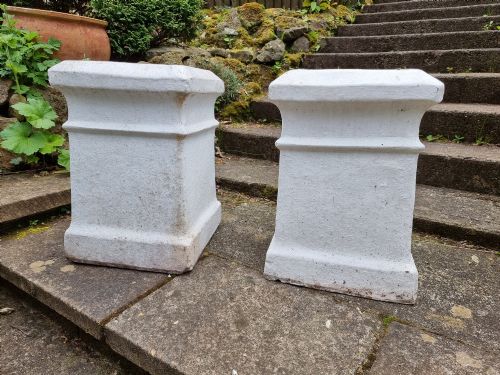
These painted pedestal base pieces are sturdy supports and display surfaces designed to elevate objects, bringing practical function and decorative presence to a room.
Painted Pedestal Base
When searching for a painted pedestal base, a buyer encounters a diverse mix of occasional tables, garden pedestals, planters, and sculptors stands spanning the nineteenth and early twentieth centuries. These items serve primarily as elevated platforms or functional furniture, appearing in styles ranging from Regency and Victorian to Art Deco and English Country.
The pieces listed on this page predominantly take the form of occasional tables, stands, and supportive architectural elements constructed from wood and terracotta. Examples include tall original painted sculptors stands and painted pine furnishings, reflecting both formal period revivals and utilitarian studio designs.
Materials and construction methods
Makers utilised traditional timbers such as mahogany, sycamore, and pine as the structural foundation for these supports, often applying surface paint or black lacquer decoration. These painted finishes define the visual character of the pieces, masking the underlying wood or accentuating carved details.
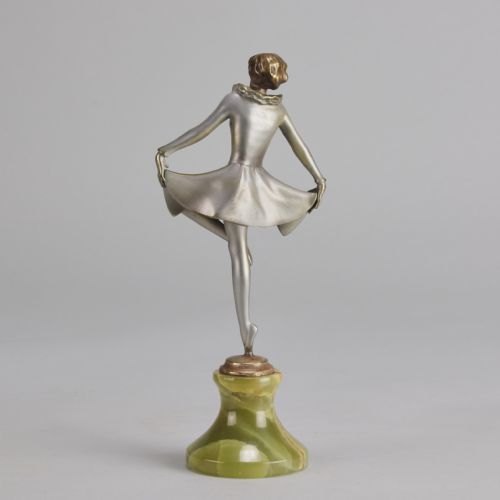
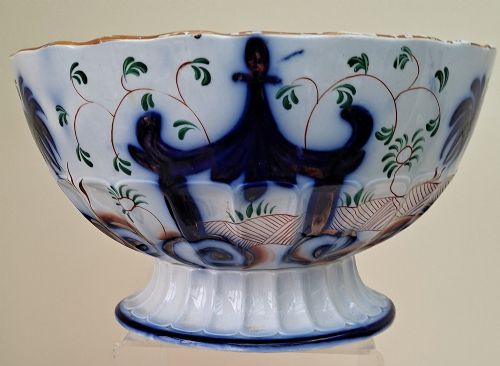
Additional materials include terracotta, porcelain, and cold-painted bronze, particularly in sculptural works and vessels where the base forms an integral part of the composition. Craftsmanship ranges from utilitarian joinery to refined decorative surfacing found in nineteenth-century workshops.
Painted Pedestal Base Retail Price Guide 2026
Typical asking prices for painted pedestal base among the pieces listed under this phrase on Sellingantiques today, from the lower quarter to the upper quarter. They describe what is for sale here now, not the wider market.
Listings feature items from the nineteenth and early twentieth centuries, incorporating materials such as pine, mahogany, and terracotta.
Assessing quality and craftsmanship
Quality in these pieces rests upon the integrity of the structural support and the preservation of the original painted surface. Superior examples exhibit stable weight distribution in the pedestal base alongside skilful application of paint or lacquer.
Lesser items may show heavy wear to the painted finishes or structural instability in the column and foot. The refinement of the turning and the harmony of the proportions dictate the standing of each piece.
Josef Lorenzl·Doulton Burslem
The Painted Pedestal Base Glossary
- Pedestal base
- A supporting column or foot that elevates a table, sculpture, or planter. This architectural support provides stability and raises the focal object.
- Torchere
- A tall stand or ornamental candlestick designed to hold a light source or display an object. These slender supports often feature decorative painted surfaces.
- Centre table
- A freestanding table finished on all sides, intended to sit in the middle of a room rather than against a wall. They frequently incorporate sturdy central pillars.
- Gadrooned
- Decorated with an ornamental carved band of convex curves or fluting. This decorative moulding often appears around the base or rim of urns and tables.
Painted Pedestal Base: Frequently Asked Questions
What are painted pedestal base stands used for?
These pieces serve as elevated display platforms for sculptures, plants, or decorative objects within a room. They lift items to eye level to create a distinct focal point.
In functional forms like occasional tables, the pedestal base provides robust support while allowing more legroom than traditional four-legged designs.
How do I date a painted pedestal base?
Dating relies on identifying the underlying wood types, construction techniques, and the composition of the paint or lacquer layers. Stylistic details point toward specific periods like the Regency or Victorian eras.
Wear patterns and tool marks on the underside of the base offer further clues to the manufacturing era.
Are these pieces suitable for outdoor use?
Most antique wooden and painted pieces require indoor conditions to protect the timber and decorative surface from moisture. Exposure to the elements will degrade the paint and warp the wood.
Terracotta or cast stone variations handle sheltered outdoor environments better, provided they are protected from frost.
How do I care for antique painted surfaces?
Dust the surface regularly with a soft, dry cloth to prevent dirt accumulation on the painted finish. Avoid harsh chemical cleaners that strip or soften historic paint.
Keep the pieces away from direct sunlight and excessive heat sources to prevent the wood beneath from expanding and cracking the paint.