

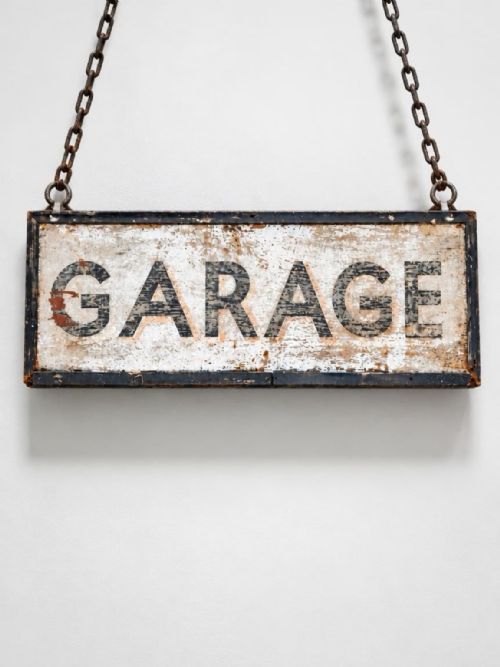
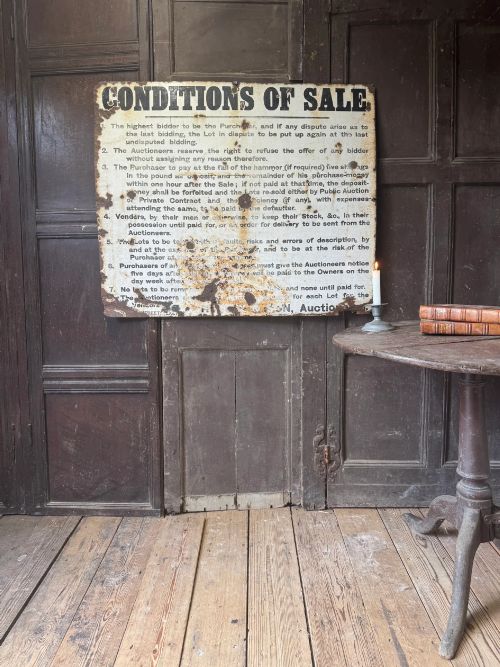
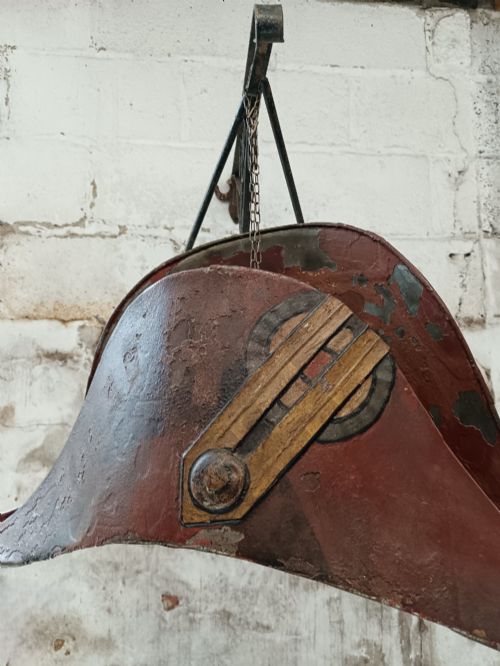


Painted Metal Advertising Sign
These painted metal advertising signs span industrial, trade and military purposes, offering a direct link to past commerce and everyday public life.
Painted Metal Advertising Sign
A painted metal advertising sign serves as a robust marker for shops, trades and public houses, surviving from the nineteenth and twentieth centuries. These pieces encompass wall signage, hanging signs and trade boards designed to catch the eye of passers-by.
You are most likely to meet French industrial pieces and early twentieth-century trade signs on this page, alongside specific examples like pharmacy and dentist boards. The selection also includes nineteenth-century iron sheep dip markers and military bicorn hat trade signs.
The forms range from flat wall panels to distinct shaped objects like hats and club symbols, reflecting the exact trade they advertised. Each item relies on painted surfaces applied to sheet iron, tin, toleware or heavier metal plates.
How they were made
Makers shaped sheet iron, tin and toleware into rigid panels and shaped silhouettes to form the base of each trade board. These metal sheets provided a durable surface capable of withstanding outdoor conditions for decades.
Workers applied oil-based and traditional paints directly to the metal substrate, often hand-lettering lettering and pictorial elements. The combination of painted metal and exposed iron results in the weathered patination seen on surviving examples today.
Painted Metal Advertising Sign Retail Price Guide 2026
Typical asking prices for painted metal advertising sign among the pieces listed under this phrase on Sellingantiques today, from the lower quarter to the upper quarter. They describe what is for sale here now, not the wider market.
Some nineteenth-century sheep needed dipping so badly that someone hammered an iron sign flat to advertise the cure.
What varies in quality
The sophistication of the hand-painted lettering and pictorial detail dictates the visual strength of a sign. Bold, clear typography and well-executed folk art graphics separate utilitarian boards from superior examples.
Original surface preservation and the natural ageing of the paint layers determine the character of the piece. Untouched patination on the sheet metal holds greater visual appeal than heavy later repainting.
The Painted Metal Advertising Sign Glossary
- Toleware
- Lacquered or enamelled metalware, typically tin or sheet iron, often painted with decorative motifs. This technique yields a smooth surface suited to detailed trade graphics.
- Trade sign
- A board or shaped object hung outside a business to advertise the profession within. These pieces often take the form of the goods sold or tools used.
- Sheet metal
- Rolled metal plate thin enough to be worked into panels or shapes while maintaining rigidity. It forms the primary substrate for the majority of these advertising boards.
- Folk art
- Utilitarian objects created by self-taught makers without formal academic training. In signage, this appears in idiosyncratic lettering and charmingly direct pictorial work.
Painted Metal Advertising Sign: Frequently Asked Questions
How were trade signs displayed?
Shopkeepers mounted these boards directly onto exterior brickwork, hung them from iron brackets above pavements, or placed them inside windows to catch passing trade.
The positioning depended on whether the piece functioned as a flat wall panel or a projecting hanging sign designed for visibility from multiple directions.
What trades used metal signs?
A wide variety of merchants utilised metal signage, including pharmacists, dentists, painters, auctioneers and agricultural suppliers.
The subject matter often reflected the specific occupation, ranging from Coopers sheep dip advertisements to military bicorn hat trade markers.
How do I date a painted metal sign?
Dating relies on the style of the lettering, the construction of the metal plate, and the characteristics of the paint layers. Early twentieth-century pieces often display distinct typographic trends compared to nineteenth-century examples.
The specific trade and terminology used on the board also provide clear historical context for when the sign was in active service.
Can these signs hang outside?
While originally built for exterior use, surviving antique metal signs benefit from protection against damp weather to preserve their remaining paintwork. Many collectors choose to display them indoors on interior walls.
Keeping them in a stable environment prevents further corrosion of the underlying iron and sheet metal.