




Painted Merchant Counter
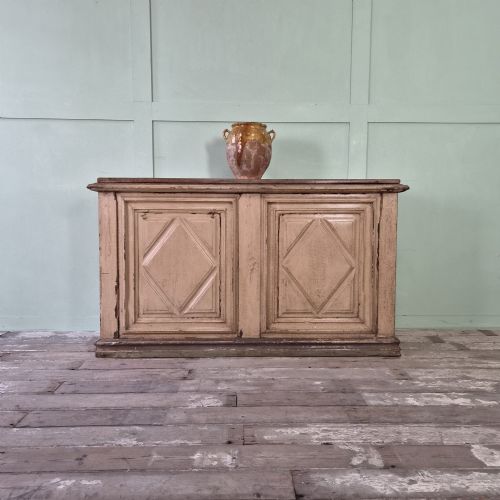
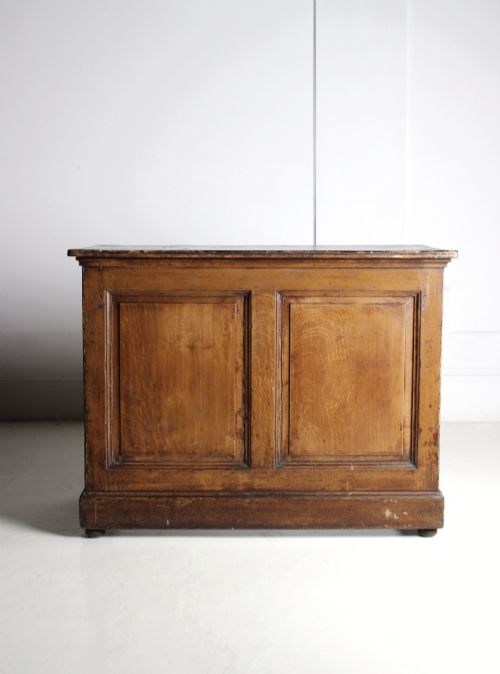
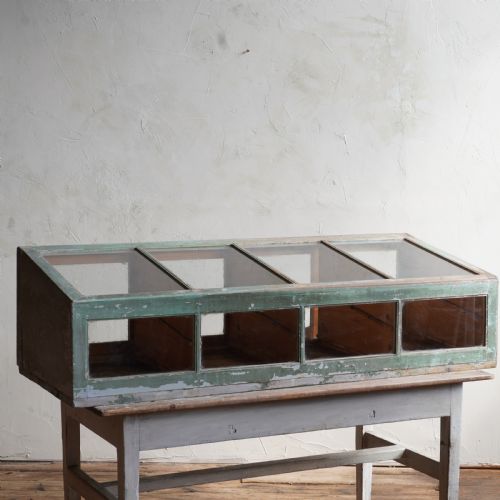
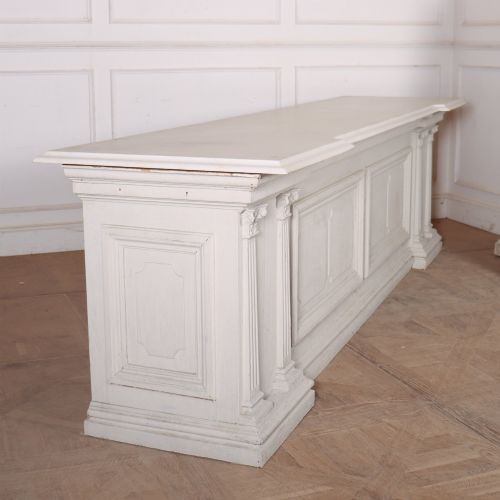
These painted merchant counter examples combine utilitarian function with characterful surface wear, offering a practical workspace and distinct period storage.
Painted Merchant Counter
A painted merchant counter serves as a commercial shop fitting or utilitarian workspace, originating primarily from the nineteenth century and early twentieth century. You are looking at sturdy timber furniture built for retail and trade, frequently constructed from pine or oak.
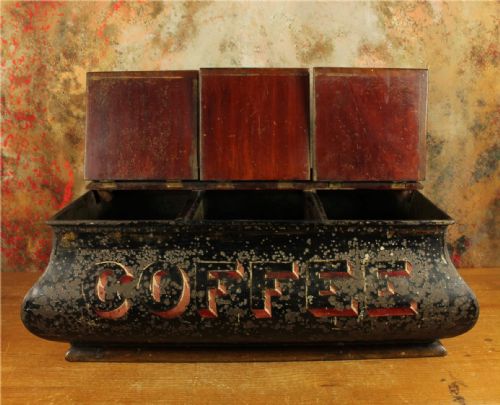
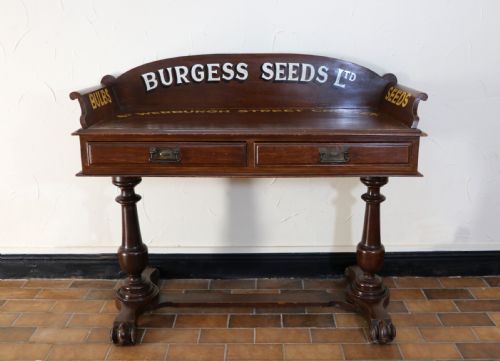
The most common versions on this page are multi-drawer shop fittings, drapers chests of drawers, and panelled counters finished in period paintwork. These pieces range from compact countertop display cabinets to substantial bank of drawers configurations.
Origins span across English, French, Italian, and Hungarian workshops, reflecting diverse regional commercial aesthetics. Styles shift from rustic country and provincial designs to industrial and neoclassical influences.
How they were made
Makers utilised solid timber such as pine and oak to build heavy carcases capable of withstanding daily retail trade. Drawers were constructed with traditional joints to endure frequent pulling and heavy loading of merchandise.
Surfaces received layers of lead-based or oil paints, sometimes incorporating gesso preparation or decorative finishes like faux oak graining. Metal pulls, brass hardware, and glass panels were integrated to complete display cabinets and multi-drawer units.
Painted Merchant Counter Retail Price Guide 2026
Typical asking prices for painted merchant counter among the pieces listed under this phrase on Sellingantiques today, from the lower quarter to the upper quarter. They describe what is for sale here now, not the wider market.
Some multi-drawer shop fittings still retain faint traces of chalk prices written directly onto the timber drawer fronts by nineteenth-century shopkeepers.
What varies in quality
The integrity of the original painted surface distinguishes superior examples from later repainted pieces, with untouched patination holding greater historical value. Original hardware, such as brass pulls and glass panels, contributes to authenticity.
Construction scale and drawer multiplicity dictate the utility and desirability of each counter. Heavier timber framing and intact internal dividers demonstrate superior workshop standards from the nineteenth century.
The Painted Merchant Counter Glossary
- Shop Fitting
- Heavy commercial furniture designed for retail environments. These pieces include counters, shelving units, and bank of drawers fixtures.
- Drapers Chest
- A multi-drawer cabinet utilised in fabric shops to organise textiles and haberdashery. They typically feature numerous shallow or medium drawers.
- Gesso
- A plaster-based material applied to wood surfaces to prepare them for painting or gilding. It provides a smooth base for decorative finishes.
- Toleware
- Painted or lacquered metalware popular during the Victorian period. These items often served functional storage roles in commercial settings.
- Patina
- The surface sheen and wear accumulated through age and use. It reveals the history of handling and cleaning over decades.
Painted Merchant Counter: Frequently Asked Questions
What is a painted merchant counter used for today?
These pieces function brilliantly as kitchen islands, hallway storage consoles, or statement retail display units. Their numerous drawers and flat timber tops provide substantial practical storage for modern homes.
Positioning one in a living space introduces immediate period character and robust surface area. They adapt well to contemporary interiors that value utilitarian history and visible craftsmanship.
How can I tell the period of a counter?
Examine the construction methods, timber selection, and types of hardware used on the drawers and doors. Nineteenth-century pieces often feature hand-cut joints and heavier pine or oak carcases.
Paint analysis and style markers such as Victorian neoclassical details or industrial ironmongery offer further clues. Comparing drawer configurations helps distinguish utilitarian shop fittings from domestic furniture.
Are these counters suitable for kitchens?
Many buyers repurpose these counters as kitchen islands due to their sturdy timber construction and ample storage capacity. The wide top surfaces offer practical space for food preparation and display.
Consider sealing vulnerable wooden tops with a food-safe oil if using the counter heavily for cooking tasks. Historic paint should be kept clear of direct heat and standing water.