

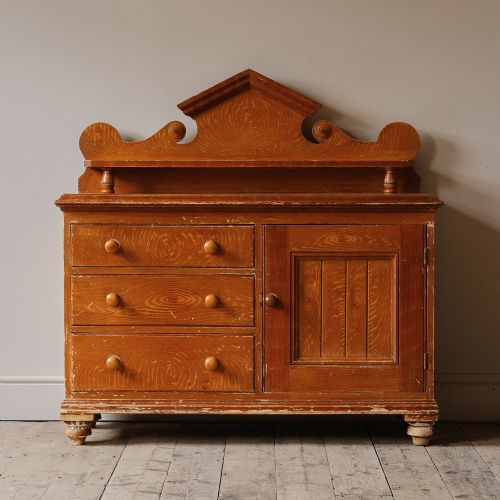
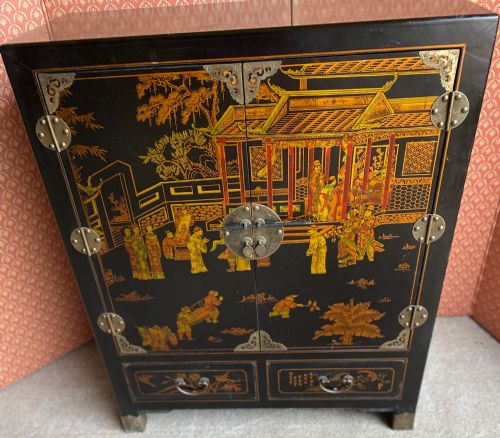
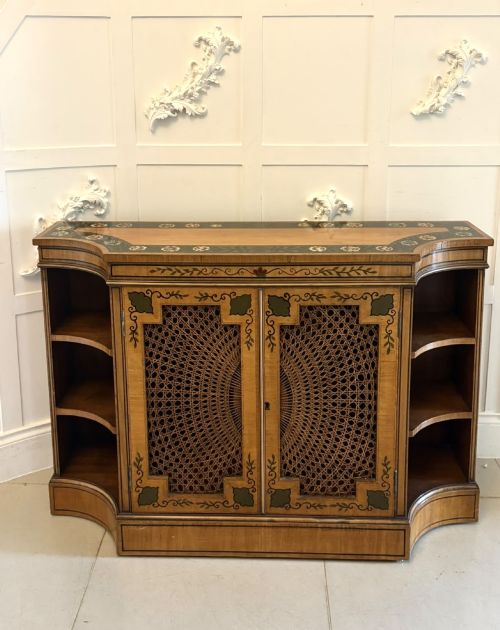
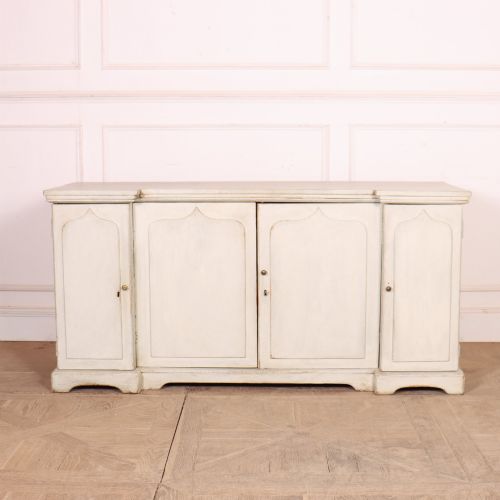
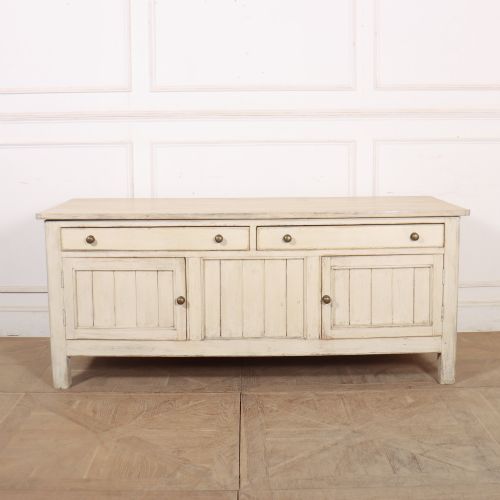


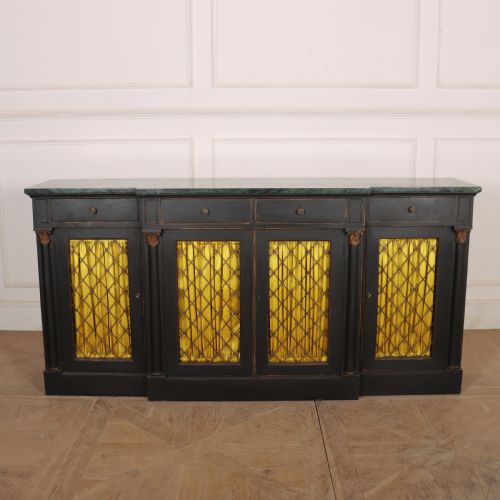


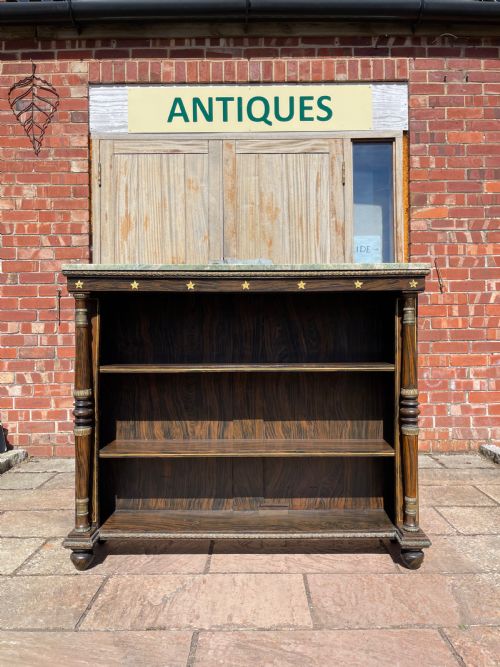

Painted Low Cabinet
These painted low cabinet examples bring together period utility and decorative surface, offering practical storage with distinct character.
Painted Low Cabinet
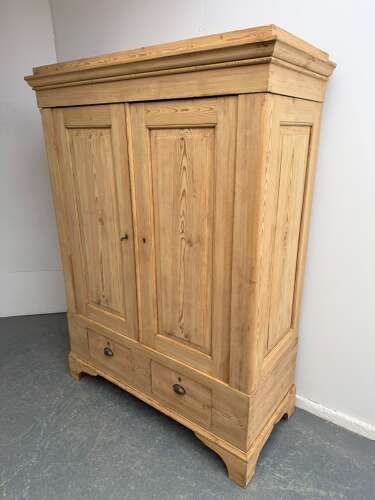
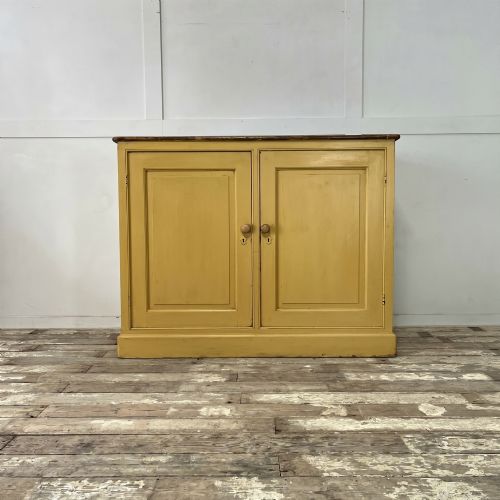
A painted low cabinet spans several practical domestic forms from the nineteenth century, including side cabinets, dressers, cupboards, and chests. Buyers searching this phrase encounter storage pieces designed with reduced height, often utilising pine, wood, and painted finishes.
The pieces appearing on this page originate from distinct eras such as the Georgian, Regency, and Victorian periods, alongside later items from around eighteen ninety and nineteen twenty. Regional English country and industrial or commercial influences shape many of the utilitarian forms available.
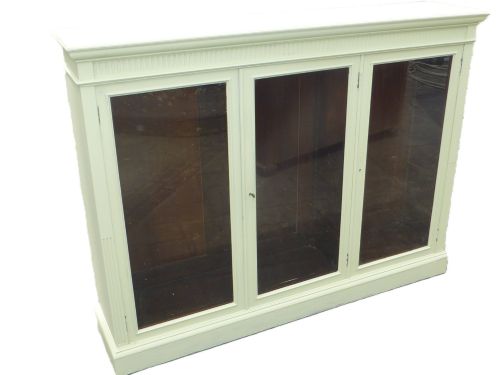
Side cabinets, bookcases, storage cupboards, and drapers chests represent the primary configurations found within these listings. Each version serves as a functional low storage unit carrying either original or later decorative paint.
Construction and Materials
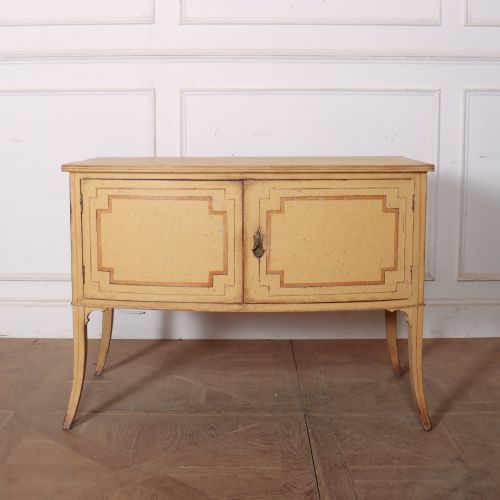
Makers utilised solid pine and general wood as the primary construction materials for these storage pieces, assembling frames with traditional joinery suited to heavy domestic or commercial use. Surfaces were then finished with paint, simulated paint effects, pen-work, or gilt and decoration.
Hardware elements incorporate brass and iron for hinges, handles, and mounts, providing structural reinforcement and contrast against the painted wooden surfaces. Glazed sections in bookcases integrate glass panels, while interiors occasionally feature adjustable shelving or specialised storage compartments.
Painted Low Cabinet Retail Price Guide 2026
Typical asking prices for painted low cabinet among the pieces listed under this phrase on Sellingantiques today, from the lower quarter to the upper quarter. They describe what is for sale here now, not the wider market.
Listings feature items from the Georgian, Regency, and Victorian periods, alongside pieces dated around eighteen ninety and nineteen twenty.
Factors of Quality
Quality in these low storage items rests upon the integrity of the original construction and the preservation of the painted surface. Pieces exhibiting period finishes, such as early simulated paint or pen-work detail, display greater decorative sophistication than later or plain waxed alternatives.
Structural proportions and hardware selection also distinguish the examples, with brass mounts and integrated glazing indicating higher initial craftsmanship. The balance between utilitarian function and refined decorative trim defines the range across these periods.
The Painted Low Cabinet Glossary
- Breakfront
- A cabinet design where the central section projects forward from the flanking outer sections. This configuration adds architectural depth to large side cabinets and dressers.
- Pen-Work
- A decorative technique using fine ink or paint application to create intricate surface patterns. It appears on select Regency pieces.
- Simulated Paint
- A painted finish applied to mimic a different material or a more expensive wood grain. This technique was utilised on nineteenth-century bookcases.
- Drapers Chest
- A wide, shallow-drawered chest originally utilised in textile shops for storing fabrics. These forms now serve domestic storage roles.
- Ebonised
- Wood finished to resemble ebony through dark staining or painting. Brass mounts often accompany this dark finish.
Painted Low Cabinet: Frequently Asked Questions
Where were these cabinets used?
These low cabinets served various roles across domestic and commercial settings, functioning in schoolrooms, kitchens, and retail shops as storage solutions. Their reduced height allowed them to fit beneath windows or along walls without obstructing light.
Over time, many utilitarian forms transitioned from working environments into domestic living spaces, where their painted surfaces and practical proportions complement modern interiors.
How do I identify a Victorian piece?
Victorian examples often feature robust pine construction, school cupboards, or artists chests of drawers that reflect the utilitarian demands of the era. Makers during this period favoured durable surfaces and practical storage configurations.
Comparing the hardware, timber density, and construction methods against known nineteenth-century standards helps confirm the period origin of individual storage units.
What is simulated paint?
Simulated paint is a decorative surface treatment where artisans painted wood to imitate finer timbers or decorative finishes. This technique was common during the early nineteenth century on bookcases and cabinets.
The application requires careful brushwork to replicate natural grain patterns, providing a decorative facade over standard timber construction.
How do I care for a painted surface?
Painted antique furniture requires gentle maintenance using dry or slightly damp cloths to remove dust without harming the historic finish. Avoiding harsh cleaning agents preserves the underlying paint layers.
Positioning cabinets away from direct sunlight and excessive moisture prevents the painted wood and applied decoration from fading or flaking over time.