



Painted Iron Sign
These painted iron sign examples deliver honest utilitarian history and bold graphics, offering a direct route into industrial and trade heritage.
Painted Iron Sign
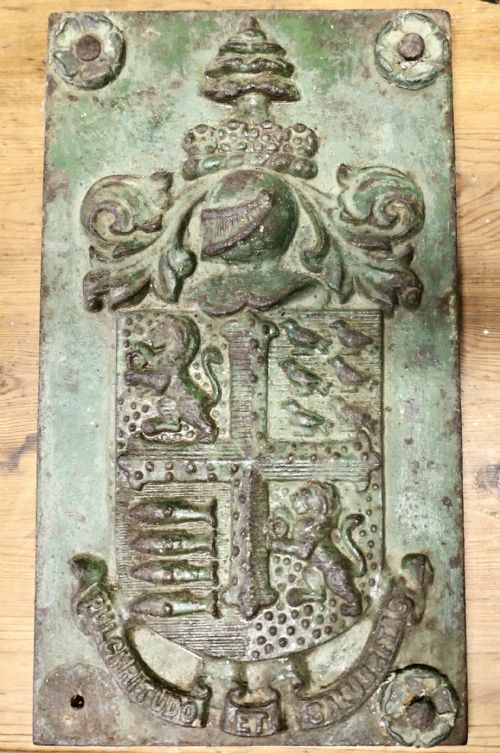
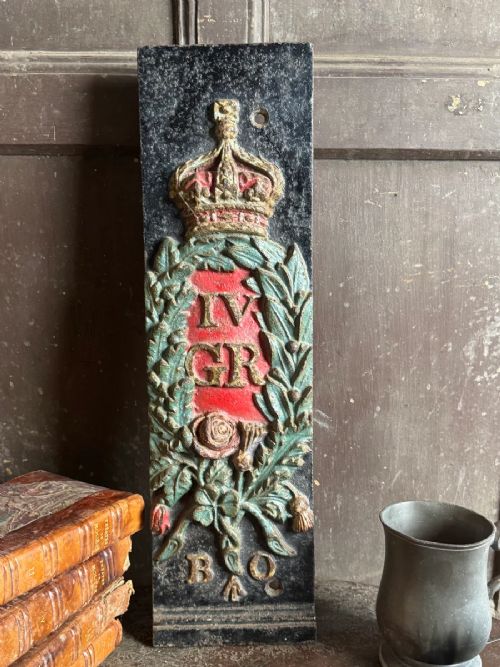
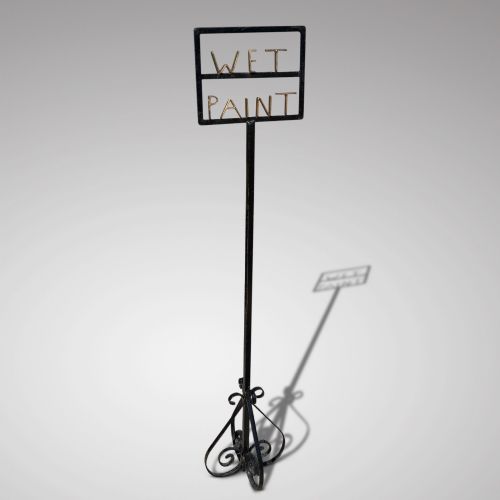
Most pieces on this page originate from the Victorian and early twentieth-century periods, reflecting industrial expansion and municipal development. Examples range from street names and railway notices to armorial plaques and butchers' window displays. Each form carries the distinct visual language of its original commercial or civic context.
Materials and construction
Makers utilised cast iron, wrought iron, and sheet iron as the primary structural bases for these markers. Casting allowed for raised lettering and intricate armorial details, while sheet metal provided a flat surface for painted trade and railway messages. Brass components sometimes appear as supplementary mountings or highlights.
Surfaces were prepared and finished with traditional oil-based paints, often applied in multiple layers to withstand outdoor exposure. Lettering and heraldic motifs were meticulously painted by hand, resulting in the resilient surfaces seen on surviving railway and street signs today.
Painted Iron Sign Retail Price Guide 2026
Typical asking prices for painted iron sign among the pieces listed under this phrase on Sellingantiques today, from the lower quarter to the upper quarter. They describe what is for sale here now, not the wider market.
The listings span from the Georgian era through the nineteenth century and into the 1930s, featuring cast iron, wrought iron, and paint.
Assessing quality in metal signs
Quality rests in the crispness of the original casting and the integrity of the surviving paint surface. Signs with deeply relief-moulded letters and well-preserved layered pigments demonstrate superior original craftsmanship compared to plain utility boards.
The sophistication of the hand-painted lettering and the complexity of the subject matter, such as heraldic coats of arms or pictorial trade symbols, elevate certain pieces. Patina accumulated through decades of weathering also contributes to the visual depth of the best examples.
The Painted Iron Sign Glossary
- Cast iron
- A strong, hard iron-carbon alloy produced by pouring molten metal into a mould. This technique created the raised lettering and robust armorial plaques common on railway and street markers.
- Wrought iron
- Tough, malleable iron worked by hammering rather than casting. It provides the rigid hanging brackets and frames attached to traditional pub and trade signs.
- Sheet iron
- Thin flat sheets of iron rolled out for manufacturing lightweight signs. It offered a smooth surface suitable for painted advertising and railway notices.
- Armorial plaque
- A decorative metal panel displaying a coat of arms or civic crest. These were cast to mark municipal buildings, railway property, or official authorities.
- Railwayana
- Artefacts collected from the railway network, including cast iron platform notices and locomotive plates. These items carry specific operational and company histories.
Painted Iron Sign: Frequently Asked Questions
Can these signs be displayed outdoors?
Many of these pieces were originally manufactured for exterior use on railway lines, streets, and shopfronts. However, prolonged exposure to modern atmospheric moisture can accelerate corrosion on exposed iron.
Protecting the piece under a covered porch or maintaining a stable indoor climate helps preserve the remaining historical paint layers.
How do I clean a painted iron sign?
Gentle dusting with a dry microfibre cloth is the safest way to remove surface dirt without damaging fragile old paint. Avoid using harsh chemical solvents, abrasive scourers, or modern detergents that might strip the historic finish.
If deeper cleaning is necessary, consult a professional conservator who understands nineteenth-century painted metal surfaces.
How are different periods identified?
Dating relies on a combination of typography styles, manufacturing techniques, and specific historical contexts such as railway company titles or royal ciphers. Victorian pieces often feature elaborate serif lettering and heavy cast armorials, while 1930s examples shift towards simplified industrial fonts.
Cross-referencing the recorded railway or municipal names provides a reliable timeline for when the sign was commissioned.