

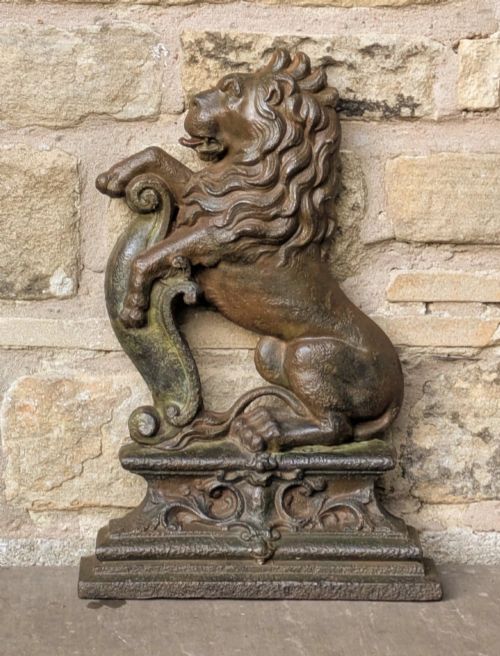
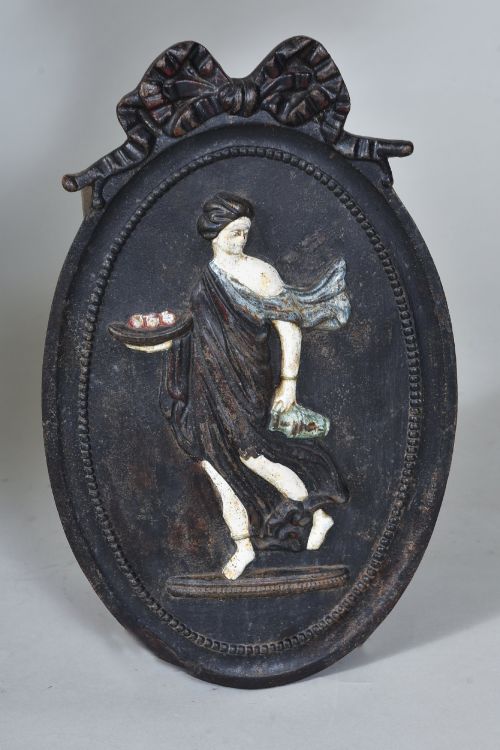


Painted Iron Figure
These painted iron figure pieces bring character to a room through cast metal and bright colour.
Painted Iron Figure
A painted iron figure serves various practical and decorative roles, ranging from doorstops and door keepers to balance toys and window display pigs. These items emerge from multiple eras including the nineteenth century and the early twentieth century.
Buyers frequently encounter cast iron doorstops depicting figures such as Mr Punch, alongside animal subjects like recumbent lions and elephants. Folk art examples also feature heavily, showing traditional craftsmanship across different periods.
Materials and Construction
Makers utilised cast iron, sheet metal, and cast metal as the primary foundational elements for these sculptures and doorstops. Molten metal was poured into moulds to create solid forms before undergoing surface finishing.
Painted Iron Figure Retail Price Guide 2026
Typical asking prices for painted iron figure among the pieces listed under this phrase on Sellingantiques today, from the lower quarter to the upper quarter. They describe what is for sale here now, not the wider market.
Current listings include objects fashioned from cast iron, porcelain, sheet metal, and enamel, spanning the eighteenth century to the twentieth century.
Evaluating Quality
The preservation of the original paint layer significantly influences the character of each piece. Retained surface pigment with natural wear demonstrates authentic age.
The Painted Iron Figure Glossary
- Cast iron
- A sturdy alloy poured into moulds to create heavy objects such as doorstops and statues. This material provides the structural weight required for utilitarian items.
- Folk art
- Utilitarian or decorative objects created by self-taught or traditional artisans. These pieces often display regional characteristics and independent design choices.
- Doorstop
- A heavy weighted object used to keep a door open. Iron examples frequently take the shape of human figures or animals.
- Balance toy
- A kinetic sculpture that moves or rocks while maintaining equilibrium. These items utilise counterweights to achieve motion.
Painted Iron Figure: Frequently Asked Questions
Where were painted iron figures used?
These items served functional roles in hallways as door stops or sat inside shop windows as trade displays. Owners also placed them on mantels and shelves purely for decoration.
Over time, utility items transitioned into collector pieces appreciated for their folk art aesthetic and historical associations.
How do I clean an iron figure?
Dust the surface gently with a dry cloth to remove loose particles without disturbing the pigment. Avoid liquid cleaners that might damage old painted finishes.
Keeping the piece in a dry environment prevents further oxidation of the underlying metal.
What periods do these pieces come from?
The available selection spans the nineteenth century and the early twentieth century, including Victorian and Edwardian examples. Production methods altered slightly as industrial techniques evolved during these decades.
Earlier items often display hand-finished details that reflect individual artisan methods.
Are all these figures made of cast iron?
While cast iron is common, makers also utilised sheet metal, cast metal, and enamel. Some listings include porcelain or gold leaf embellishments alongside the primary metal structure.
Each material combination produces a different weight and surface texture.