

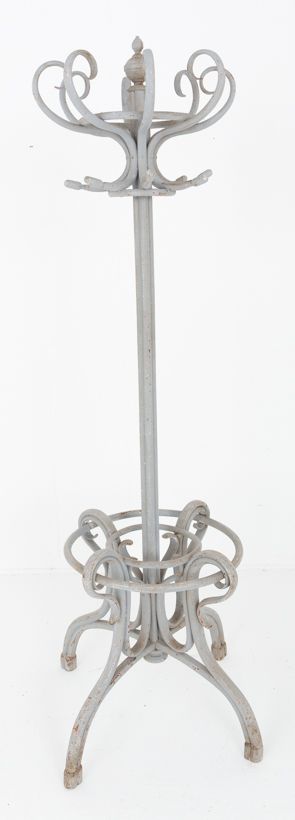

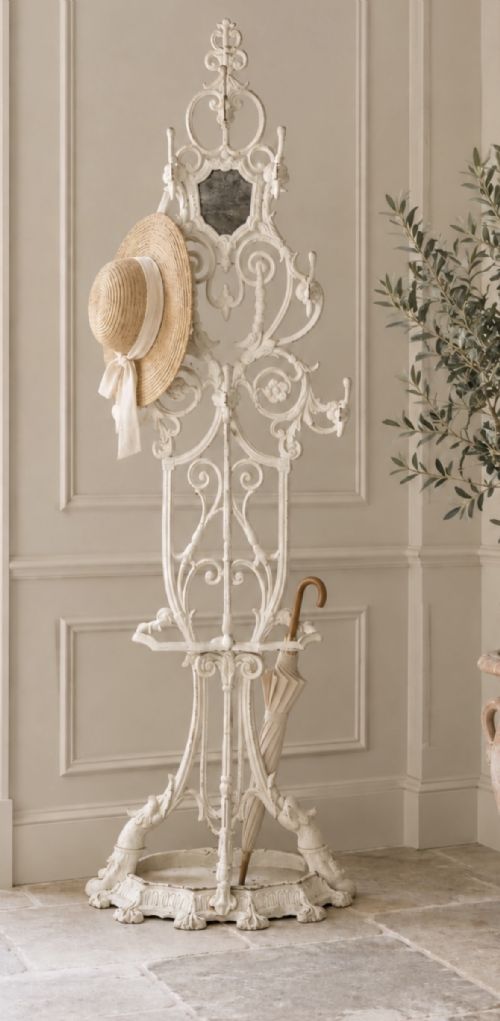


Painted Hall Stand
A painted hall stand brings functional utility and decorative character to an entranceway, utilising durable materials like cast iron, pine, and oak.
Painted Hall Stand
A painted hall stand provides a dedicated space in an entranceway for coats, hats, and umbrellas, keeping hallways orderly. The pieces meeting this search phrase are practical items designed to handle daily outdoor wear.
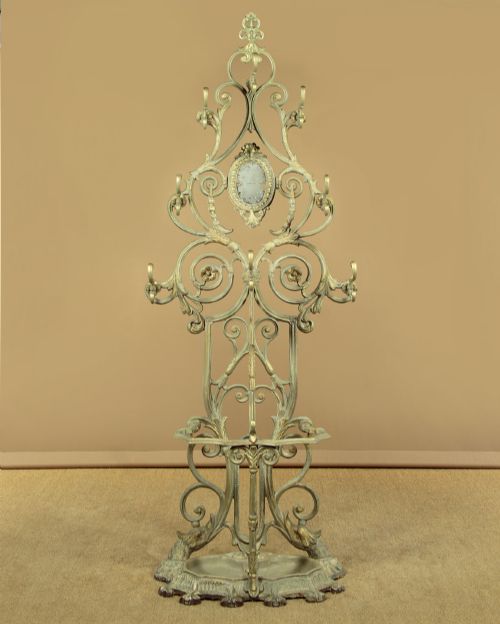
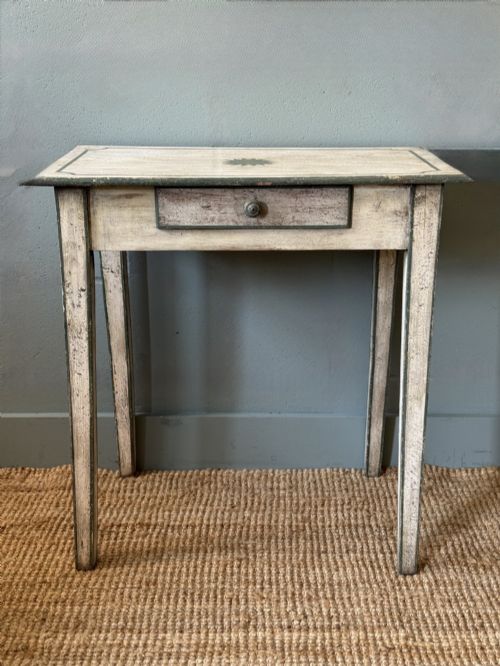
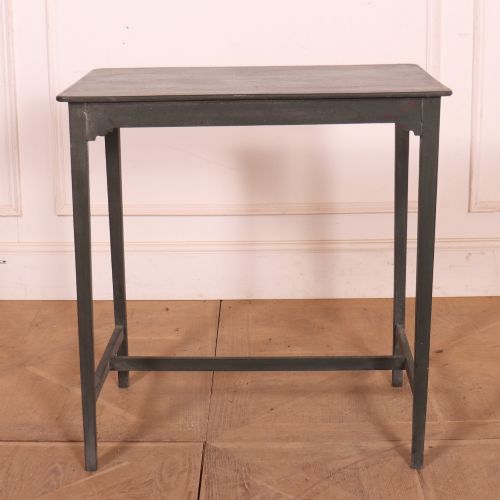
The selection on this page includes heavy cast iron examples from the Victorian period alongside wooden forms in pine and oak. Many incorporate painted finishes, ranging from original grain effects to later decorative treatments.
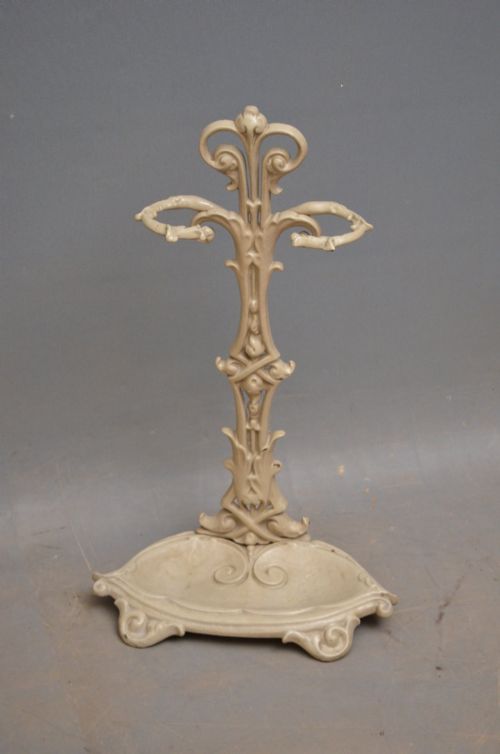
Makers often integrated umbrella loops and drip trays into the cast iron frames to manage wet weather gear. Alongside dedicated hall stands, related umbrella and coat stands appear within the current selection.
How they were made
Foundries produced cast iron stands using detailed moulds, creating openwork frames and scrolling umbrella loops that could support heavy wet items. These metal pieces often bear manufacturer styling or attribution to firms such as Coalbrookdale.
Wooden hall stands and washstands utilise timber construction in pine, oak, and mahogany, frequently enhanced by painted surfaces, faux marble tops, or grain finishes. Cabinetmakers joined these structural elements using traditional joinery appropriate to the period.
Painted Hall Stand Retail Price Guide 2026
Typical asking prices for painted hall stand among the pieces listed under this phrase on Sellingantiques today, from the lower quarter to the upper quarter. They describe what is for sale here now, not the wider market.
Some cast iron stands feature integrated drip trays designed to catch rainwater from umbrellas brought in from the unpredictable English weather.
What varies in quality
The standard of a painted hall stand depends on the crispness of the cast iron moulding and the integrity of the original surface finish. Heavier metal castings display sharper detail in the decorative scrollwork and structural rigidity.
For wooden versions, quality rests on the preservation of early paintwork, original grain effects, and stable timber construction. Pieces retaining their fitted drip trays and complete hardware represent higher desirability.
Coalbrookdale·Walker and Hall·Doulton Burslem·Edward Glase of Bridgnorth·Herbert of Haversham
The Painted Hall Stand Glossary
- Cast Iron
- A hard, relatively brittle alloy of iron and carbon that can be cast in a mould, commonly utilised for Victorian umbrella and stick stands.
- Coalbrookdale Style
- Design characteristics originating from the famous Shropshire ironworks, featuring ornate botanical or geometric openwork metal casting.
- Faux Marble
- A painted decorative finish designed to imitate the appearance of natural stone, frequently found on the tops of 19th-century washstands and hall furniture.
- Umbrella Loop
- A metal ring or divider integrated into a hall stand base to keep walking sticks and umbrellas upright and separated.
- Victorian Country
- A regional 19th-century aesthetic that prioritises sturdy utility and local timber construction over formal urban ornamentation.
Painted Hall Stand: Frequently Asked Questions
Where should a painted hall stand go?
These pieces suit entrance halls and boot rooms where visitors arrive and wet gear needs immediate storage.
Position the stand against a solid wall to ensure stability, particularly with heavier cast iron models that hold walking sticks and heavy coats.
How do I care for painted wood?
Dust the surface regularly with a dry cloth and avoid harsh chemical cleaners that might lift historic paint layers.
Keep wooden stands away from direct heat sources to prevent the timber from splitting and the paint from cracking over time.
Are cast iron stands very heavy?
Cast iron stands are substantial in weight, which keeps them stable when loaded with wet umbrellas and heavy winter coats.
Take care when moving these pieces across delicate flooring by lifting rather than dragging them.
How do I identify Victorian examples?
Victorian stands often feature registration marks, heavy cast iron scrollwork, or traditional pine construction with original grain finishes.
Look for functional additions like removable metal drip trays at the base, which became standard during the 19th century.