


Painted Glass Shade Light
A painted glass shade light brings warmth and colour into a room through decorative surfaces paired with brass or ceramic fittings.
Painted Glass Shade Light
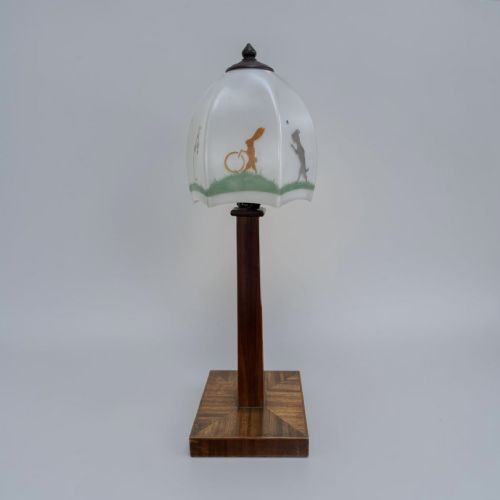
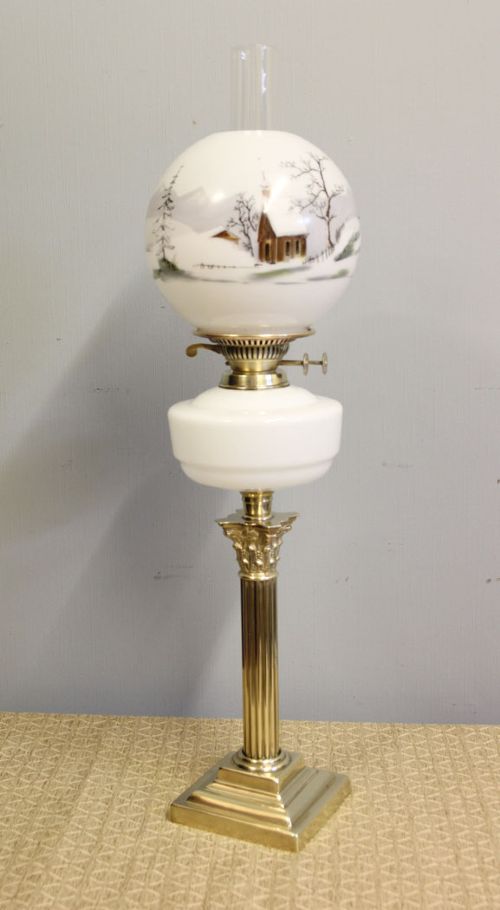
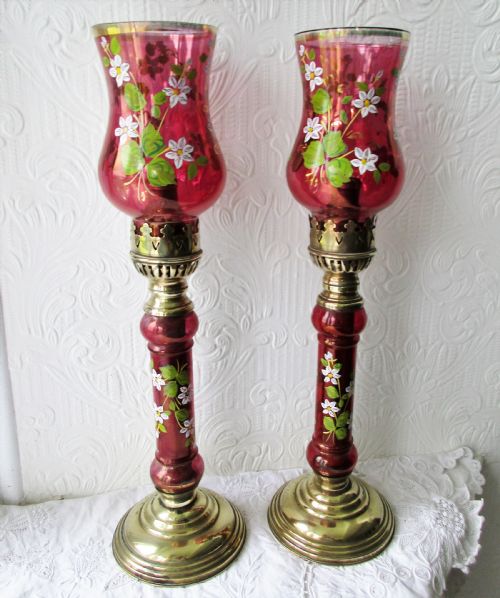
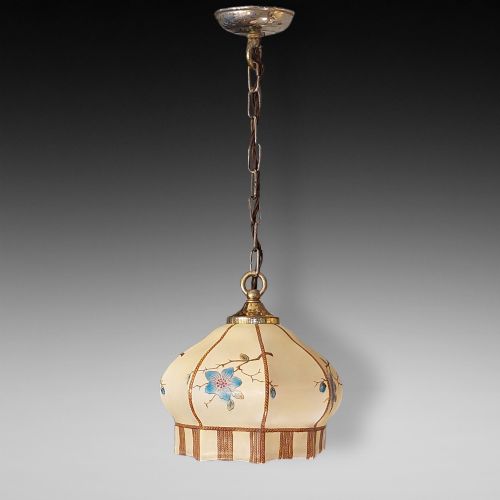
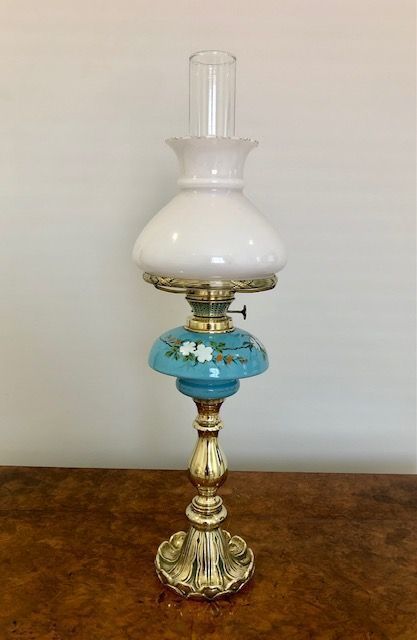
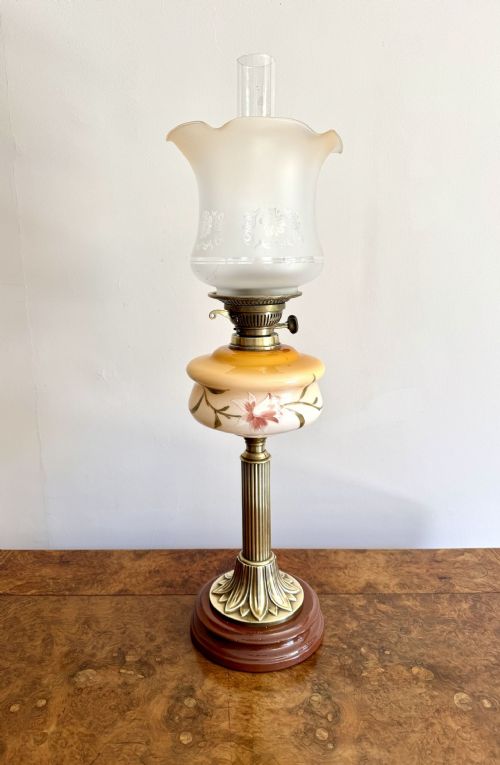
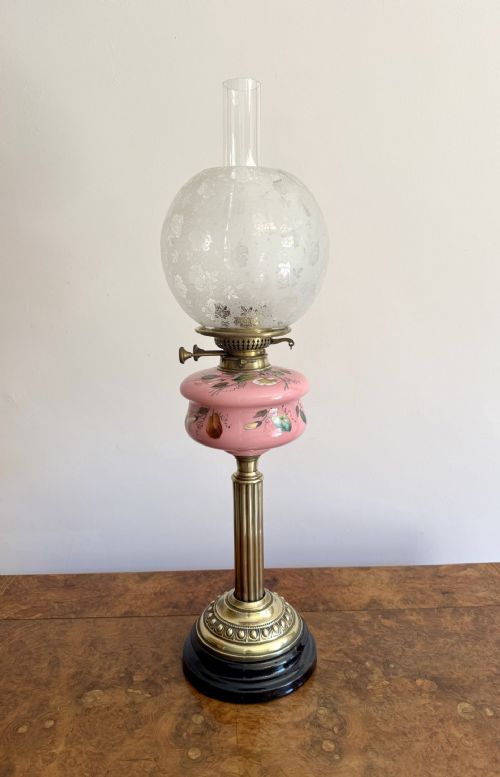
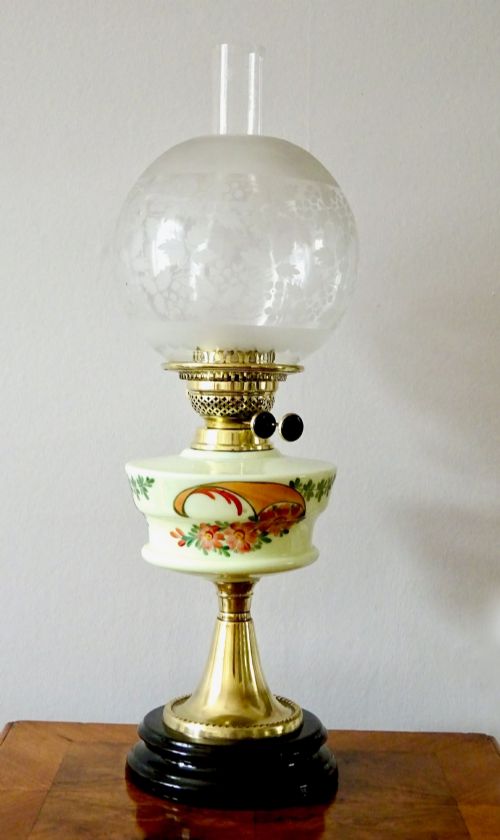
A painted glass shade light comprises hanging fixtures, table lamps, and oil lamps spanning the Victorian, Edwardian, and Art Deco periods. These pieces combine hand-painted glass elements with metals such as brass, forming functional lighting fixtures for the home.
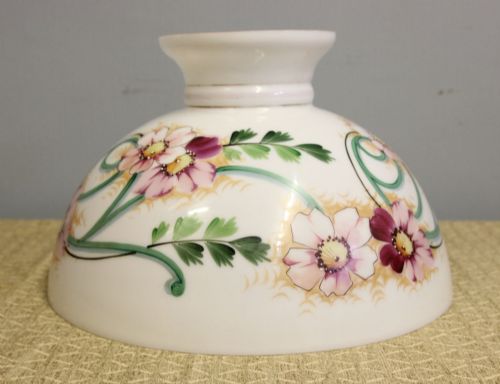
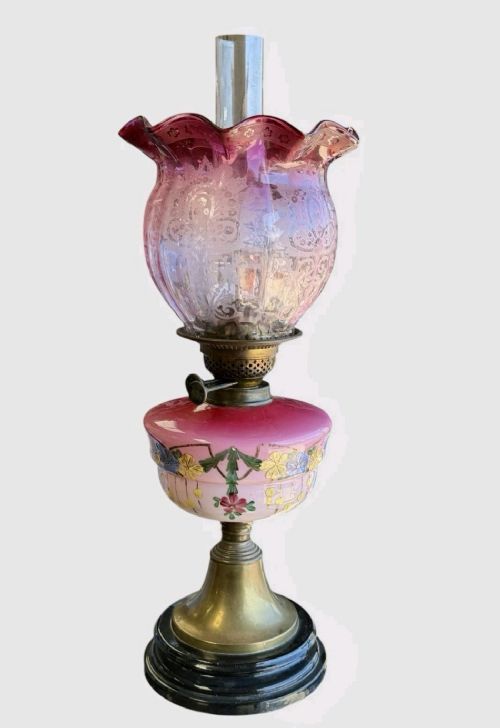
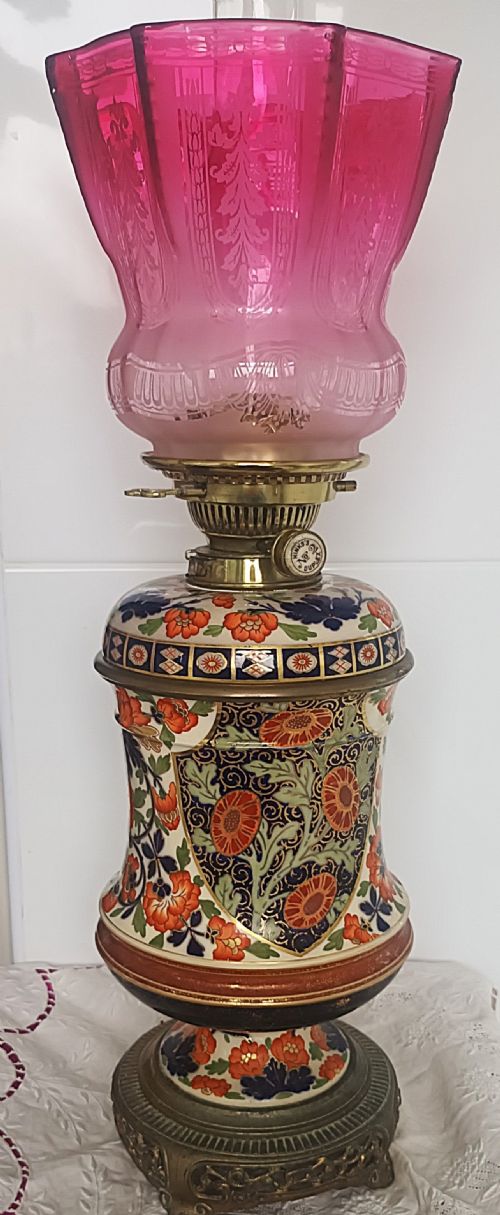
The most common variations on this page include oil lamps with painted fonts and shades, ceiling-suspended plafonniers, and standalone hand-painted glass shades. Materials span opaline glass, cranberry glass, frosted glass, and enamel alongside ceramic and metal components.
Origins stretch from the nineteenth century through the nineteen-thirties, incorporating styles from Neoclassical and French Rococo Revival to Art Nouveau. Buyers encounter everything from tall column oil lamps to central suspended ceiling lights.
Materials and construction methods
Glass is blown or moulded into shades, fonts, and lustres, often utilising opaline, cranberry, or frosted varieties to diffuse illumination. Artisans then apply hand-painted decoration directly onto the glass surfaces.
Metalwork provides structural support through brass bases, columns, and suspension hardware, sometimes complemented by ceramic or porcelain body sections. These diverse materials are joined mechanically to form durable domestic lamps and ceiling fixtures.
Listings span the nineteenth century through the nineteen-thirties, featuring brass, ceramic, and various glass types.
Distinctions in craftsmanship
Quality reveals itself in the precision of the hand-painted decoration upon the glass and the weight and finish of the brass or ceramic mounts. Finer examples display intricate brushwork on the shade or font alongside well-cast metal components.
The harmony between the glass shade and its supporting base or suspension fixture also dictates overall merit. Superior pieces maintain their original matched components across the shade, font, and mounting hardware.
Hinks·Taylor Tunnicliff
The Painted Glass Shade Light Glossary
- Opaline Glass
- A semi-translucent white or tinted glass often used for Victorian lamps and shades. It diffuses light softly while providing a smooth canvas for hand-painted ornamentation.
- Cranberry Glass
- A rich pinkish-red glass created by adding gold to the molten batch. It appears frequently in nineteenth-century oil lamp fonts and shades.
- Plafonnier
- A ceiling-mounted or close-suspended bowl light shade. These fixtures sit flat or close to the ceiling line, frequently appearing in Art Deco and Neoclassical styles.
- Mantel Lustre
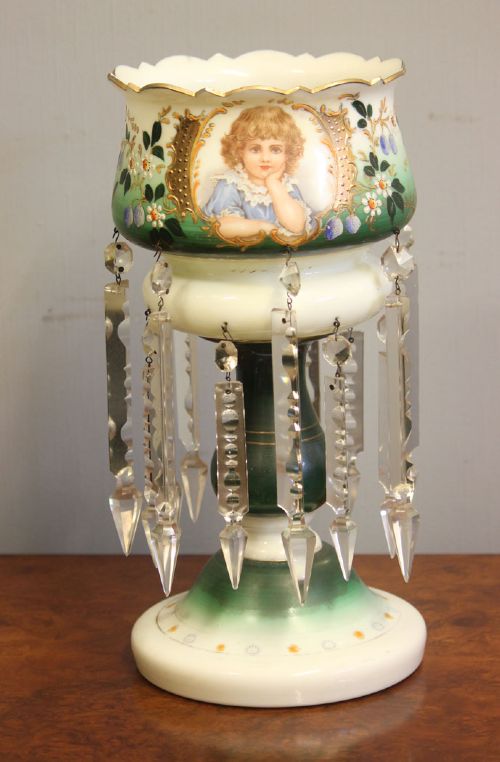
- A decorative tabletop ornament featuring hanging crystal prisms. They share the ceramic and glass materials found in contemporary lighting pieces.
- Duplex
- A type of double-wick burner system found on nineteenth-century oil lamps. It provides increased illumination compared to single-wick alternatives.
Painted Glass Shade Light: Frequently Asked Questions
What is a painted glass shade light?
A painted glass shade light is a vintage or antique lighting fixture featuring a hand-painted glass component, such as an oil lamp shade, pendant, or plafonnier.
These pieces use glass types like opaline and cranberry, mounted on brass, metal, or ceramic bases dating from the Victorian era to the Art Deco period.
How do I identify the period?
Dating relies on stylistic clues, such as heavy brass Corinthian columns and cranberry glass indicating Victorian origins, or geometric forms pointing to the nineteen-twenties and thirties.
Materials and manufacturing techniques also help place a piece within the nineteenth century, Edwardian era, or Art Deco movement.
Were these originally oil lamps?
Many surviving examples started life as oil or paraffin lamps before conversion to electricity or preservation in their original form.
Oil lamps feature fonts to hold fuel beneath burners, while other pieces were designed strictly as ceiling suspensions or table lamps from the outset.
How do I clean the painted glass?
Cleaning requires gentle handling with warm water and mild soap, avoiding harsh abrasives that could damage the hand-painted surface.
Careful wiping preserves the enamel or painted details on opaline, frosted, and cranberry glass shades.