


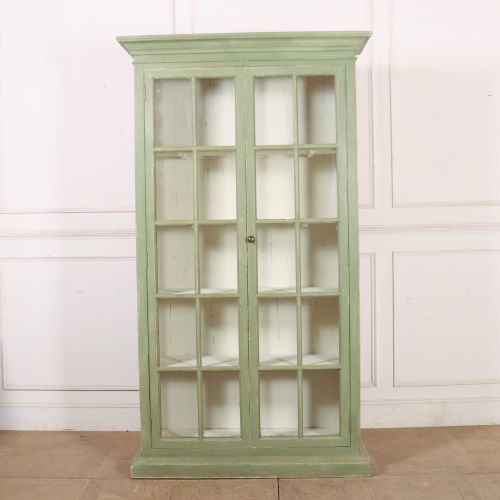
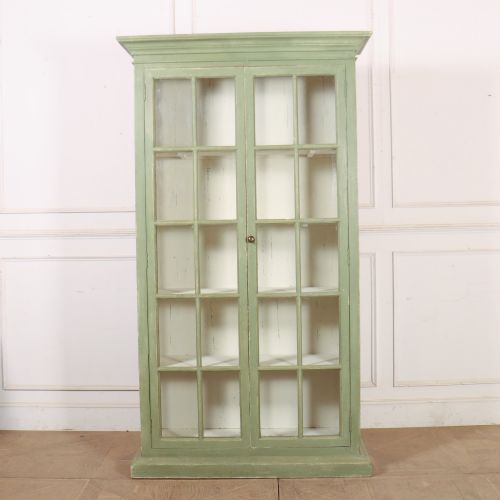

Painted Glass Doors
These painted glass doors bring depth and light to an interior, combining practical division with decorative craftsmanship.
Painted Glass Doors
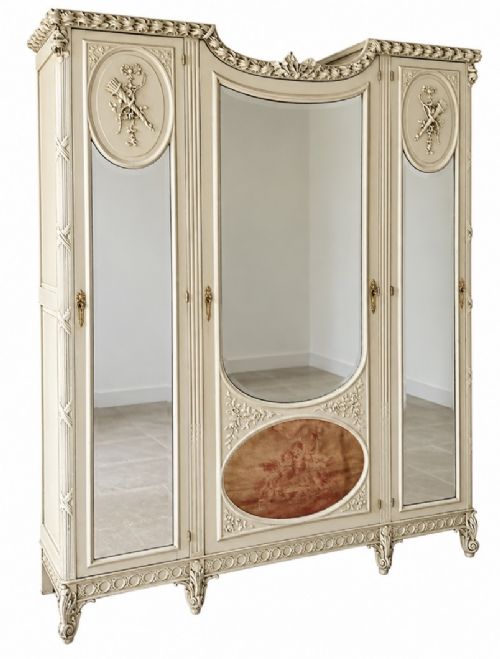
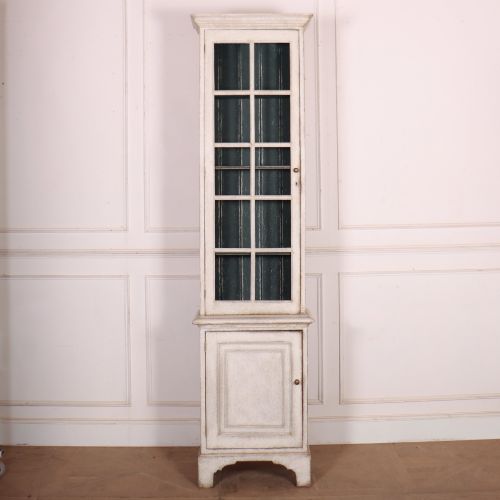
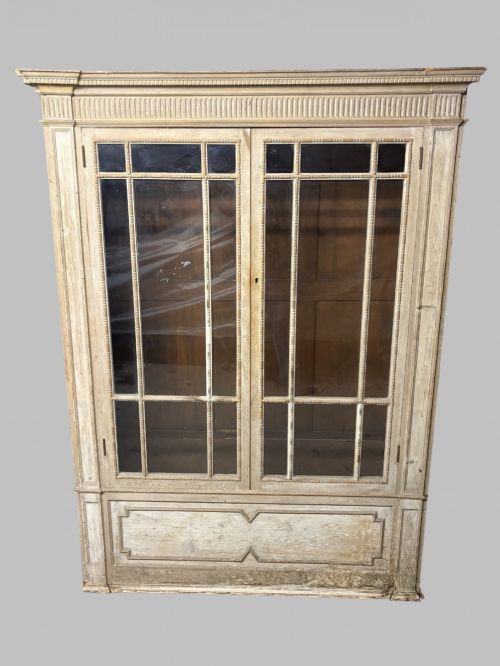
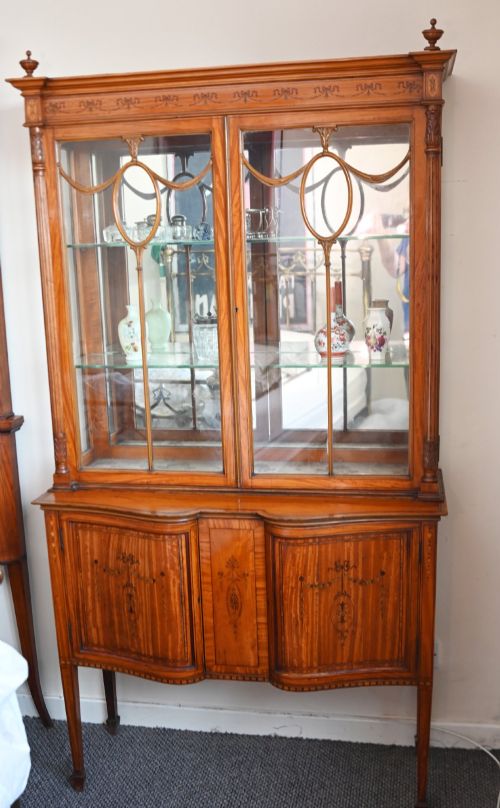
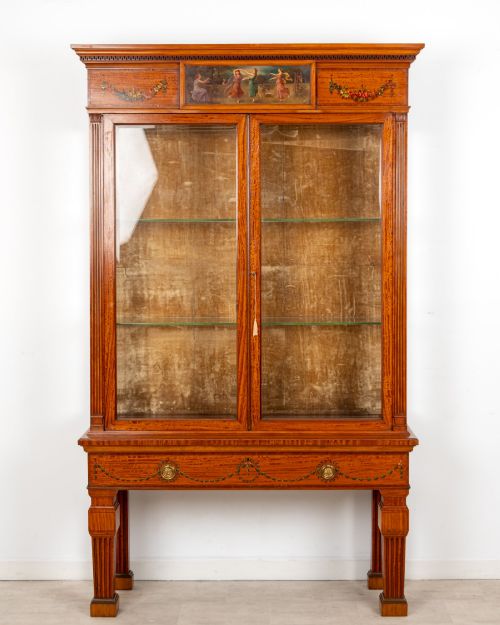
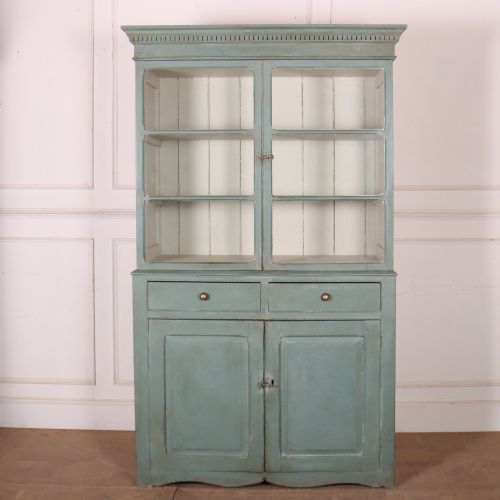
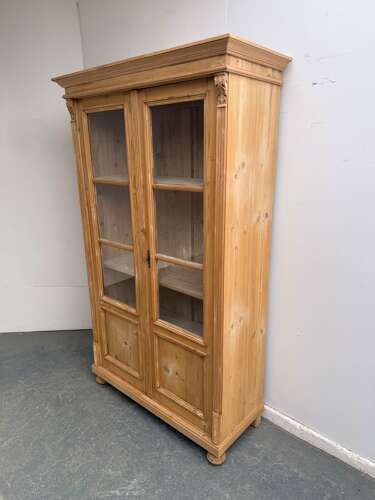
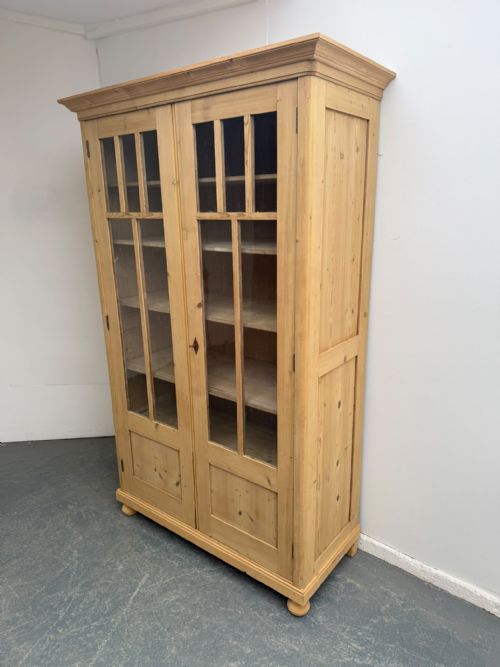
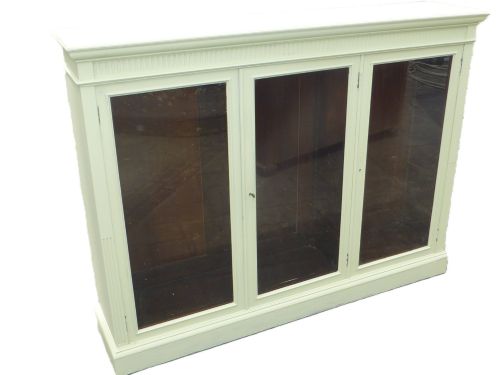
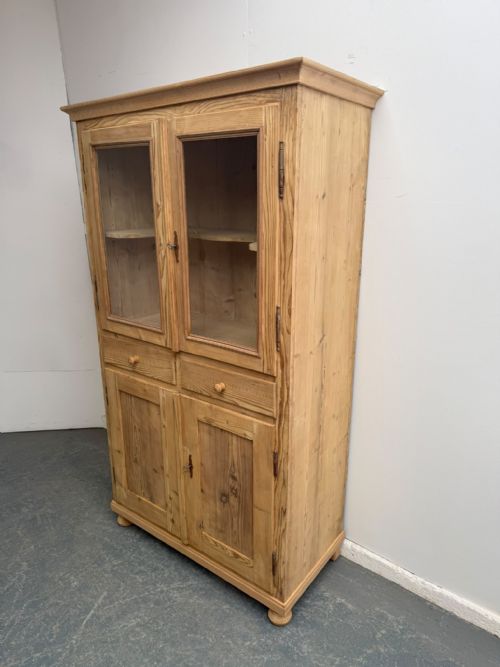
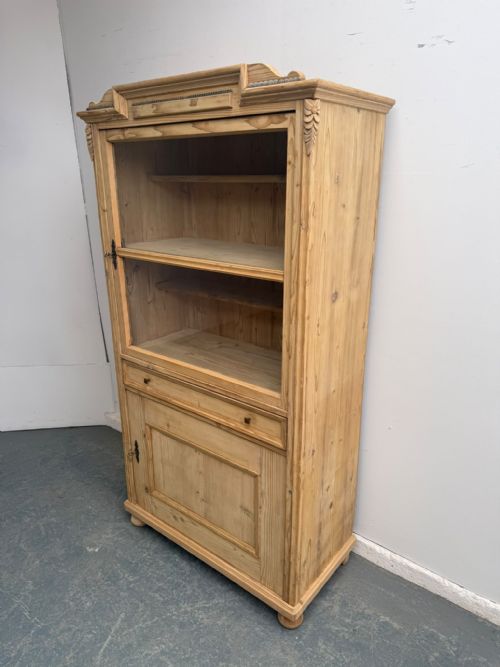
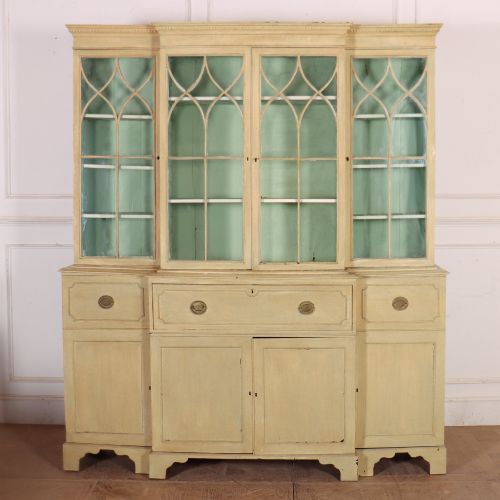
Painted glass doors encompass architectural elements, windows, and cabinetry found on this page under the search phrase painted glass doors. These items primarily appear as Victorian and Edwardian architectural windows, alongside furniture forms like display cabinets and bookcases featuring glazed or glass-panelled doors.
The selection ranges from large Victorian pine storage pieces to delicate satinwood cabinets and architectural panels incorporating leaded and etched glass. Regional influences such as English and Scottish country styles sit alongside French Rococo and Sheraton Revival designs, offering varied aesthetic choices for domestic spaces.
How they were made
Makers constructed these pieces using foundational woods such as pine, walnut, and satinwood, frequently applying paint finishes in black or decorative schemes. Glazing techniques involved leaded came work, etching, and hand-painted scenes depicting countryside views and wildlife.
Hardware components like brass fixings complemented the timber structures, while construction methods varied from robust railway carriage framework to refined cabinet joinery.
Painted Glass Doors Retail Price Guide 2026
Typical asking prices for painted glass doors among the pieces listed under this phrase on Sellingantiques today, from the lower quarter to the upper quarter. They describe what is for sale here now, not the wider market.
Periods represented span from the Georgian era and Victorian times through to Edwardian and 1910 designs.
What varies in quality
The standard of execution in the painted and etched glass panels dictates the visual merit of each piece, distinguishing simple glazing from detailed illustrative work. Superior examples exhibit precise brushwork on pastoral scenes or intricate leaded patterns.
Cabinetry construction varies from utilitarian pine carcases to finely inlaid satinwood furniture with balanced proportions and integrated adjustable shelving systems.
Hampton & Sons
The Painted Glass Doors Glossary
- Came
- A slender grooved strip of lead used to hold pieces of glass together in a window or door. These strips form the geometric or linear framework of the design.
- Vitrine
- A glass-fronted cabinet designed for displaying fine objects or books. These pieces often feature decorative painted surfaces or rococo motifs.
- Satinwood
- A durable, lustrous timber native to India and Ceylon, prized for furniture in the Sheraton Revival style. It provides a pale, smooth ground for painted decoration.
- Breakfront
- A piece of furniture where the central section projects forward from the flanking outer sections. This architectural arrangement adds visual depth to large bookcases and side cabinets.
Painted Glass Doors: Frequently Asked Questions
How do I clean painted glass panels?
Clean painted glass surfaces gently using a soft, dry cloth or a mild, non-ammonia cleaner applied sparingly. Avoid harsh abrasives that could damage the hand-painted details or etched areas.
Take care around leaded joints and painted wooden frames to prevent moisture ingress into the historic materials.
Can these doors be used in modern rooms?
These doors and cabinets integrate well into contemporary interiors as statement room dividers, architectural window inserts, or functional storage units. Their painted finishes and textured glass introduce historical character and muted colour to neutral spaces.
Ensure adequate structural support when hanging heavy architectural doors or mounting glass-panelled fixtures into modern walls.
What periods do these pieces come from?
The inventory spans the Georgian era, the Victorian period, and the early twentieth century around 1900 and 1910. Styles range from Georgian and Victorian Gothic Revival to Edwardian and Art Nouveau designs.
Each period utilises specific construction traits, from robust early nineteenth-century pine to refined satinwood inlay of the Sheraton Revival.
Where were these glass pieces originally fitted?
Many items originated as interior or exterior architectural elements, including railway carriage doors, bathroom utility doors, and exterior windows. Others served domestic functions within display cabinets, kitchen dressers, and library bookcases.
This variety reflects both domestic and transit applications from the nineteenth and early twentieth centuries.