

Painted Fruit Bowl
A painted fruit bowl brings together vibrant palettes and domestic display, spanning porcelain vessels and oil on canvas still lifes.
Painted Fruit Bowl
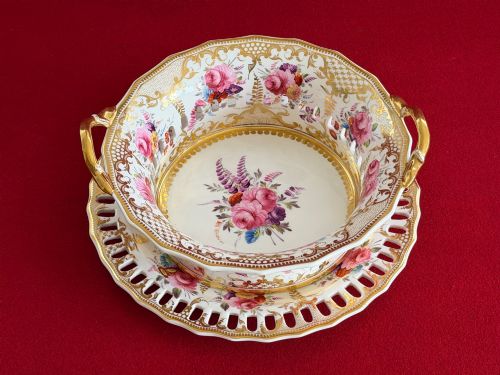
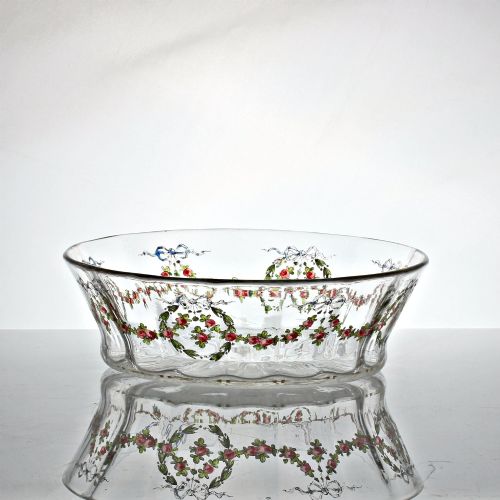
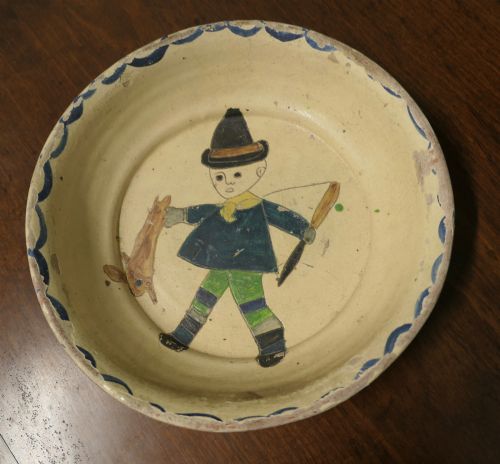
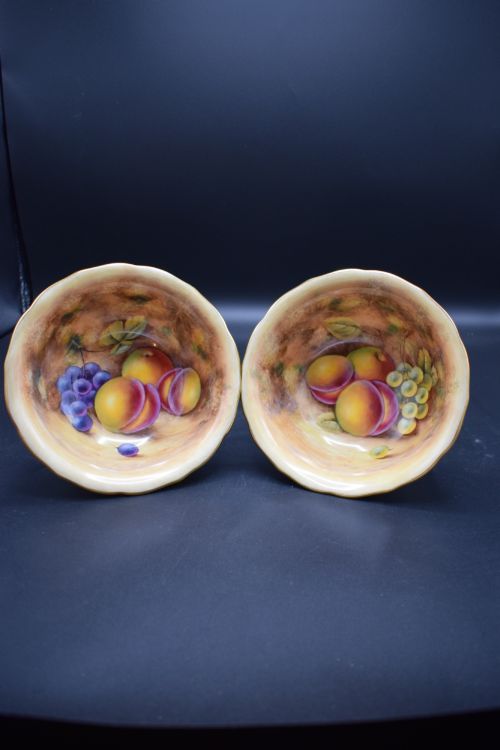
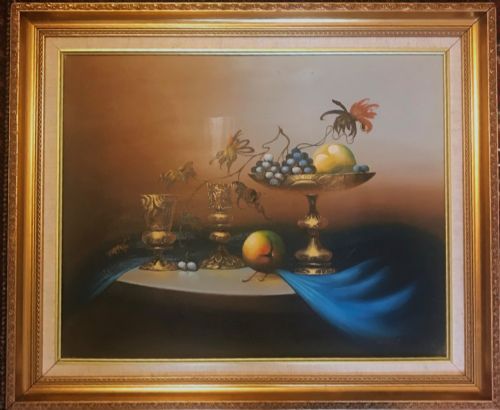
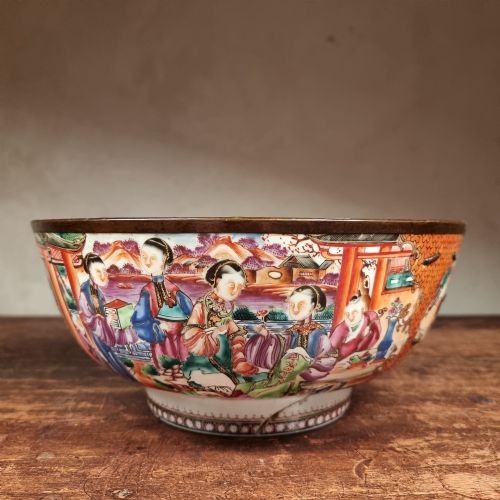
A painted fruit bowl encompasses ceramic vessels and canvas paintings depicting produce across various periods. When exploring this phrase, buyers encounter both three-dimensional porcelain and earthenware receptacles alongside two-dimensional oil on canvas representations.
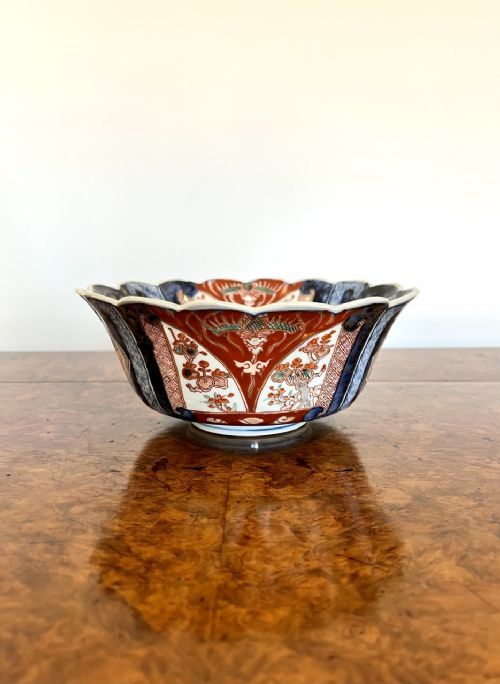
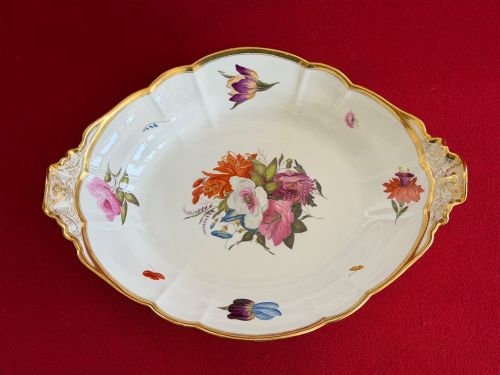
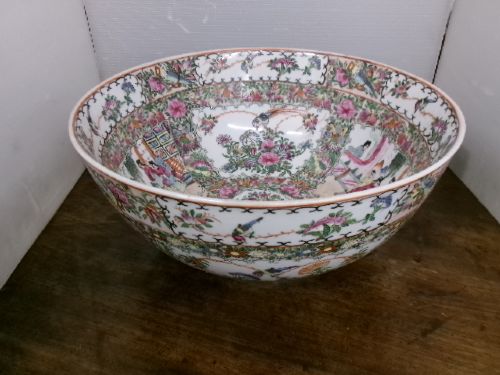
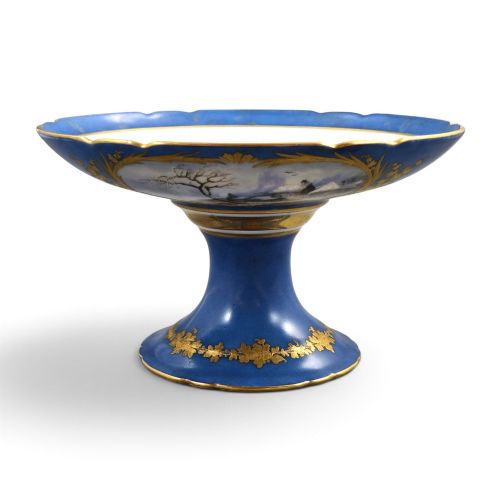
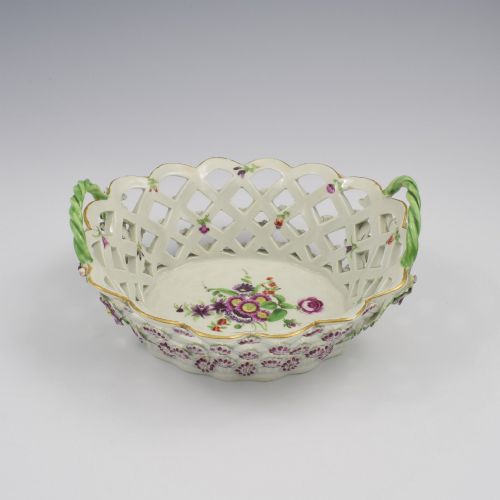
The selections range from nineteenth-century Chinese export and Japanese Imari porcelain to eighteenth-century English porcelain and twentieth-century European pottery. Centrepieces, pedestal bowls, and still life paintings dominate the available forms.
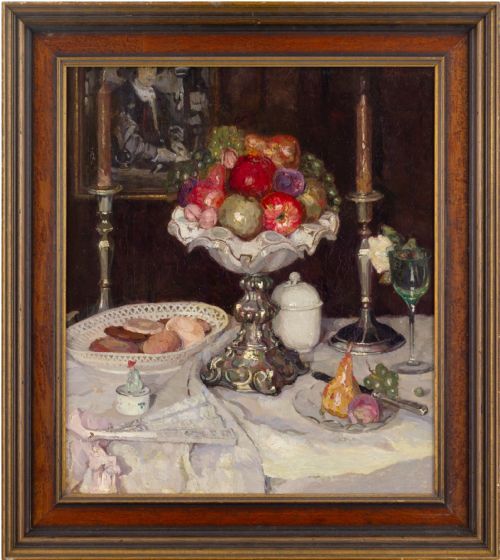
Vessels span domestic table use to cabinet display, while paintings capture bountiful banquets and simple groupings of apples and grapes. These items reflect traditional craftsmanship from diverse global workshops.
Materials and Technique
Pottery and porcelain pieces utilise clay bodies finished with hand-applied pigments, enamel, and sometimes gold leaf or gilt details. Artisans shaped vessels on the wheel or in moulds before firing and hand-painting intricate motifs.
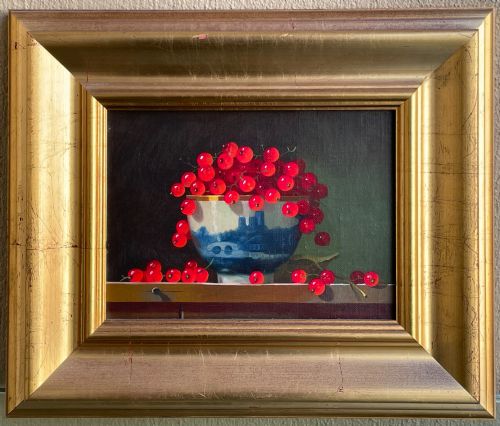
Paintings employ oil on canvas or watercolour media to render rich textures and light upon fruit and tableware. Artisans combined traditional glazing and brushwork techniques suited to each specific era and regional workshop.
Painted Fruit Bowl Retail Price Guide 2026
Typical asking prices for painted fruit bowl among the pieces listed under this phrase on Sellingantiques today, from the lower quarter to the upper quarter. They describe what is for sale here now, not the wider market.
The selection includes traditional forms such as pedestal bowls, cabinet dishes, and still life paintings of fruit and banquets.
Evaluating Craftsmanship
Quality rests upon the precision of the hand-painted brushwork and the finesse of the underlying ceramic body or canvas preparation. Superior examples display delicate control of polychrome glazes and harmonious composition.
The clarity of detail in motifs, such as floral patterns or fruit rendering, separates masterwork productions from standard domestic wares. Condition of the painted surface and preservation of gilt accents further define the tier of a piece.
Jozsef Molnar·Else Preußner·Ian Parker·James Tower·Bela Balogh·David Dewsberry·J. Southall·J. Smith·Kozan
The Painted Fruit Bowl Glossary
- Imari
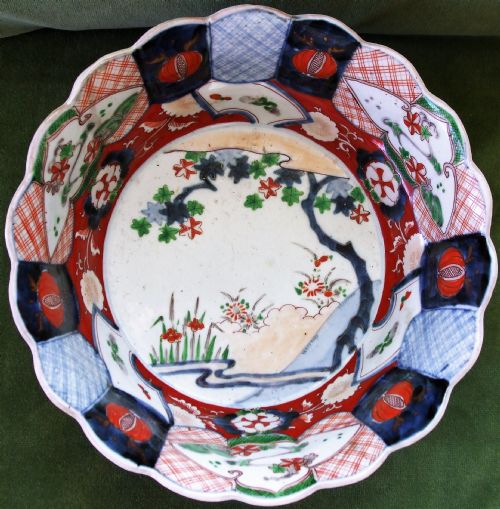
- A style of Japanese porcelain decorated in underglaze blue and overglaze red, gold, and other colours. This distinctive aesthetic originated during the Edo period and gained popularity in European export markets.
- Famille Rose
- A palette of Chinese porcelain enamels featuring opaque pink and other soft hues. Introduced in the Qing dynasty, it allowed for nuanced shading and detailed pictorial designs.
- Centrepiece
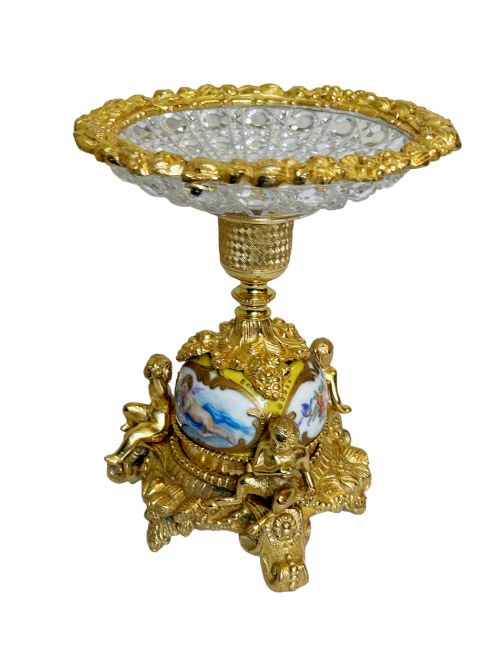
- A large decorative vessel placed in the middle of a dining table or cabinet. These often take the form of footed bowls or elaborate porcelain stands.
- Ironstone
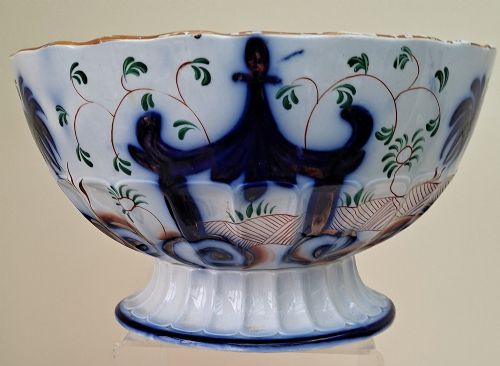
- A type of durable earthenware patented in the nineteenth century. It bridges the gap between common pottery and fine porcelain through heavy-duty ceramic composition.
- Tazza
- An Italian term for a shallow bowl or cup mounted on a stem and foot. Such vessels were traditionally used for serving fruit or sweets on formal tables.
Painted Fruit Bowl: Frequently Asked Questions
How were antique fruit bowls used?
Historic households utilised these vessels for serving fresh produce or displaying sweetmeats during formal dining occasions. Larger footed versions often sat as permanent decorative centrepieces on tables or sideboards.
Over time, many transitioned into pure cabinet display pieces, appreciated for their intricate painted surfaces rather than functional utility.
How do I identify a Meiji period bowl?
Meiji period Japanese bowls typically display dense decorative schemes, such as Imari or Satsuma patterns, reflecting the artistic output between eighteen sixty-eight and nineteen twelve. Look for specific hand-painted motifs and artist signatures on the base.
The craftsmanship from this era often combines traditional Japanese aesthetics with techniques influenced by international export demand.
Can I use an antique painted bowl for food?
Most antique painted bowls are best reserved for display rather than active food service. Overglaze enamels and older ceramic glazes can wear down or react poorly to modern detergents and acidic foods.
Gentle dry cleaning is recommended to preserve the delicate hand-painted fruit motifs and gilt edges.