





Painted Dressing Glass
A painted dressing glass sits on a bureau or vanity, offering both a reflective surface and a decorative object that collectors value for its period craftsmanship.
Painted Dressing Glass
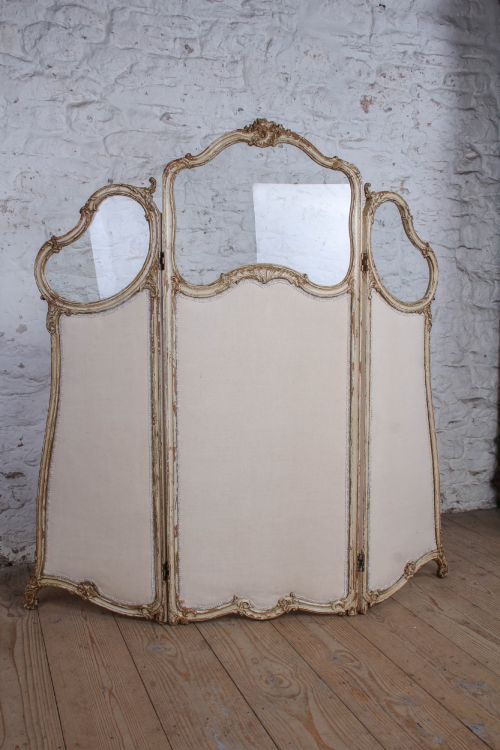
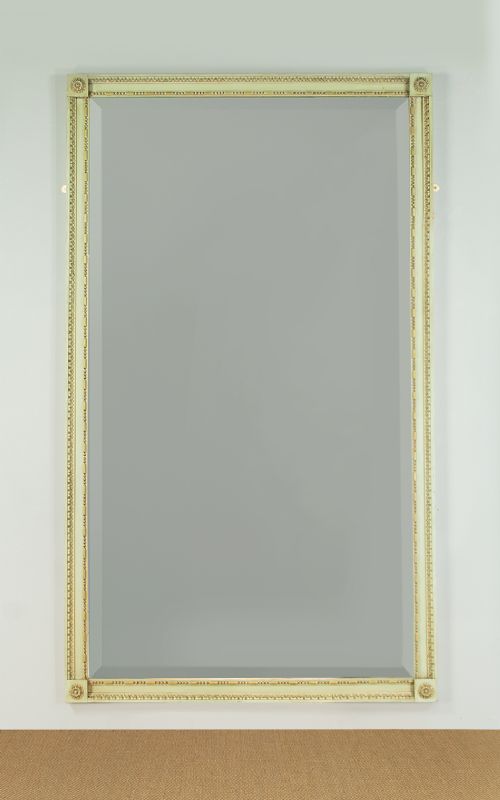
When you search for painted dressing glass, you encounter a selection of mirrors, screens, and jars produced across the Georgian, Regency, Victorian, and Edwardian eras. These objects combine utilitarian glass surfaces with decorative painted finishes, often incorporating wood, gesso, and enamel elements.
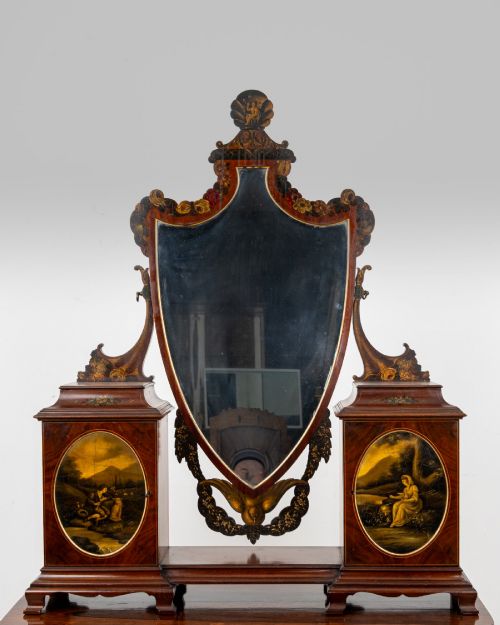
The pieces on this page span several decades, featuring table top cheval mirrors, vanity jars, and dressing screens. French styles such as Louis XV Revival sit alongside English Regency and Georgian examples, showing diverse regional interpretations of the form.
How they were made
Wood provides the structural foundation for many of these pieces, shaped and joined with carved wood and gesso to create ornate frames and cabinets. Craftsmen applied paint and pigment directly to wooden surfaces, sometimes enhancing them with gilt or inlay.
Glass forms the central functional element, appearing as silver-mounted cut glass or as the ground for reverse glass prints and silhouettes. Enamel and hand-painted porcelain plaques add delicate surface detail to metal and glass containers.
Painted Dressing Glass Retail Price Guide 2026
Typical asking prices for painted dressing glass among the pieces listed under this phrase on Sellingantiques today, from the lower quarter to the upper quarter. They describe what is for sale here now, not the wider market.
What varies in quality
The refinement of the painted decoration dictates much of the distinction between ordinary and superior examples. Fine brushwork on porcelain plaques, silhouettes, and reverse glass prints shows a steady hand and careful attention to detail.
Structural execution also separates pieces, visible in the depth of carved wood and gesso ornamentation compared to simpler mouldings. The integration of materials, such as ormolu mounts and sterling silver fittings, elevates the overall execution.
The Painted Dressing Glass Glossary
- Cheval mirror
- A freestanding full-length or table top mirror suspended on a frame that allows it to tilt. These often incorporate small cabinets or drawers at the base.
- Reverse glass print
- An image applied or painted directly onto the back of a piece of glass so that it is viewed through the front. This technique protects the pigment from dust and damage.
- Gesso
- A plaster-like mixture applied to wood surfaces and carved or moulded into decorative reliefs before painting or gilding. It creates crisp details on picture and mirror frames.
- Ormolu
- Gilded bronze used for decorative mounts and fittings on furniture and mirrors. It gained popularity in French revival pieces of the nineteenth century.
- Enamel
- A vitreous composition fused to metal or glass surfaces through firing, producing a smooth, glossy decorative finish. It appears frequently on nineteenth-century vanity jars.
Painted Dressing Glass: Frequently Asked Questions
What is a dressing glass?
A dressing glass is a small table mirror designed to assist with grooming and personal care. They often sit on top of dressing tables or chests of drawers.
Over time, these objects evolved to include small drawers, jewellery compartments, and decorative painted or inlaid frames that matched contemporary interiors.
How do I date a painted dressing glass?
Dating relies on observing stylistic markers, framing techniques, and materials such as gesso, enamel, or specific types of wood. Georgian and Regency pieces tend to show restrained classical lines, whereas Victorian and Edwardian examples often feature revival styles and heavier ornamentation.
Examining the reverse of the glass, the backing boards, and the fixings provides further clues to the manufacturing period.
Where were these pieces used?
These items belonged primarily in bedrooms, dressing rooms, and boudoirs where personal grooming took place. Vanity jars and mirrors sat upon dressing tables alongside other toilet services.
Some pieces, such as dressing screens and decorative jars, also served to partition spaces or add colour to private chambers.
How do I care for painted glass and wood?
Keep painted dressing glasses away from direct sunlight and excessive moisture to protect the pigments, gesso, and wood framing. Dust gently with a dry, soft cloth without using harsh chemical cleaners.
Handle mirror frames and metal mounts carefully to preserve delicate painted surfaces and gilt details.