

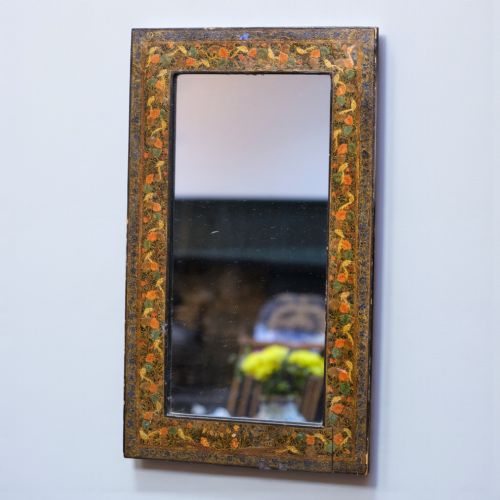
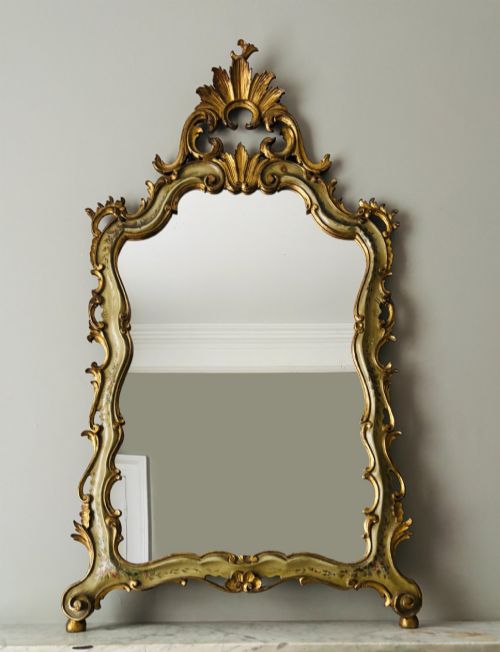
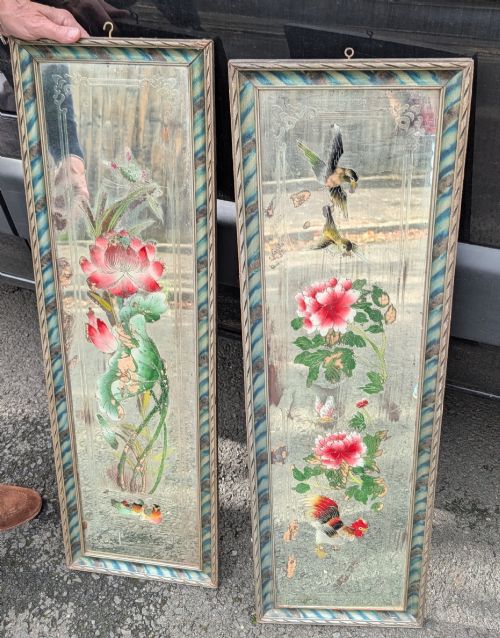
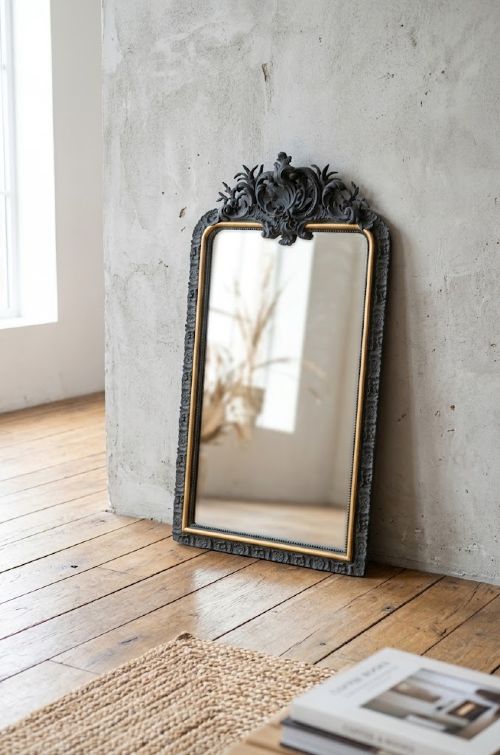
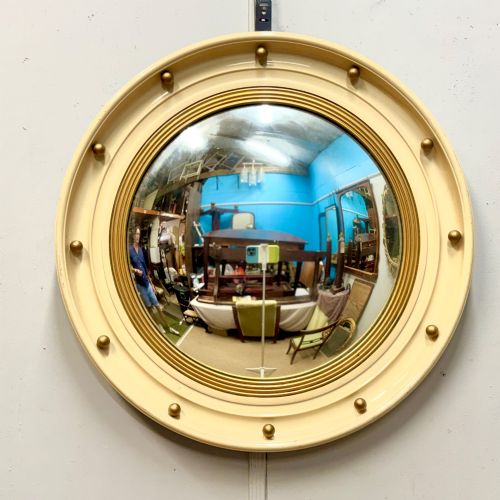
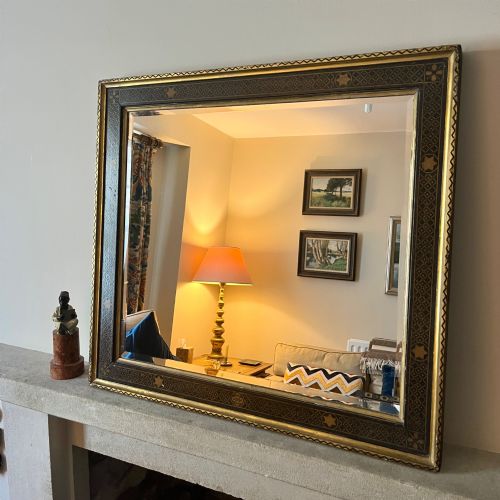
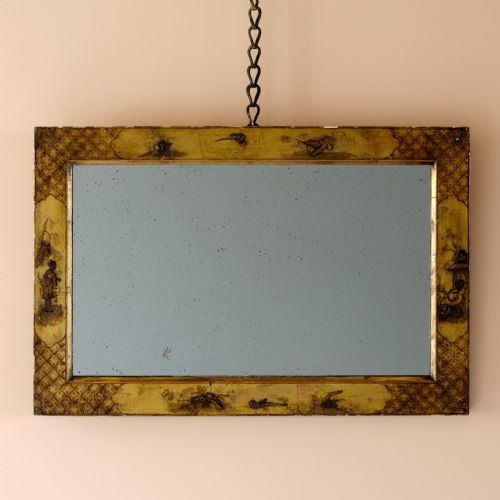

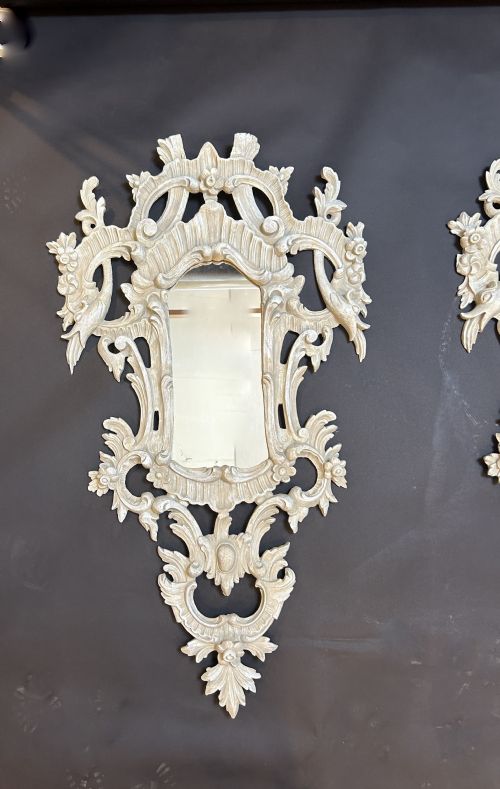
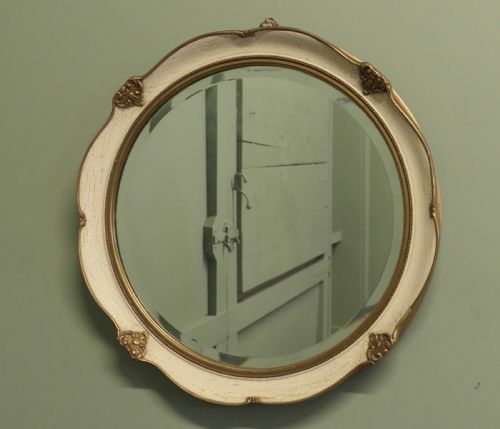


Painted Decorative Wall Mirror
A painted decorative wall mirror brings colour and reflection together, offering an instant focal point for any room.
Painted Decorative Wall Mirror
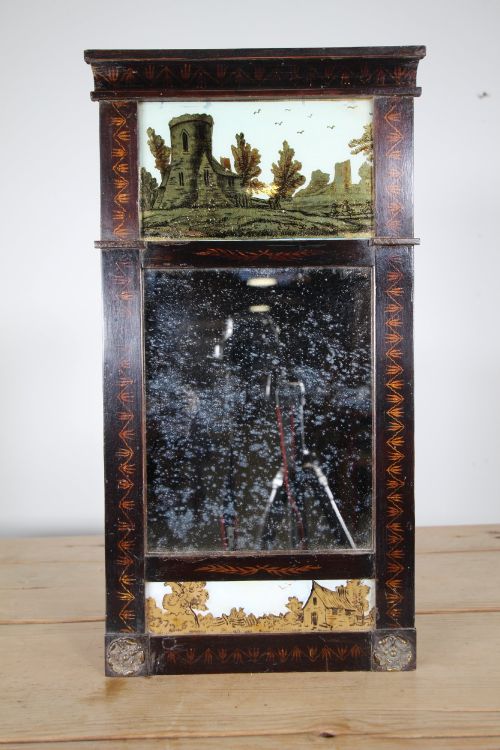
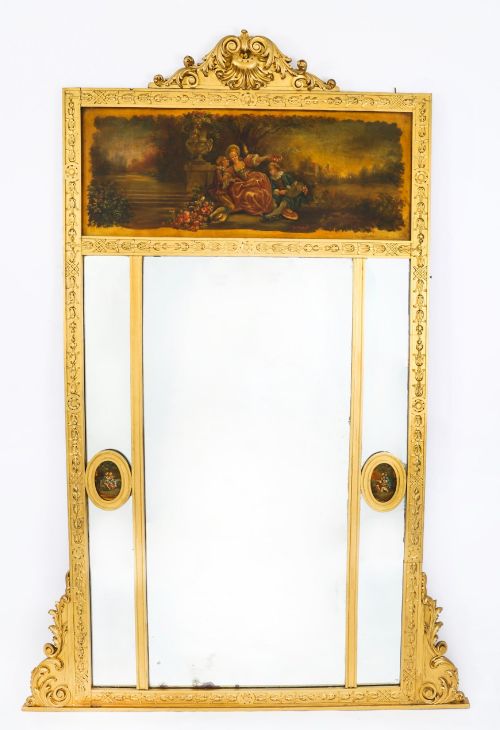
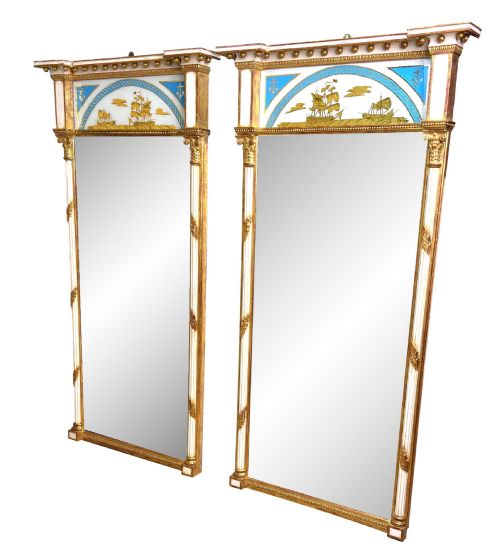
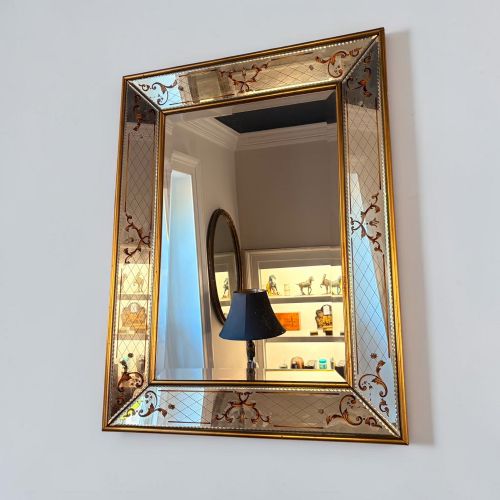
A painted decorative wall mirror combines functional glass with artistic surface finishes, serving as both a practical looking glass and a striking room accent. When searching for a painted decorative wall mirror, buyers encounter a rich variety of forms including tall pier glasses, wide overmantels, and ornate trumeau panels.
The selection ranges widely across nineteenth and early twentieth century examples, drawing heavily on French Chateau, Chinoiserie, and Rococo Revival design vocabularies. Continental and English workshops produced these pieces to elevate domestic interiors through painted highlights, gilt details, and carved woodwork.
Overmantel mirrors and wall hanging variants dominate the selection, often featuring floral motifs, mythological relief panels, or classical architectural framing. These items bring historical depth to modern spaces by uniting traditional craftsmanship with decorative painted surfaces.
How They Were Made
Wood and gesso form the foundational structure of these pieces, providing a stable base for intricate carved details and applied ornament. Artisans shaped timber frames before layering gesso to build up smooth surfaces for subsequent gilding and painting.
Paint finishes range from simple cream and black ebonised coats to complex hand-painted floral scenes and Chinoiserie motifs. Gold leaf and parcel gilt highlights frequently accent the painted areas, catching the light alongside silvered or convex mirror glass.
Painted Decorative Wall Mirror Retail Price Guide 2026
Typical asking prices for painted decorative wall mirror among the pieces listed under this phrase on Sellingantiques today, from the lower quarter to the upper quarter. They describe what is for sale here now, not the wider market.
Some nineteenth-century mirrors secretly double as conversation starters by sneaking playful dragons and plump cherubs into the painted scrollwork.
What Varies in Quality
The depth and execution of the carved ornamentation distinguish finer examples from simpler commercial production. Crisp relief work in the gesso and wood reveals the hand of a skilled artisan rather than mass-produced moulding.
The harmony between the paint finish and the underlying gilding dictates the visual success of the piece. Superior items maintain balanced patination where original painted details complement the aged character of the mirror glass and frame.
The Painted Decorative Wall Mirror Glossary
- Trumeau mirror
- A decorative wall mirror fitted into a wooden wall panel or overmantel, frequently incorporating painted scenes or carved reliefs above the glass.
- Pier mirror
- A tall mirror specifically designed to hang on the narrow stretch of wall between two windows, often paired with a console table.
- Gesso
- A plaster-like mixture applied to wooden frames as a smooth base for paint, gold leaf, and intricate relief moulding.
- Chinoiserie
- A European decorative style reflecting Chinese artistic influences, commonly seen in painted motifs depicting figures, landscapes, and pagodas.
- Overmantel mirror
- A wide horizontal mirror built to sit directly above a fireplace mantelpiece, designed to reflect light and fill the upper wall space.
Painted Decorative Wall Mirror: Frequently Asked Questions
How do I hang a heavy antique mirror?
Heavy frames require secure wall fixings distributed evenly to support the combined weight of the wood and glass safely.
Professional installation is recommended for large overmantel or pier mirrors to ensure the fixings engage directly with structural wall studs.
Are the mirror plates original?
Many antique pieces retain their original glass, which often displays charming foxing, minor speckling, and gentle distortion.
Replacement glass does appear in some pieces where the original silvering degraded beyond practical use over the decades.
How do I clean a painted and gilt frame?
Dust the carved surfaces gently with a soft, dry brush to prevent accumulation without disturbing delicate paint layers.
Avoid liquid cleaners and harsh chemicals entirely, as moisture can strip historic paint finishes and damage applied gold leaf.
What is a trumeau mirror used for?
Historical interiors utilised these integrated wall panels to add architectural symmetry and bounce natural light around formal reception rooms.
Today they serve as dramatic focal points above fireplaces or low sideboards, combining painting and reflection in a single fixture.