


Painted Bureau Chest Drawers
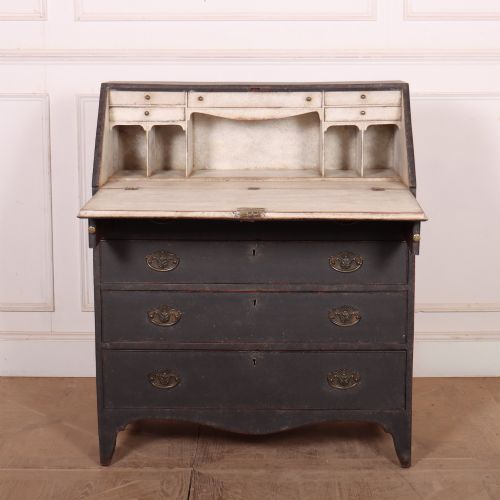
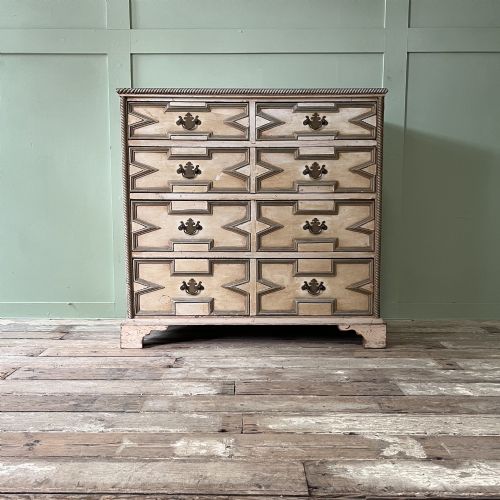
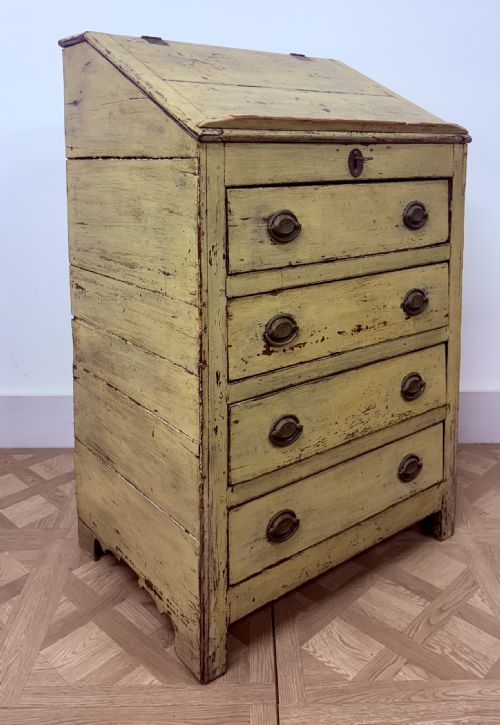
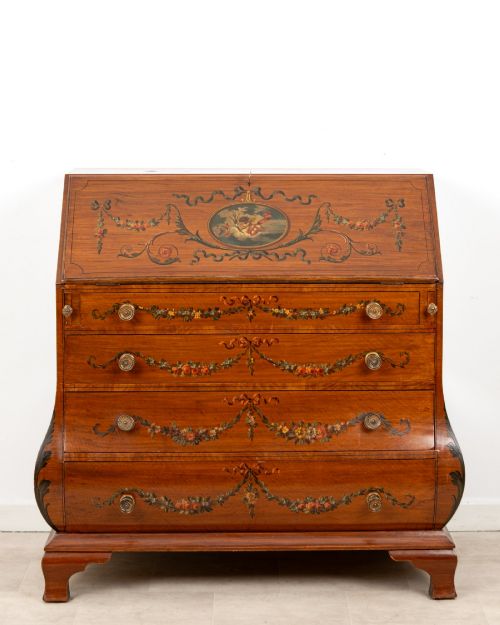
These painted bureau chest drawers combine practical storage with decorative painted surfaces, offering both a writing surface and deep drawers for domestic use.
Painted Bureau Chest Drawers
When searching for painted bureau chest drawers, buyers encounter pieces that merge standard drawer storage with a fitted writing compartment, often referred to as bureaux or secretaires. These items emerge primarily from the 18th century, Georgian, Regency, and Victorian periods, with significant regional variations including English country and Swedish Gustavian styles.
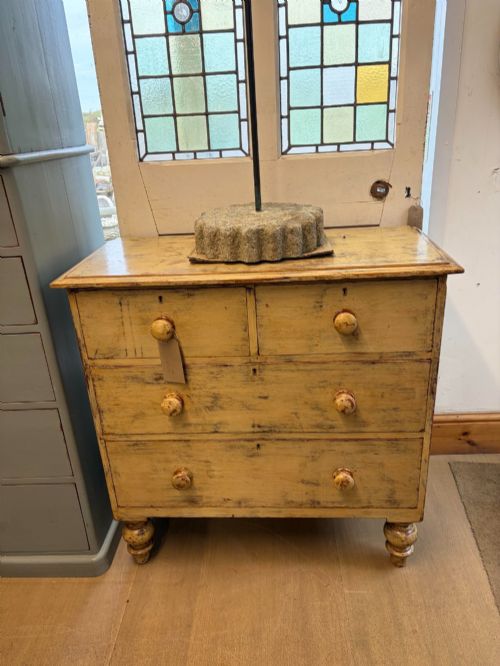
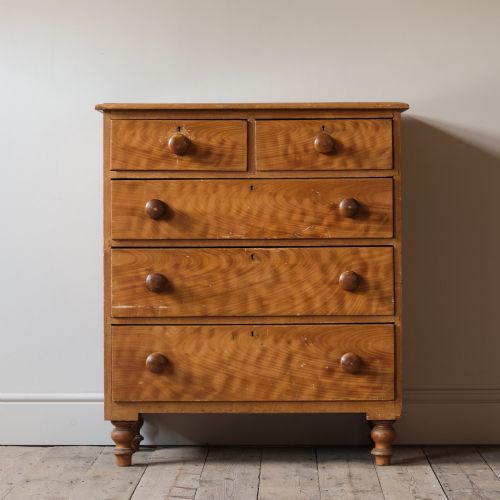
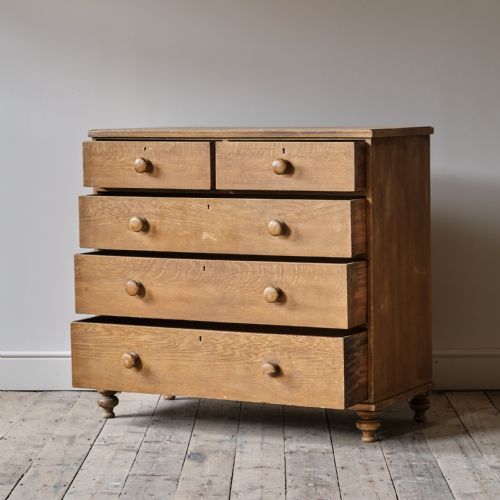
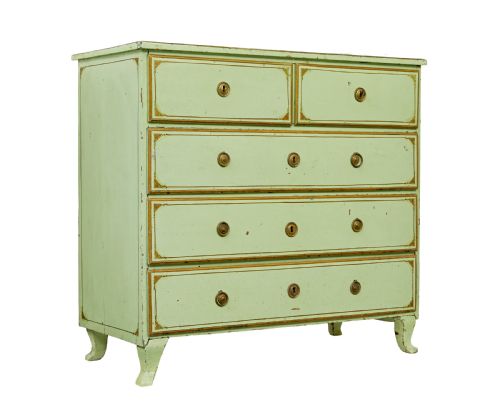
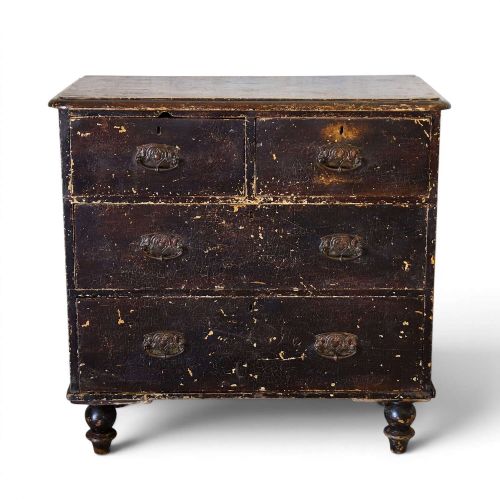
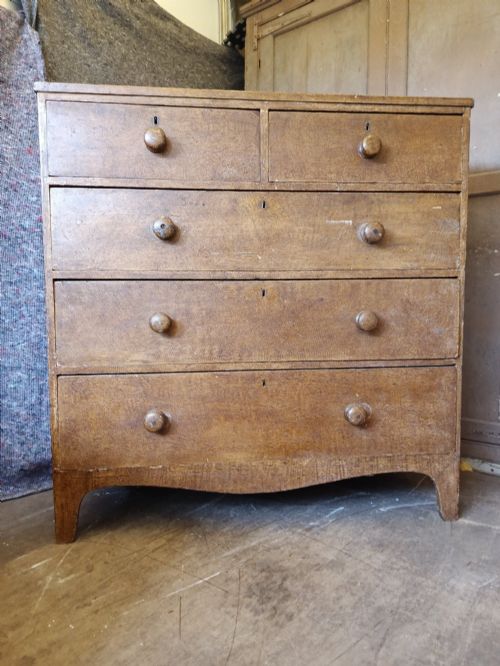
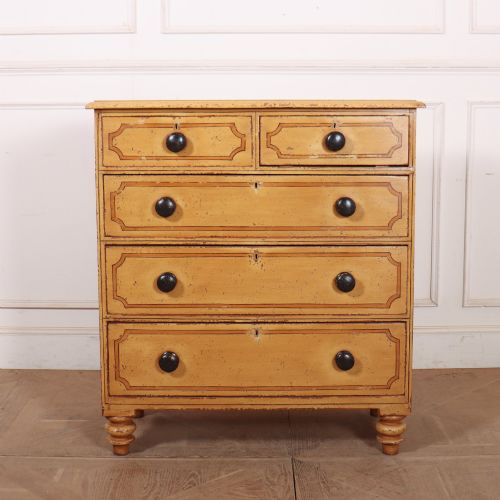
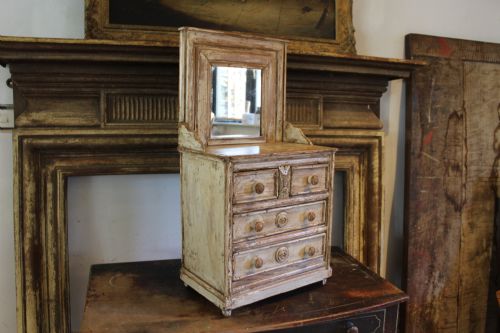
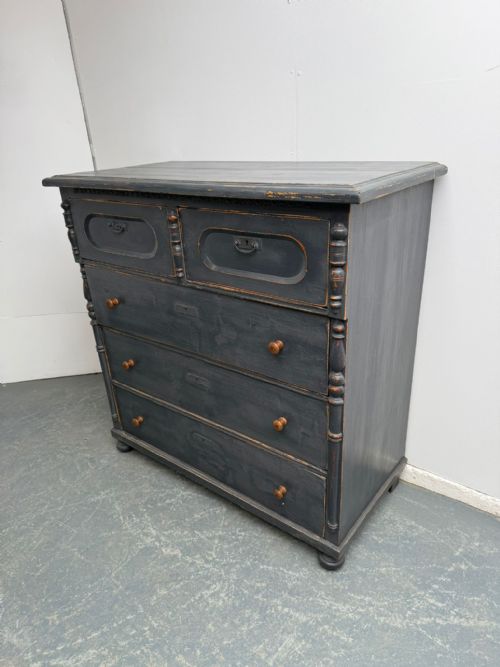
The versions most commonly met on this page are constructed from pine and painted wood, spanning forms such as tallboys, miniature apprentice chests, and standard chests of drawers with writing slopes. Makers from various European traditions utilised paint, brass hardware, and iron fittings to finish these domestic furnishings.
How they were made
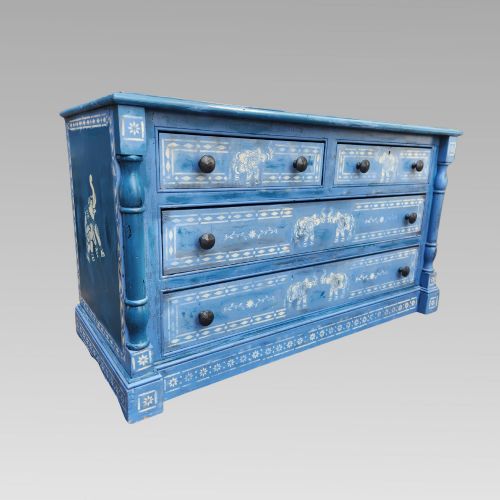
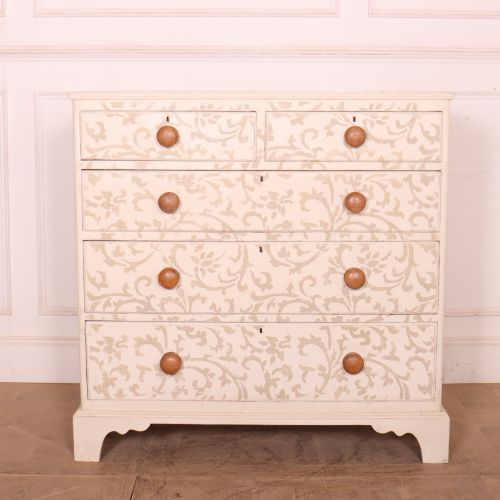
Construction relies heavily on pine and painted wood, shaped into chests, tallboys, and bureaux using traditional joinery methods. Surfaces receive coats of paint, scumble finishes, or stencilling, sometimes applied over satinwood or satin birch.
Hardware elements like brass pulls, iron handles, and occasional glass components secure the functional sections, while decorative schemes range from provincial English finishes to Swedish neoclassical motifs.
Painted Bureau Chest Drawers Retail Price Guide 2026
Typical asking prices for painted bureau chest drawers among the pieces listed under this phrase on Sellingantiques today, from the lower quarter to the upper quarter. They describe what is for sale here now, not the wider market.
Listings feature pine and painted wood pieces spanning the 18th, 19th, and early 20th centuries, including Edwardian and Victorian examples.
What varies in quality
Quality differences rest in the preservation of original paint surfaces versus later overpainting, alongside the refinement of the underlying woodwork in pine and other timbers. Pieces retaining genuine period finishes or distinct provincial decorative work stand apart from heavily altered examples.
The sophistication of the form, whether a complex secretaire tallboy, a provincial English writing slope chest, or a Gustavian commode, dictates the level of craftsmanship evident in the execution.
Sir Clough Williams-Ellis
The Painted Bureau Chest Drawers Glossary
- Bureau
- A desk with a sloping lid that opens to reveal compartments for writing materials, often incorporated into a chest of drawers.
- Tallboy
- A tall chest of drawers consisting of one chest stacked on top of another, providing substantial vertical storage.
- Scumble paint
- A translucent or broken colour glaze applied over a base coat to create mottled or textured decorative effects on wood.
- Gustavian
- The Swedish interpretation of French neoclassical style, characterised by restrained carving, pale painted finishes, and elegant proportions.
- Secretaire
- A piece of furniture containing a drawer or compartment that pulls out or folds down to form a writing desk.
Painted Bureau Chest Drawers: Frequently Asked Questions
What is a bureau chest of drawers?
A bureau chest of drawers combines a traditional set of storage drawers with an integrated writing compartment, usually featuring a fold-down or sloping lid.
Inside this compartment, smaller pigeonholes and miniature drawers organise letters and writing implements.
How do I identify a Gustavian piece?
Gustavian pieces originate from Sweden and reflect a lighter, neoclassical aesthetic influenced by French design.
They typically feature pale painted finishes, subtle fluting, and restrained ornamentation rather than heavy dark timber.
Where were these pieces used?
These items served primarily in bedrooms, studies, and drawing rooms as dual-purpose furniture for storage and correspondence.
Their painted finishes suited domestic interiors across English country houses and continental European homes alike.
What does original paint mean?
Original paint refers to the initial decorative surface applied to the timber when the piece was first manufactured.
Surviving examples show authentic patina, wear patterns, and colour layers that accumulated over centuries of use.