


Painted Bronze Sculpture
These painted bronze sculpture pieces combine cast metal with applied polychrome surface detail, bringing vibrant character to animal figures and human subjects alike.
Painted Bronze Sculpture
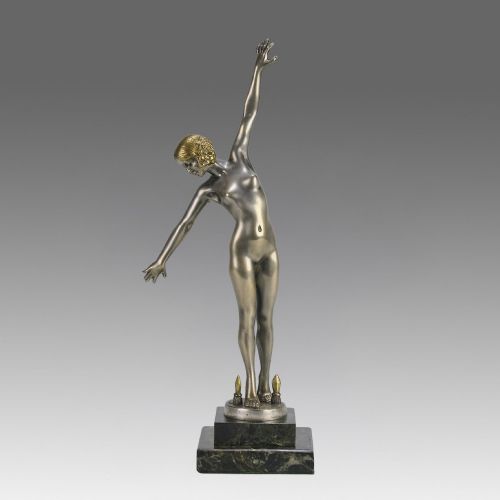
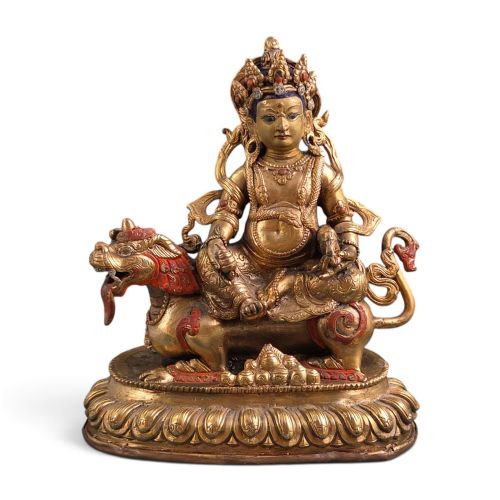
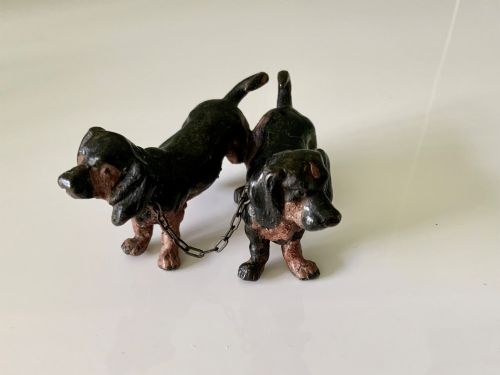
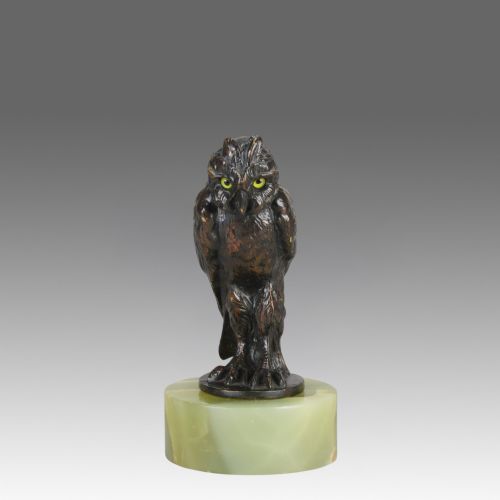
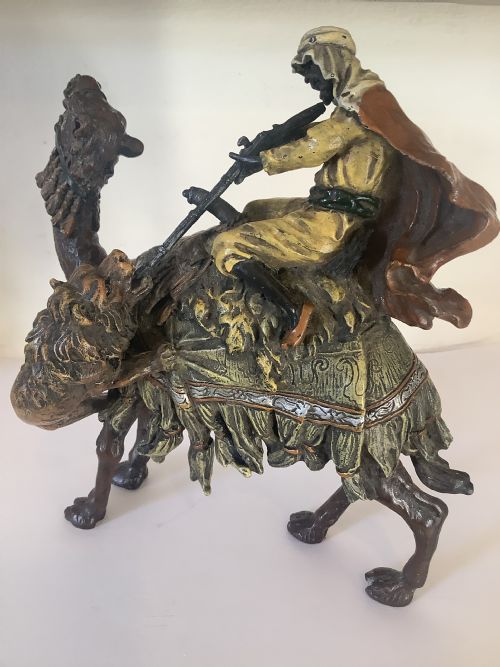
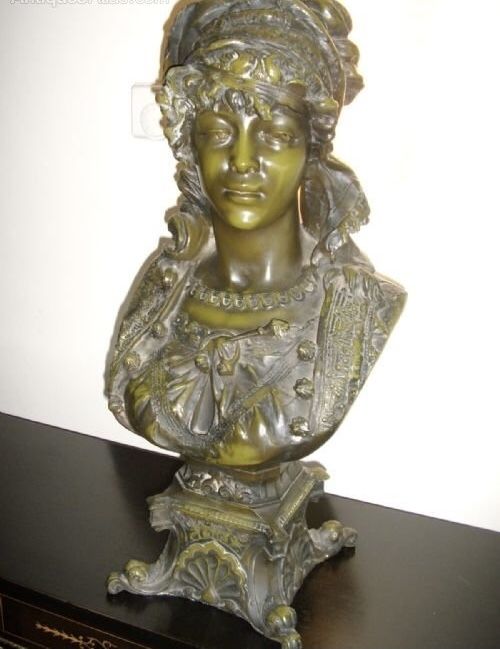
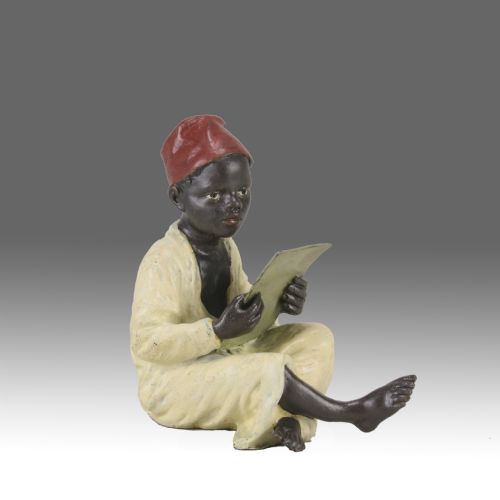
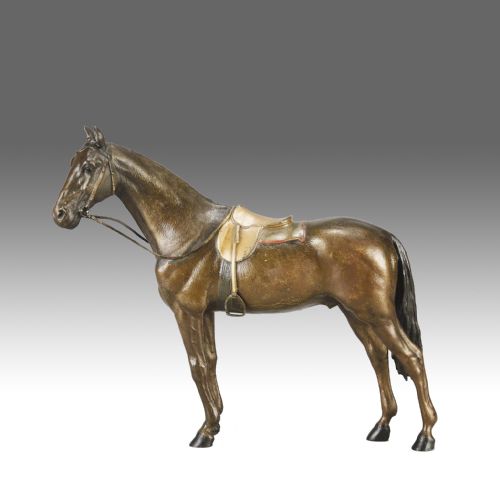
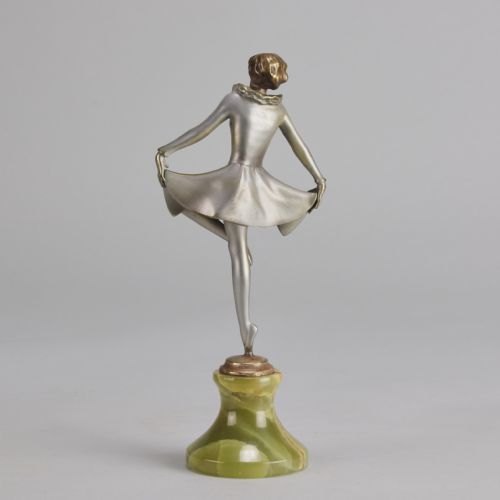
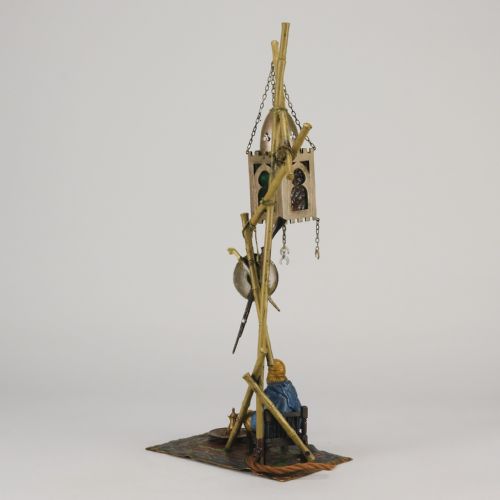
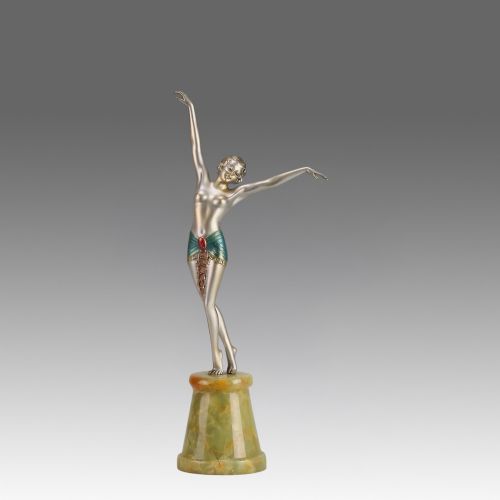
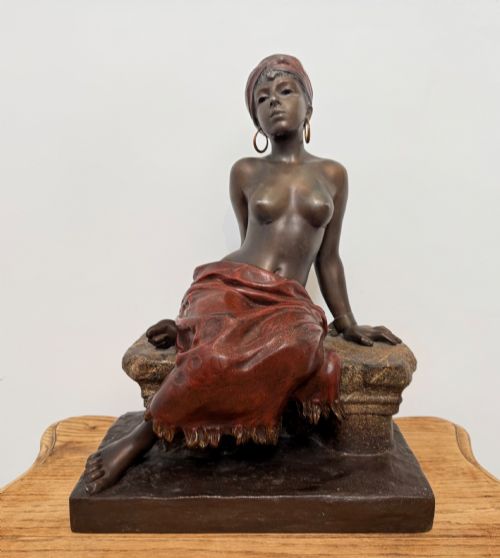
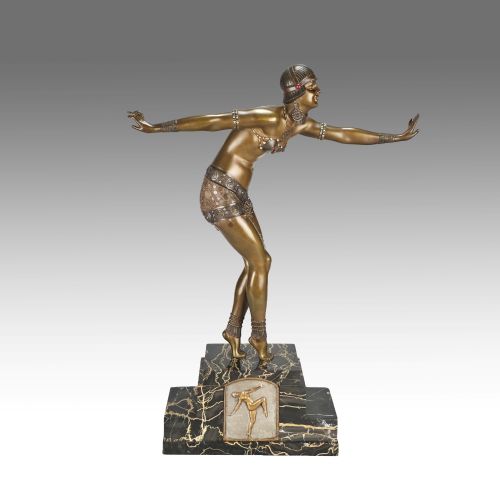
When you search for painted bronze sculpture, you encounter figural works cast in bronze and detailed with surface paint, enamel, or cold painting techniques. The pieces on this page span the nineteenth century into the twentieth century, taking the form of animals, human dancers, and orientalist figures.
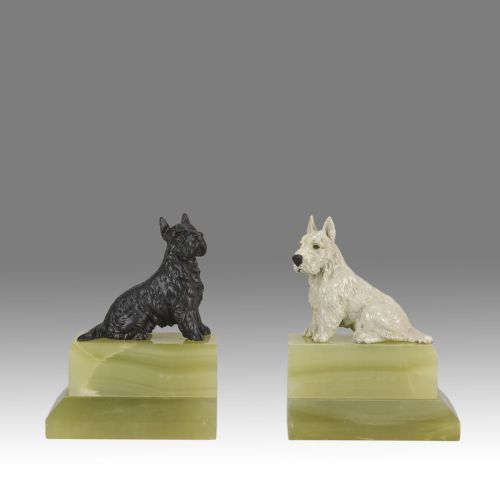
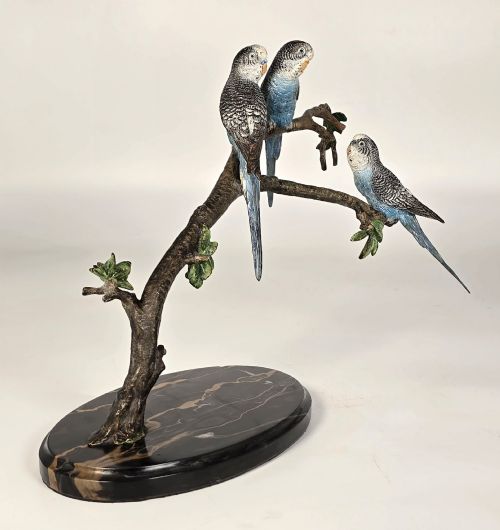
Vienna bronzes and Art Deco dancer figures dominate the selection, often mounted on bases of marble or onyx. Smaller items like birds, dogs, and bookends appear frequently alongside larger sculptural studies.
The objects bridge the Victorian era and the modernist styles of the interwar period, reflecting both Austrian foundry traditions and broader European sculpture trends.
How they were made
Foundries cast these figures in bronze using traditional methods, often incorporating bases made from green onyx or marble to support the composition. Artisans then applied cold paint, enamel, or gilt finishes directly to the metal surface by hand.
The cold-painting technique involved applying multiple layers of dust paint mixed with a binding medium onto the unheated bronze, creating detailed multi-coloured surfaces on animals and human garments.
Painted Bronze Sculpture Retail Price Guide 2026
Typical asking prices for painted bronze sculpture among the pieces listed under this phrase on Sellingantiques today, from the lower quarter to the upper quarter. They describe what is for sale here now, not the wider market.
Listings feature cold-painted bronze and spelter sculptures spanning the Victorian era through the Art Deco period, incorporating marble and onyx bases.
What varies in quality
The fineness of the cast metalwork dictates the underlying quality, separating crisp muscular definition and facial detail from softer, more generalized forms. Artisans achieved superior results when the initial bronze chasing preserved subtle textures like feathers, fur, and fabric folds before any paint touched the surface.
The preservation and precision of the cold-painted surface layer further distinguish the pieces. Skilled hand-brushing yields subtle colour variation and depth, whereas hasty or later overpainting obscures the underlying metalwork.
Franz Bergman·Pierre le Faguays·Ferdinand Preiss·Josef Lorenzl·E Villanis·Franz Xaver Bergman
The Painted Bronze Sculpture Glossary
- Cold Paint
- A non-fired paint application method used on metal sculptures where pigment is applied with a binder without subsequent kiln firing. This finish requires careful handling to prevent flaking over time.
- Vienna Bronze
- Small, highly detailed bronze figures produced by Austrian foundries during the late nineteenth and early twentieth centuries. These pieces frequently depict animals, human subjects in orientalist settings, or whimsical characters.
- Spelter
- A zinc alloy frequently used as a substitute for bronze in decorative figures and candlesticks during the Art Deco period. It provides a lighter base metal that accepts similar surface paints and patinas.
- Onyx
- A banded stone variety commonly used as a heavy supportive base for figural sculptures and bookends. Its natural mineral patterns offer a contrasting texture to the painted metal above.
- Orientalism
- An artistic style depicting themes, figures, and architecture from the Middle East and North Africa. This aesthetic inspired many Austrian cold-painted bronze subjects during the early twentieth century.
Painted Bronze Sculpture: Frequently Asked Questions
What is cold-painted bronze?
Cold-painted bronze refers to metal sculptures finished with paints applied without heat firing. Artisans used binding mediums to adhere the pigment directly to the cast surface.
This technique allowed for vibrant polychrome detailing on Vienna bronzes and animal studies, distinguishing them from traditional patinated or gilded metals.
How do I identify Vienna bronzes?
Vienna bronzes typically date from the late nineteenth or early twentieth centuries and originate from Austrian workshops. They often feature small, characterful animal groups or human figures with intricate surface painting.
Many bear foundry marks or artisan signatures, though unsigned examples remain common among period pieces.
Are spelter and bronze different?
Spelter is a zinc-based alloy, whereas bronze is an alloy of copper and tin. Spelter served as a more accessible material for decorative figures and bookends during the Art Deco era.
Both materials accepted cold-painted finishes, but bronze offers greater weight and durability.
Where should I display these sculptures?
These sculptures suit stable display surfaces away from direct sunlight and excessive humidity, which can affect the painted surface. Placing them on desks, shelves, or cabinets allows close inspection of the fine details.
Many examples feature fitted stone bases of onyx or marble, providing a secure footing for standalone placement.