



P J Mene Bronze
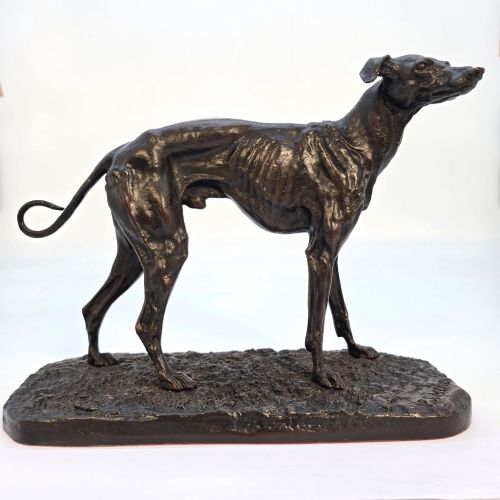
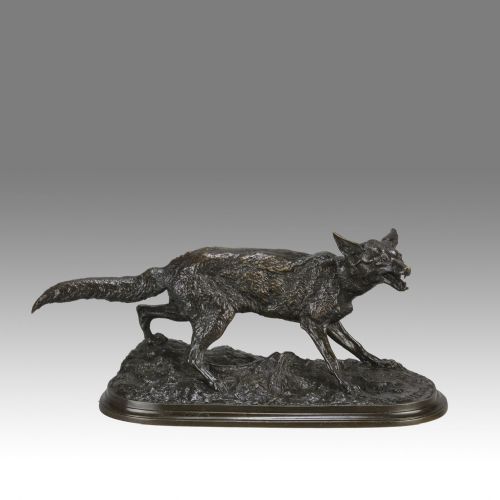
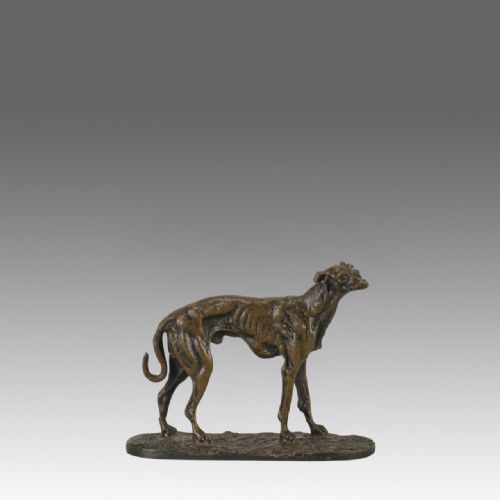
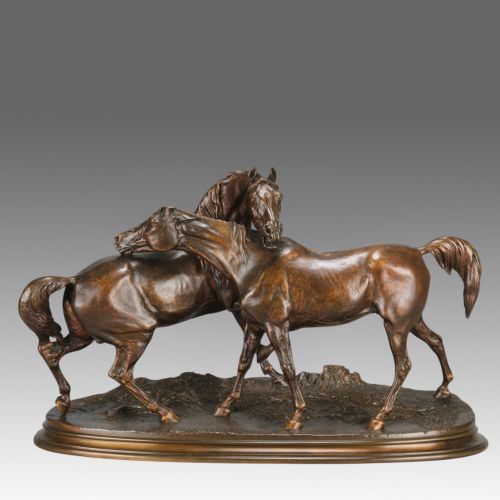
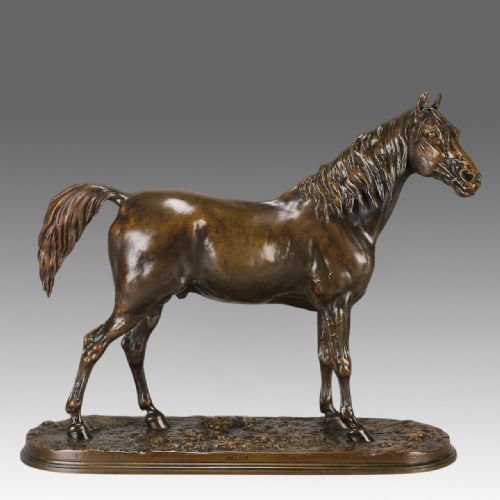
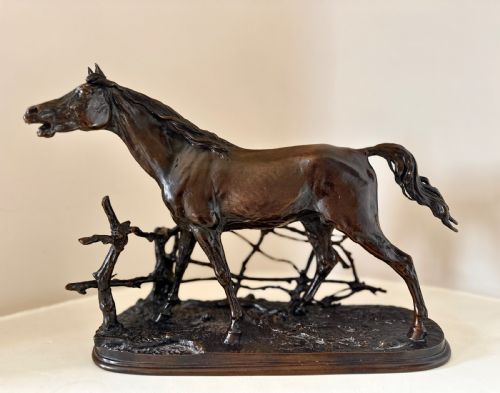
These pieces of p j mene bronze capture the intense realism of the French Animalier school.
P J Mene Bronze
A p j mene bronze brings nineteenth-century animal sculpture into domestic interiors through detailed studies of dogs, horses, stags and foxes. These sculptures embody the French Animalier movement, focusing closely on the natural anatomy and movement of various creatures.
Most examples found on this page date from the nineteenth century, including specific periods around 1850, 1860, 1870, 1890 and the early twentieth century. Subjects range from singular greyhounds and foxes to complex groups such as horses and Arab mares.
Alongside original works by the sculptor, buyers encounter pieces created after his models, as well as larger statues mounted on marble bases. These sculptural objects vary in scale from intimate desk studies to monumental race horse commissions.
Materials and casting methods
Each p j mene bronze relies on cast bronze worked with a dark patina or patinated bronze surface to define muscle and fur. These metal castings capture fine textures, from the plumage of a pheasant to the sleek coat of a greyhound.
Many sculptures incorporate a marble base to support the weight of the cast metal and elevate the composition. The interplay between the dark metal and the stone plinth defines the physical presence of these Animalier bronzes.
P J Mene Bronze Retail Price Guide 2026
Typical asking prices for p j mene bronze among the pieces listed under this phrase on Sellingantiques today, from the lower quarter to the upper quarter. They describe what is for sale here now, not the wider market.
Listings feature nineteenth-century dates alongside twentieth-century reproductions, uniting patinated bronze and marble materials under the French Animalier style.
Distinctions in craftsmanship
Quality in a p j mene bronze rests upon the crispness of the chase work, where chisel and file refine the cast metal surface. Superior examples retain sharp musculature, distinct facial expressions and detailed fur without softened edges.
The depth and consistency of the patination further separate standard castings from finer works. A controlled dark patina enhances the anatomical contours, whereas flat coloration obscures the subtle textures characteristic of nineteenth-century French animalier sculpture.
Pierre Jules Mène·Pierre-Jules Mêne
The P J Mene Bronze Glossary
- Animalier
- A nineteenth-century artistic movement dedicated to the realistic sculpture of animals. Practitioners focused heavily on anatomical accuracy and dynamic movement.
- Patinated Bronze
- Bronze metal treated with chemical solutions to produce a specific surface colour and tone. This finish protects the metal and highlights sculptural detail.
- Cast Bronze
- Metal formed by pouring molten alloy into a mould. This traditional method allows intricate replication of the original clay or wax model.
- Marble Base
- A plinth of polished stone supporting the sculpture. These heavy foundations provide stability and a formal display frame for the metalwork.
P J Mene Bronze: Frequently Asked Questions
What is a p j mene bronze?
A p j mene bronze is a nineteenth-century animal sculpture created by the French artist Pierre-Jules Mêne or cast after his models.
These works portray horses, dogs, stags and birds with anatomical precision, defining the French Animalier school.
How do I identify a nineteenth-century cast?
Nineteenth-century casts typically display sharp surface details and deep patination developed over decades. Signatures and titles often appear directly on the bronze base.
Examination of the chasing work and the integration with any marble plinth helps confirm the period of manufacture.
Where should I display these sculptures?
These bronze sculptures suit studies, libraries and living rooms where they can sit safely on sturdy tables or pedestals. Their substantial weight requires secure placement.
Keeping them away from direct moisture preserves the dark patina and the integrity of the underlying metal.
What subjects did the sculptor favour?
The artist focused predominantly on domestic and wild animals, particularly horses, greyhounds, setters, foxes and stags. Many pieces capture animals in motion or resting quietly.
Complex group compositions also feature heavily, depicting scenes like falconry or Arabian horses with handlers.