

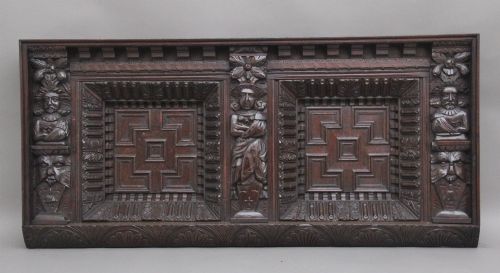


Overmantel Oak Fireplace
An overmantel oak fireplace brings substantial architectural weight and historic character to a room, grounding the hearth with timber framing and glass.
Overmantel Oak Fireplace
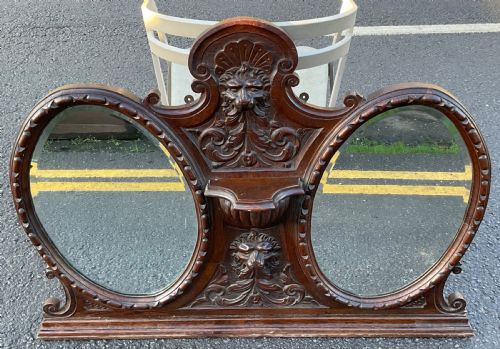
An overmantel oak fireplace encompasses timber fire surrounds and framed mirror combinations designed to sit directly above a hearth. When searching for an overmantel oak fireplace, buyers encounter architectural salvage, carved panels, and triple mirror configurations spanning the seventeenth century up through the 1930s.
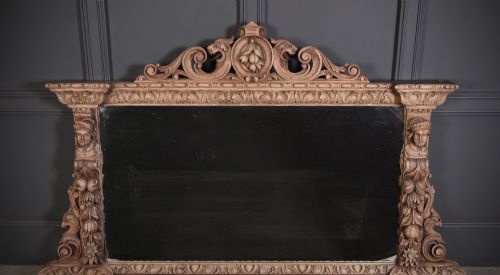
The Victorian and Edwardian eras dominate the selection, bringing heavy carved mouldings, parcel-gilt accents, and arch tops into domestic spaces. Alongside these, revival pieces channel earlier Jacobean, Tudor, and Gothic aesthetics using solid timber and mirror glass.
Forms range from simple fire surrounds to massive wall-hanging mirrors intended to reflect light and anchor a room's focal point. Regional English country house pieces sit alongside massed revival output from later decades, maintaining timber integrity and glass plates.
Materials and construction methods
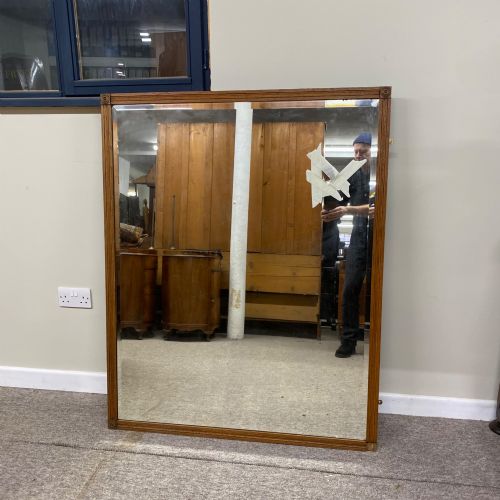
Makers relied primarily on solid oak and hardwood frames, often incorporating walnut veneers or parcel-gilt detailing to highlight carved elements. Timber was selected for grain pattern and strength, supporting heavy bevelled or flat mirror glass plates within panelled surrounds.
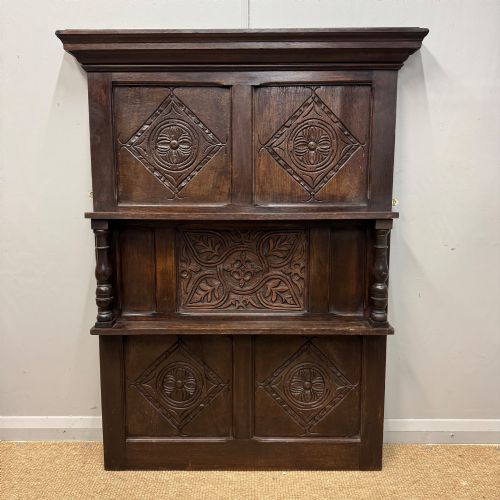
Carving was executed by hand on earlier and revival pieces, producing deep relief work along the friezes and pediments. Architectural salvage items frequently retain original pegged joinery and structural framing suited to period chimney breasts.
Overmantel Oak Fireplace Retail Price Guide 2026
Typical asking prices for overmantel oak fireplace among the pieces listed under this phrase on Sellingantiques today, from the lower quarter to the upper quarter. They describe what is for sale here now, not the wider market.
Current listings feature oak, walnut, and giltwood materials across Victorian, Edwardian, and seventeenth century periods, alongside Arts and Crafts and Tudor Revival styles.
Differentiating quality across pieces
Quality rests in the depth and crispness of the hand carving, where sharp relief distinguishes bespoke joinery from simpler output. The integration of auxiliary materials, such as parcel-gilt highlights or mother of pearl inlay, introduces subtle variation in finish.
Proportion and scale dictate the visual presence of a piece, with larger country house examples offering complex triple mirror arrangements or arched top plates. The condition of the original timber frame and the clarity of the underlying mirror glass further separate standard items from exceptional survivals.
The Overmantel Oak Fireplace Glossary
- Overmantel
- A mirror or decorative structure designed to be hung specifically on the wall above a mantelpiece. These pieces often incorporate wooden frames matching the timber of the fireplace below.
- Parcel Gilt
- A decorative technique where selected portions of a carved wooden surface are partially gilded with gold leaf. This method draws attention to specific mouldings against the natural oak background.
- Architectural Salvage
- Building components and decorative fittings rescued from older structures for reuse in modern interiors. This category includes dismantled fire surrounds and timber panels.
- Jacobean Revival
- A nineteenth and twentieth century design style copying the heavy, geometric carved ornamentation of the early seventeenth century. Pieces in this style use dark oak and prominent strapwork.
- Arch Top
- A mirror frame or panel constructed with a rounded upper curve rather than a standard rectangle. This shape softens the rectilinear geometry of a typical chimney breast.
Overmantel Oak Fireplace: Frequently Asked Questions
How do I secure an overmantel mirror to the wall?
These heavy wooden frames require substantial wall anchors fixed directly into masonry or secure studs above the chimney breast. Professional installation is standard practice due to the combined weight of solid oak timber and mirror glass.
Ensure the hanging brackets match the load capacity of the specific piece before mounting it above a working hearth.
What is the difference between an overmantel and a fire surround?
A fire surround forms the outer mantel structure framing the fireplace opening itself on the wall. An overmantel sits above that shelf, functioning as a mirror or decorative panel.
Some listings combine both elements into a single integrated architectural composition designed for period rooms.
How do I date an oak overmantel?
Dating relies on examining the joinery methods, carving styles, and the backing boards behind the mirror glass. Machine-cut screws and modern plywood point towards twentieth century revival work, while pegged joints suggest older construction.
Stylistic cues like Arts and Crafts geometric lines or Victorian Gothic motifs further narrow down the period of manufacture.
Can these pieces be used with modern gas fires?
Timber surrounds and overmantels function primarily as decorative framing rather than functional insulation. Proper clearance distances from open flames or high heat sources must be maintained to prevent drying out or cracking the oak.
Consult local building regulations regarding safe clearances before installing timber around an active hearth.