





Overlaid Glass Bottle
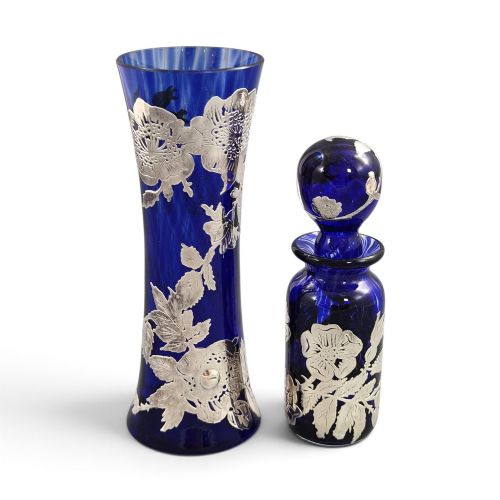
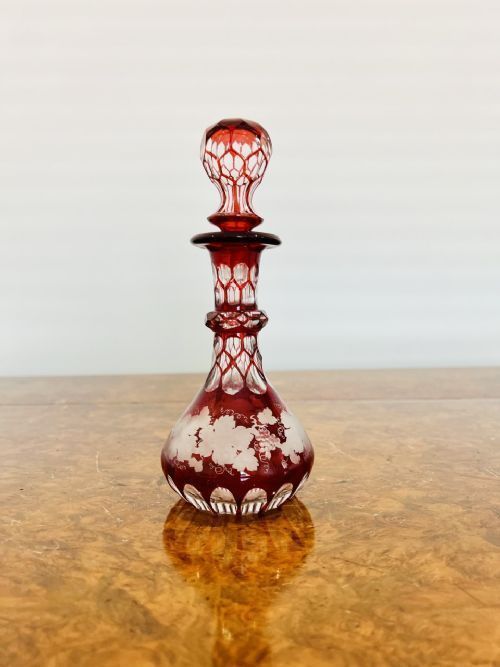
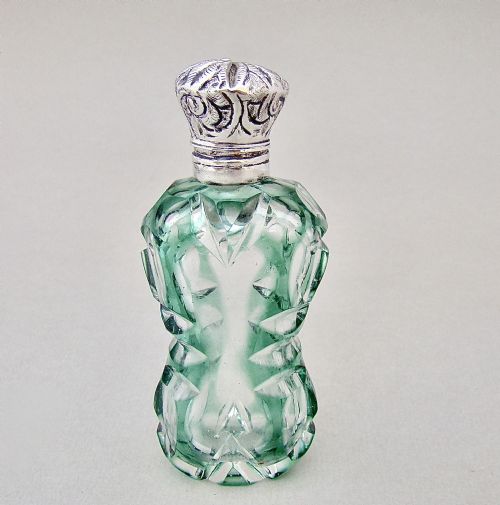
An overlaid glass bottle brings layered colour and cut detail to a dressing table or display shelf.
Overlaid Glass Bottle
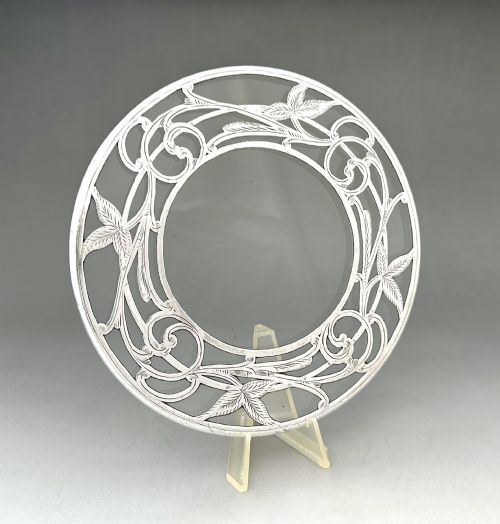
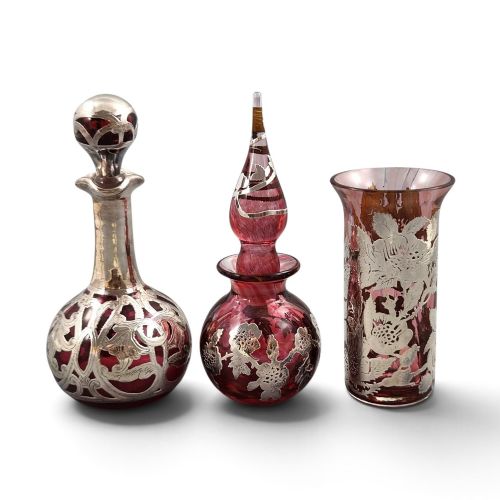
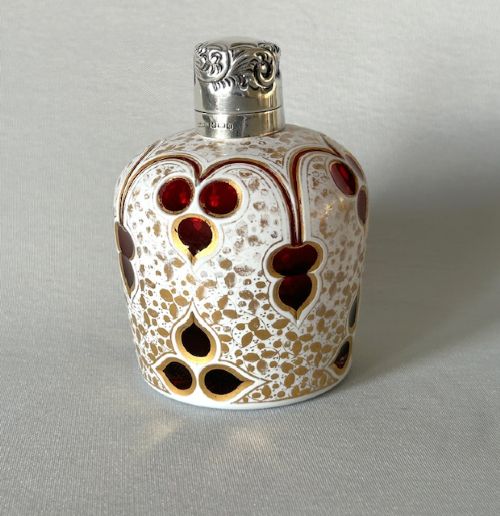
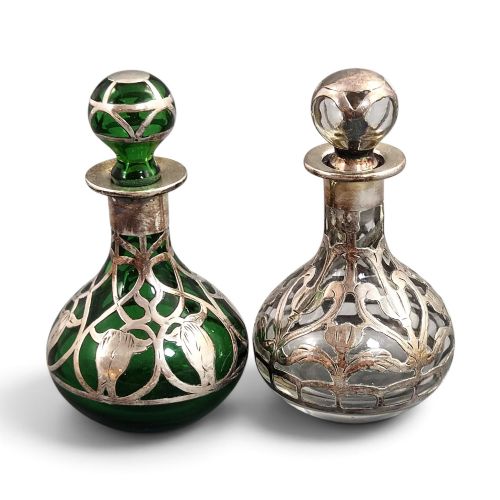
An overlaid glass bottle combines a coloured glass body with a contrasting outer layer, frequently cut away to reveal the hue beneath. When you search for an overlaid glass bottle, you encounter diverse forms ranging from diminutive scent containers to large decanters.
Victorian and Edwardian examples dominate the selection, often featuring sterling silver mounts or collars. These pieces reflect centuries of European glassmaking traditions, including Bohemian and French workshops.
Beyond scent bottles and decanters, the selection includes vases, vanity sets, and coasters. Each object demonstrates how glassmakers manipulated multiple layers of crystal and coloured glass to achieve rich decorative contrasts.
Materials and techniques
Craftsmen created these vessels by fusing a coloured glass layer over a clear or contrasting body whilst hot. This cased or layered material was then allowed to cool before artisans applied wheels and cutting tools to carve intricate patterns through the outer skin.
Metalworkers added sterling silver or silver-plated mounts, collars, and hinged caps to secure stoppers and enhance utility. Certain pieces incorporated mercury glass or specialised finishes such as ruby, cranberry, and green glass.
Overlaid Glass Bottle Retail Price Guide 2026
Typical asking prices for overlaid glass bottle among the pieces listed under this phrase on Sellingantiques today, from the lower quarter to the upper quarter. They describe what is for sale here now, not the wider market.
The listings span the 19th and 20th centuries, uniting Victorian, Edwardian, and Art Nouveau styles in glass, cut crystal, and sterling silver.
Markers of quality
The depth and precision of the wheel-cutting separate superior examples from simpler production. Crisp edges where the clear glass meets the coloured overlay indicate skilled craftsmanship.
The weight of the lead crystal and the integration of the silver mount relative to the glass body define the tier of the piece. Heavier metalwork and fully matching stoppers elevate the overall execution.
Gorham·Laugharne Glass·Galle
The Overlaid Glass Bottle Glossary
- Overlay
- A secondary layer of coloured glass applied over a base body of a different colour or clear crystal. This outer skin is often carved away to create patterned designs.
- Cased glass
- Glass formed of two or more distinct layers of different colours fused together during the blowing process. It provides the blank from which overlaid items are cut.
- Mercury glass
- Double-walled silvered glass blown with a reflective liquid mercury or silver solution sealed inside. It creates a silvery, mirror-like appearance beneath a clear outer layer.
- Scent bottle
- A small container designed to hold perfume, typically fitted with a stopper or screw cap. Many Victorian examples feature external metal collars or chatelaine attachments.
- Decanter
- A vessel used for holding and serving wine or spirits, fitted with a glass stopper. Overlaid versions utilise cut crystal and coloured layers to catch the light on a dining table.
Overlaid Glass Bottle: Frequently Asked Questions
How do I date an overlaid glass bottle?
Dating relies on stylistic clues, the cut of the glass, and accompanying silver hallmarks where present. Victorian and Edwardian examples often feature registration marks or maker stamps on the metal mounts.
Changes in colour preferences, such as cranberry and green glass in the late nineteenth century versus later studio glass or Art Deco forms, also help establish the era of production.
Were these bottles meant for daily use?
Many of these vessels served practical roles on dressing tables and dining sideboards. Scent bottles held perfumes for personal grooming, while larger decanters stored wine and spirits.
Their decorative nature meant they were also displayed prominently in parlours and cabinets as indicators of taste and status.
What is the difference between overlay and cameo glass?
Overlay glass involves fusing a distinct outer layer of coloured glass over a contrasting body before cutting geometric or floral motifs through to the base layer. Cameo glass typically involves acid-etching or carving a cased blank to produce relief imagery.
Both techniques require precise control of glass thickness, but cameo work often focuses on detailed pictorial scenes.
How should I clean an antique glass bottle?
Cleaning requires gentle warm water and mild soap, avoiding harsh abrasives that might scratch the surface or damage delicate silver mounts. Submersing antique glass with fitted metal collars should be approached with caution.
Stoppers should be cleaned separately to prevent moisture from becoming trapped inside sealed necks.