




Oval Wooden Frame
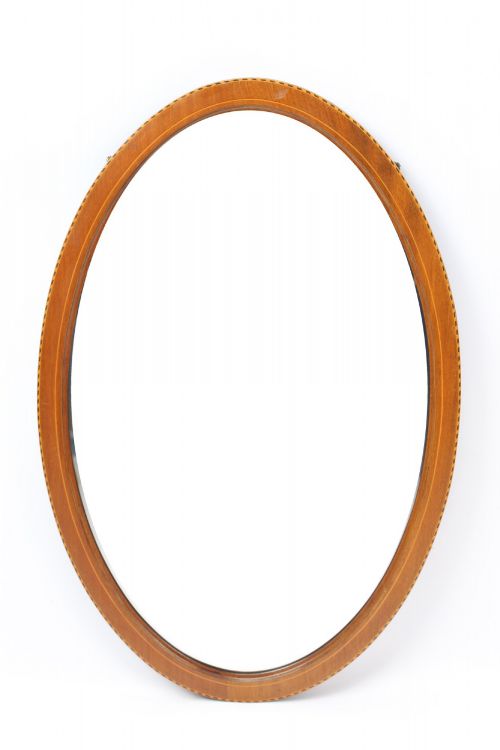
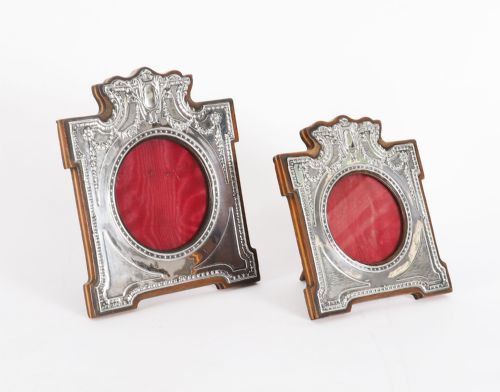
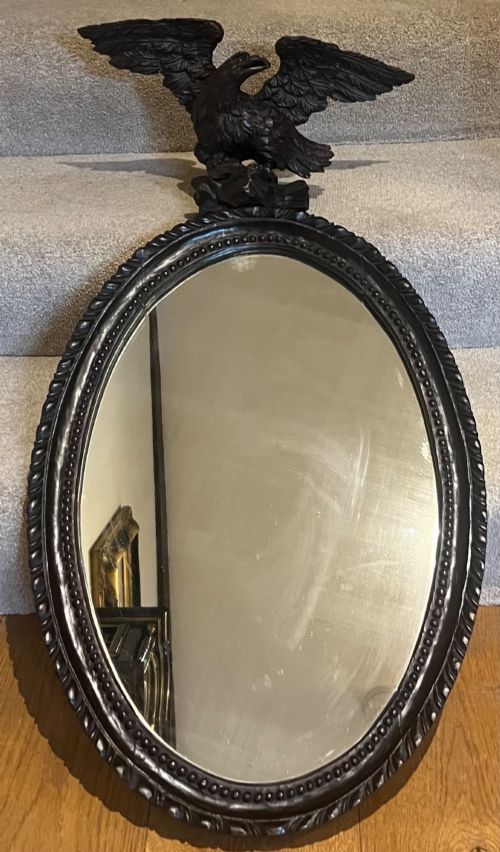
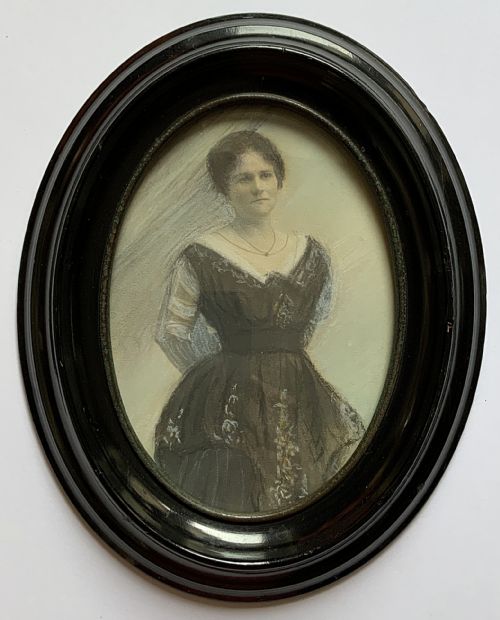
An oval wooden frame brings a softer geometry to walls and tabletops, holding mirrors, portraits and photographs with distinct period character.
Oval Wooden Frame
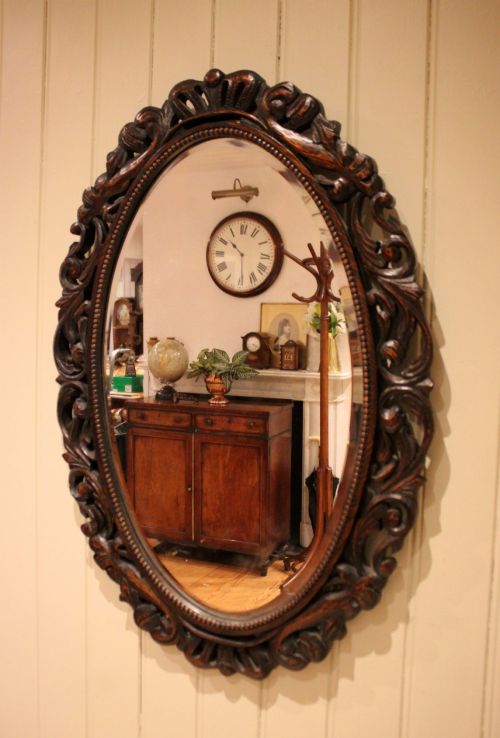
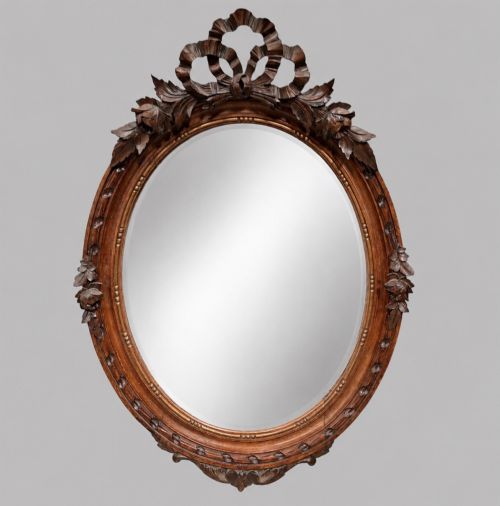
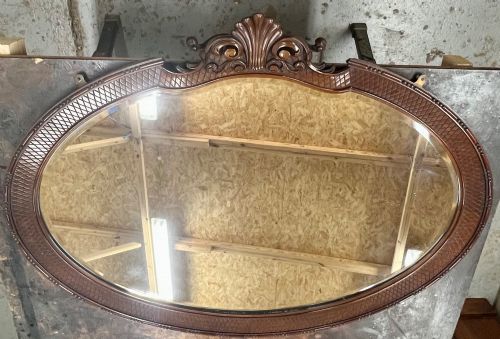
An oval wooden frame appears most frequently on this page as a wall mirror or picture surround, shaped in curved timber from periods spanning the eighteenth century through to the Edwardian era. Buyers searching for an oval wooden frame encounter pieces executed in solid mahogany, oak, and carved woods, often finished with gilt or gesso detailing. These items range from country house wall mirrors to domestic portrait housings and small picture frames designed for specific interior settings.
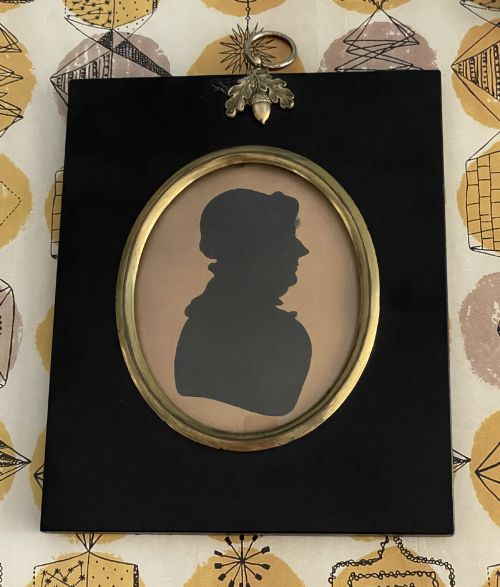
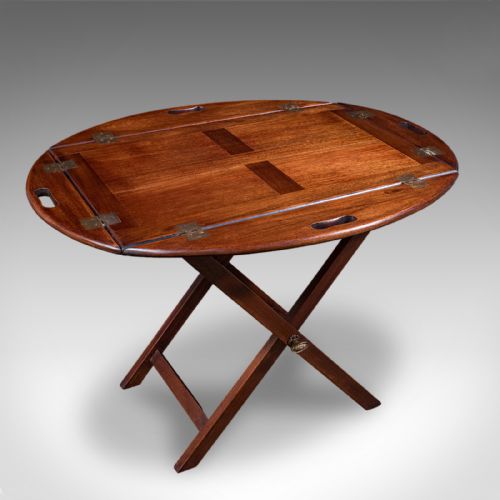
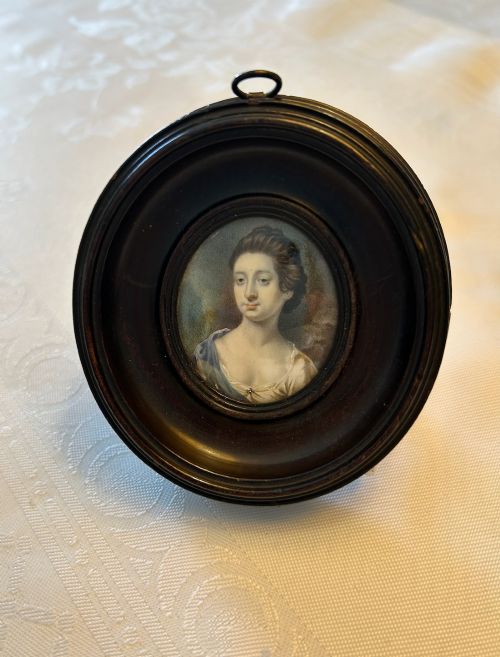
The styles recorded in these listings draw heavily on Georgian, Victorian, and Edwardian revivals, alongside original pieces from the nineteenth and early twentieth centuries. Alongside mirrors, the selection includes portrait miniatures, painted silhouettes, and butler's tray tables that incorporate curved wooden surrounds into functional furniture. This mix reflects how makers across different decades adapted the curved format for domestic display.
Materials and construction methods
Makers constructed these frames predominantly using timber such as mahogany and oak, selected for grain stability and strength when bent or carved into curved perimeters. Solid wood was shaped directly or built up in sections to form the continuous ellipse required for the glass or artwork within.
Carved ornament, gesso layers, and applied giltwood embellishments frequently finish the timber surface, reflecting stylistic periods from Neoclassical to Baroque revival. In some examples, inlay work or brass fittings complement the primary wood, securing mirrors and backing boards with traditional joinery.
Oval Wooden Frame Retail Price Guide 2026
Typical asking prices for oval wooden frame among the pieces listed under this phrase on Sellingantiques today, from the lower quarter to the upper quarter. They describe what is for sale here now, not the wider market.
Certain portrait miniatures preserve handwritten dates and histories of Victorian husbands and wives tucked neatly on the rear boards.
Distinctions in quality
Quality rests upon the depth and crispness of the carving, the selection of timber grain, and the integrity of the original finish. Hand-carved wooden ornament shows individual chisel work and confident shaping, whereas mass-produced or later revival pieces often rely on cast compo or simplified mouldings.
The preservation of original glass, backing boards, and surface patination separates finer examples from those altered over time. Frames that retain their original gilding or polished wood surfaces without excessive intervention offer a clearer representation of period craftsmanship.
Mappin Bros·James Gillespie·James Ferguson
The Oval Wooden Frame Glossary
- Gesso
- A plaster-like mixture applied to wood surfaces to create a smooth base for gilding or paint. It allows craftsmen to model intricate relief ornamentation before applying gold leaf.
- Giltwood
- Timber that has been coated with gold leaf or gold paint for decorative effect. This treatment appears frequently on mirrors and ornamental frames from various stylistic periods.
- Portrait miniature
- A small-scale painting, watercolour, or silhouette created during the eighteenth and nineteenth centuries. These works are often housed in specialised oval frames designed for intimate viewing.
- Butler's tray
- A removable wooden serving tray, frequently oval in shape, fitted onto a folding stand. Examples from the Edwardian and Georgian periods demonstrate this combination of portable serving surface and furniture.
Oval Wooden Frame: Frequently Asked Questions
How do I hang a heavy oval wooden frame safely?
Heavy mirrors and framed panels require secure wall fixings suited to the weight of the timber and glass. Using appropriate wall plugs and steel mirror plates distributes the load evenly across the structure.
Position the fixings to catch solid masonry or timber studs rather than relying solely on plasterboard. Check that the original hanging rings or cord on the frame remain strong enough to support the piece before mounting.
What periods do these frames represent?
The pieces span from the eighteenth century through to the early twentieth century, encompassing Georgian, Victorian, and Edwardian eras. Many items also reflect later revivals of earlier stylistic traditions.
Examining the construction methods, backboards, and fastener types helps determine whether a piece originates from its purported era or belongs to a subsequent revival period.
Can I use an oval frame for modern artwork?
An oval wooden frame accommodates appropriately proportioned photographs, prints, or modern paintings if the rebate depth and mount match the dimensions of the new piece. Custom mounts can be cut to bridge rectangular works within the curved aperture.
Ensure that inserting modern materials does not damage historical backing boards or original internal spacers where the frame retains its original contents.
How should I clean antique wood and glass?
Dust timber surfaces gently with a dry, soft cloth to prevent accumulation without introducing moisture that could harm old polishes or gesso. Avoid using standard household sprays or silicone polishes on antique wood.
Clean mirror glass or protective glazing with a mild solution applied directly to the cloth rather than the glass, preventing liquid from seeping behind the frame edges and staining the backing.