



Oval Photo Locket
An oval photo locket holds your dearest memories close, combining Victorian sentiment with enduring craftsmanship in precious metals.
Oval Photo Locket
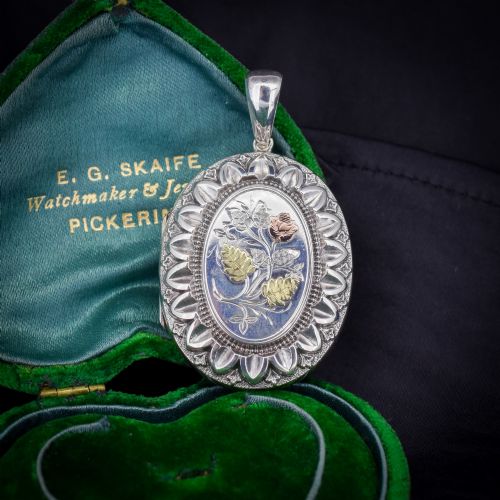
When you search for an oval photo locket, you encounter pieces primarily from the Victorian and Edwardian eras fashioned as pendants, necklaces, and pendant lockets. These items are designed to open and reveal internal frames or glass compartments intended for miniature portraits or locks of hair.
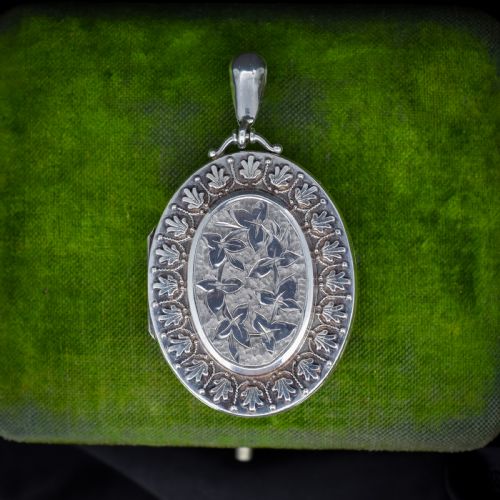
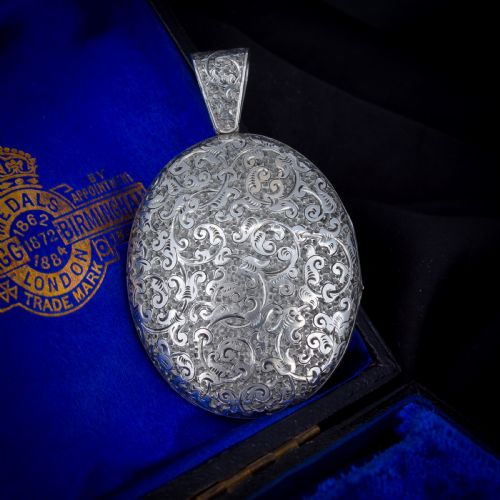
The versions you are most likely to meet on this page include sterling silver and 18ct yellow gold constructions. Many examples feature detailed surface decoration such as hand engraving, enamel work, or gem setting.
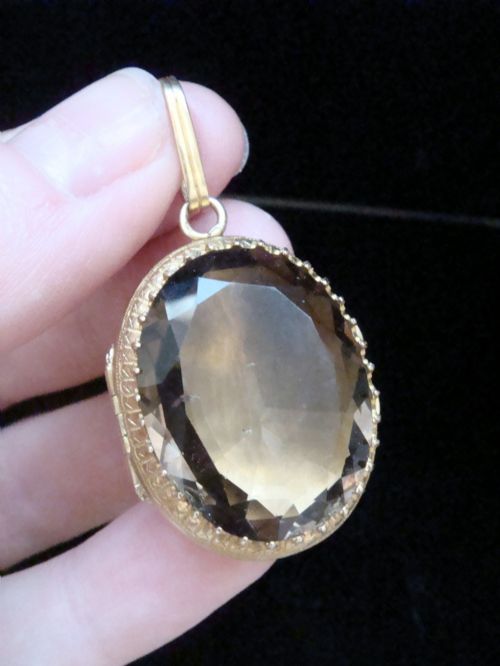
Originating predominantly from the nineteenth century, these pieces reflect the sentimental jewellery traditions of their respective periods. They range from understated silver shells to substantial gold frames set with diamonds, citrines, or seed pearls.
How they were made
These lockets utilise precious metals including sterling silver and 18ct yellow gold, shaped into hollow oval forms designed to hinge open securely. Metalsmiths employed hand engraving to carve floral, ivy, and swallow motifs directly into the silver or gold surface.
Surface ornamentation often incorporates vitreous black enamel alongside grain-set seed pearls and old-cut diamonds. Internal glazed picture frames were fitted precisely to protect miniature photographs without the need for modern adhesives.
Oval Photo Locket Retail Price Guide 2026
Typical asking prices for oval photo locket among the pieces listed under this phrase on Sellingantiques today, from the lower quarter to the upper quarter. They describe what is for sale here now, not the wider market.
The listings on this site span the Victorian and Edwardian eras, featuring materials such as sterling silver, 18ct yellow gold, enamel, and seed pearls.
What varies in quality
The distinction between standard examples and the finest pieces lies in the substance of the metal and the complexity of the decoration. Solid gold construction or heavier silver weight denotes superior durability compared to thinner stamped shells.
Artistic execution also dictates value, as hand-engraved floral panels, intricate enamel work, and the inclusion of precious gemstones such as diamonds or citrines elevate the piece well beyond plain utility.
The Oval Photo Locket Glossary
- Locket
- A small ornamental pendant that opens to reveal a space for a portrait or keepsake. It usually hangs from a chain around the neck.
- Aesthetic Movement
- A late nineteenth-century design style that emphasised visual beauty and nature motifs over excessive ornamentation. Pieces from this period often display stylised swallows or botanical elements.
- Seed Pearl
- A tiny natural pearl, typically under two millimetres in diameter. These were frequently used in clusters to decorate Victorian jewellery.
- Citrine
- A yellow variety of quartz valued for its bright lemon or amber hue. It appears faceted in high-grade nineteenth-century pendant settings.
- Marcasite
- Small faceted crystals of iron pyrite set into jewellery to simulate the sparkle of cut steel or diamonds. It provides a dark metallic contrast in period pieces.
Oval Photo Locket: Frequently Asked Questions
How do I open an old locket?
Most period lockets utilise a small thumbnail catch or a concealed hinge mechanism along the side rim. Apply gentle pressure with a fingernail while supporting the opposite side to release the snap.
Avoid using metal tools to pry the covers apart, as this can scratch the precious metal or damage the original bezel framing.
Can I put modern photos inside?
You can insert contemporary photographs by trimming them carefully to match the inner oval contour of the frame. Many Victorian examples retain their original glass covers, which hold paper pictures securely in place without glue.
Take care when removing old paper inserts, as nineteenth-century photographs or hair mementoes may be fragile and sensitive to moisture.
What is the difference between silver and gold lockets?
Silver lockets from the nineteenth century typically feature bright metallic finishes, hand-engraved floral patterns, or black enamel highlights. Gold versions, often rendered in 18ct yellow gold, offer a warmer tone and frequently incorporate precious stones.
Both materials were used across similar decorative styles, though gold pieces generally indicate a higher original cost of production.
How do I date a Victorian locket?
Dating relies on examining the metal hallmarks, the style of the hinge, and decorative motifs such as swallows, ivy, or geometric Aesthetic patterns. Pieces marked with specific year ciphers or assay office stamps provide a precise point of origin.
Stylistic shifts, such as the transition from heavy chased silver to delicate Edwardian rose gold, also help narrow down the decade of manufacture.