

Oval Oil Canvas
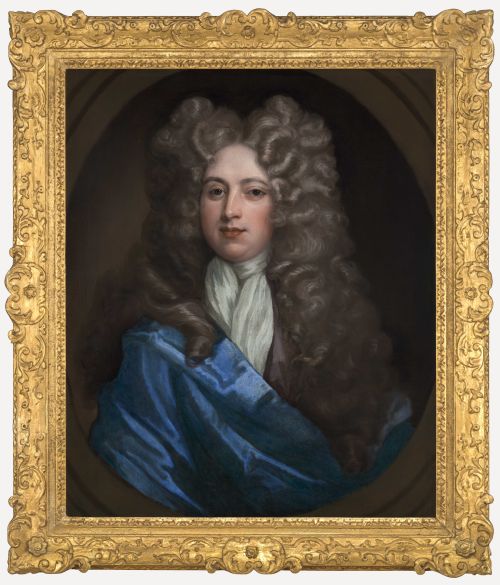
An oval oil canvas brings a distinct curved geometry to portraiture and landscape, offering a soft composition favoured by historical masters.
Oval Oil Canvas
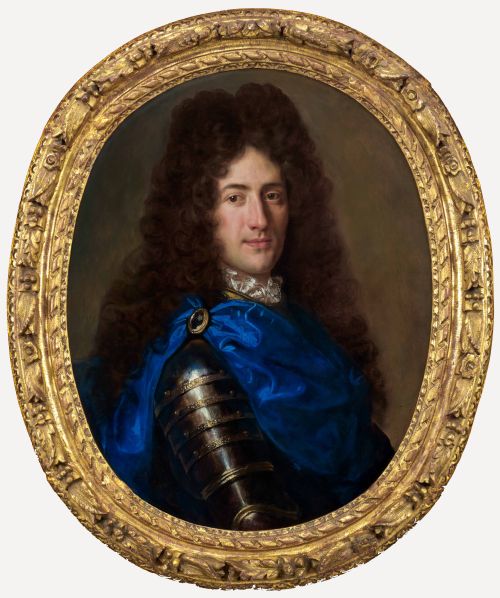
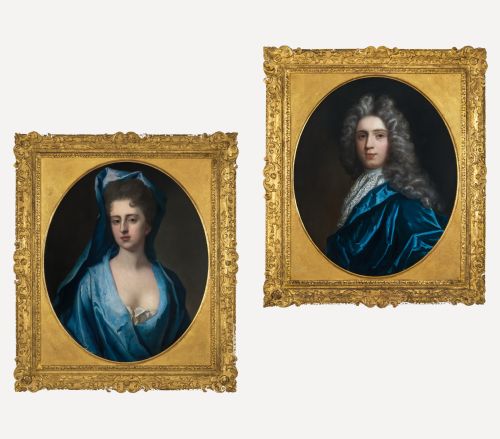
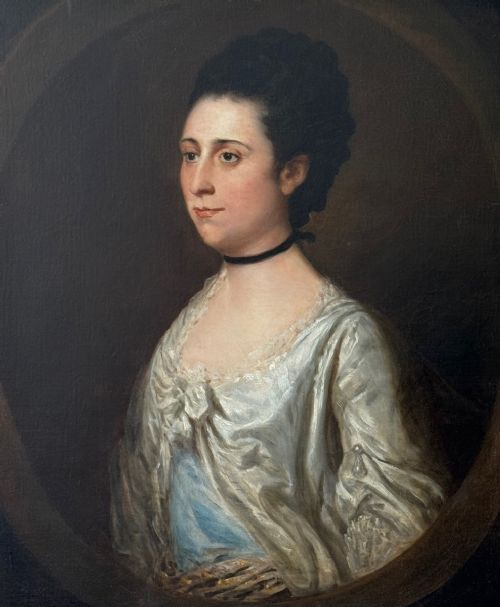
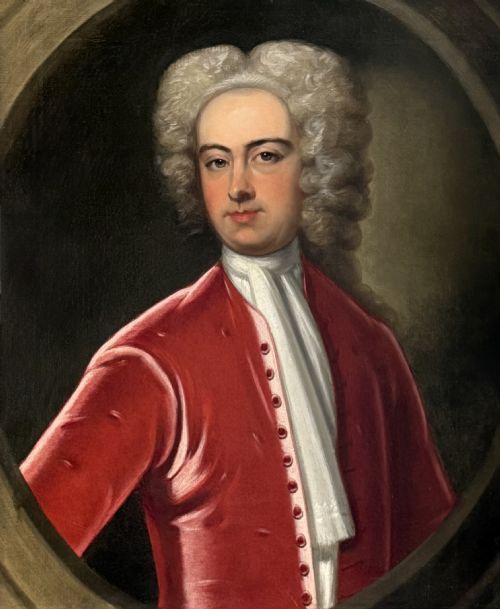
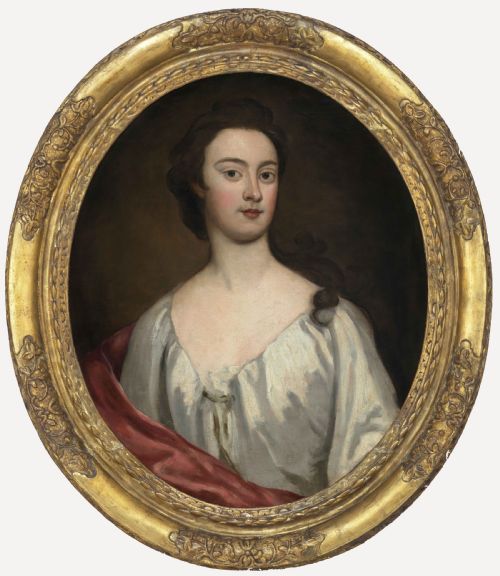
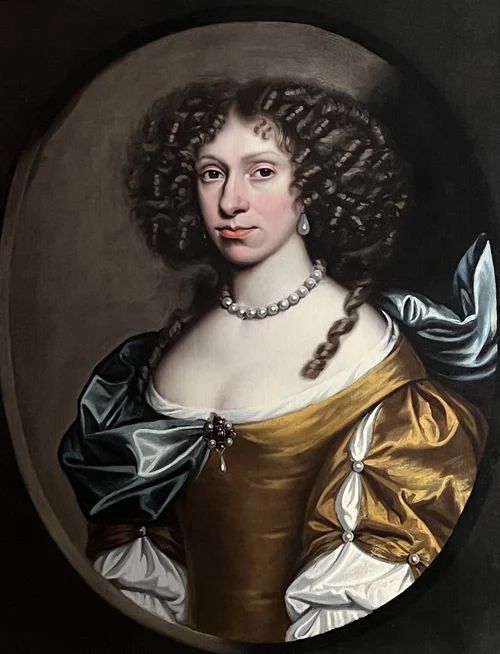
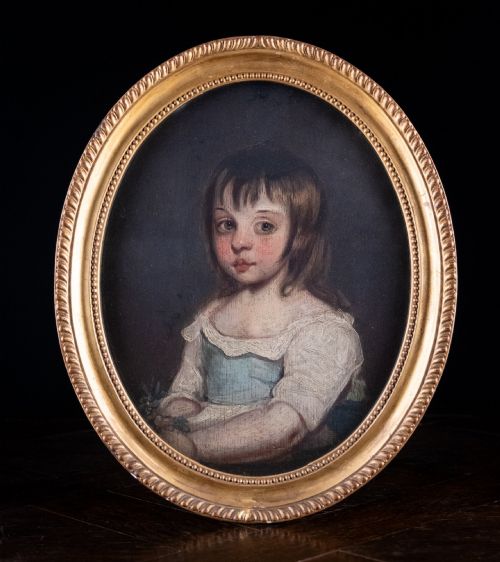
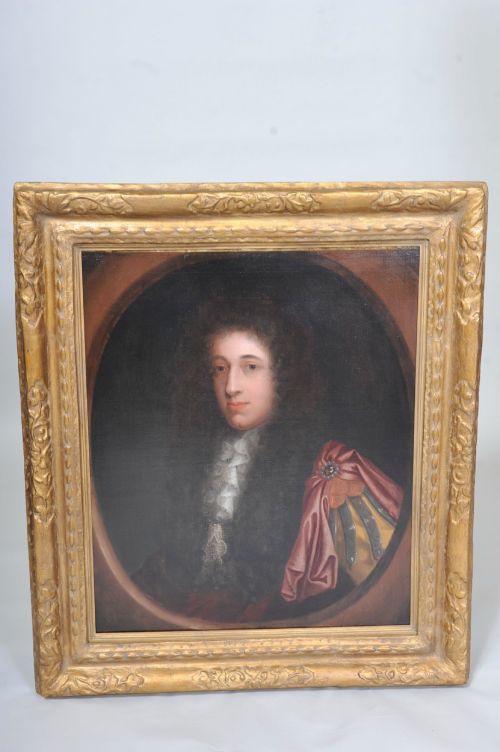
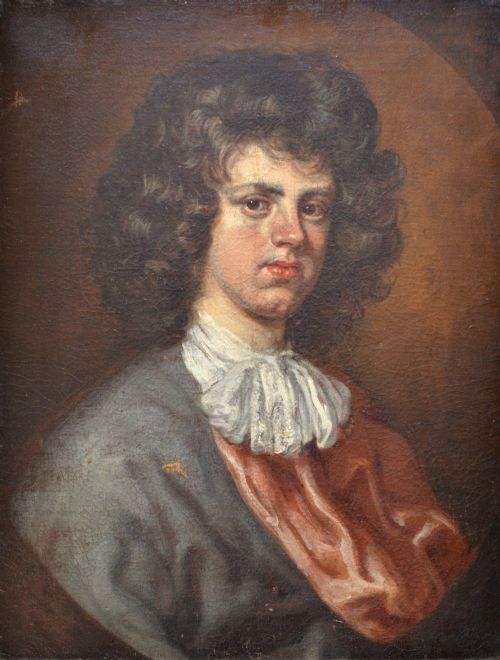
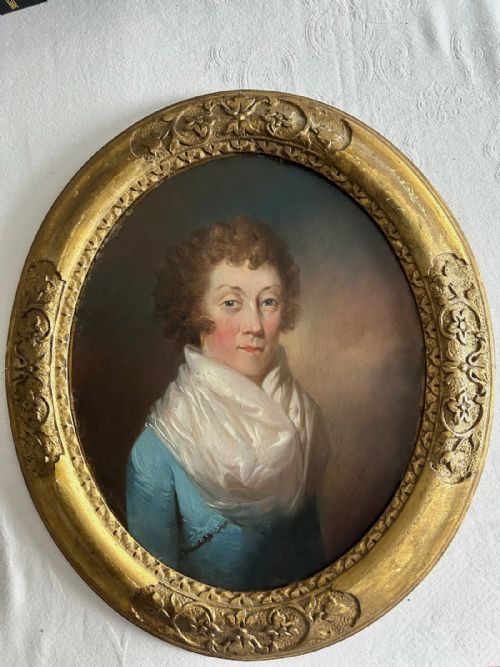
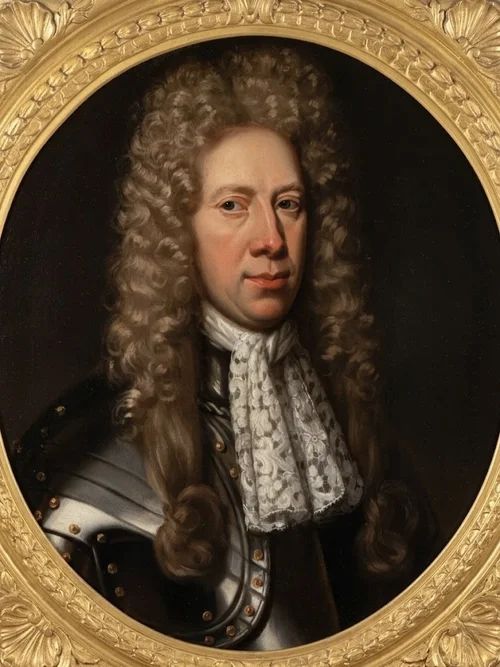
When searching for an oval oil canvas, buyers encounter historic portraiture and figurative works dating from the seventeenth, eighteenth, and nineteenth centuries.
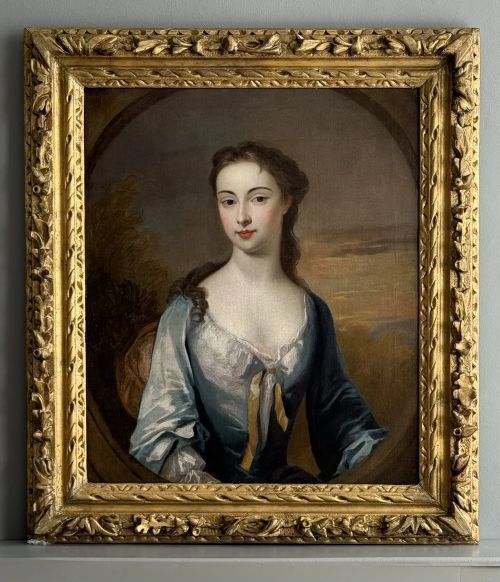
The format most frequently met on this page is the individual or paired portrait executed during the Georgian or Victorian eras, often housed within its period surround.
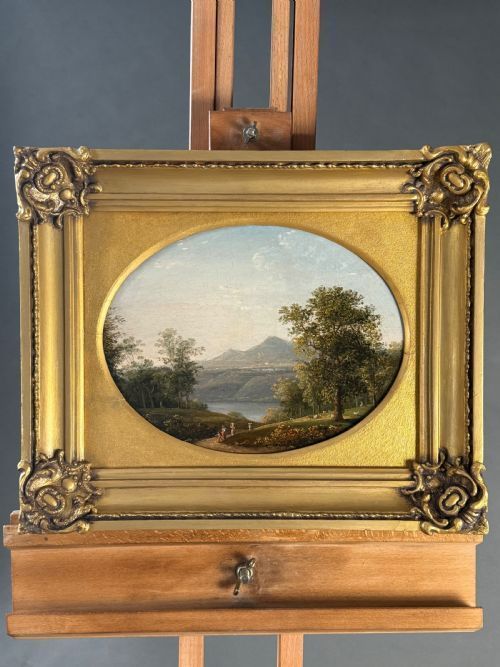
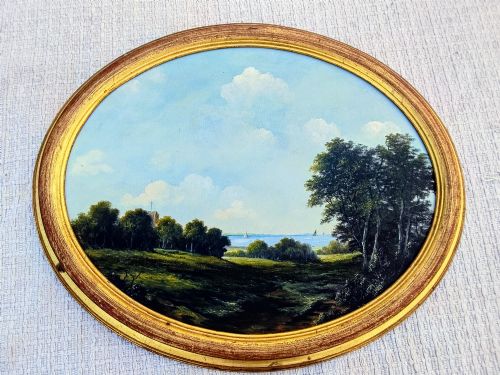
Beyond human subjects, the selection includes landscape, still life, and animal studies mapped onto the curved stretcher frame.
Materials and Construction
The physical works combine oil paint applied to a woven canvas stretched over a curved wooden frame tailored to the specific geometry.
Many surviving examples retain their original heavy giltwood, gilded wood, or gold leaf surrounds, occasionally complemented by ebonised wooden mouldings.
Listings span the seventeenth to twentieth centuries, featuring oil on canvas within giltwood and ebonised wood frames.
Assessing Quality
Quality in these works rests upon the dexterity of the brushwork and the anatomical proportion within the subject, distinguishing master or studio hands from routine provincial output.
The integrity of the original canvas and the preservation of the matching period frame contribute significantly to the standing of any individual piece.
David Scougall·Charles Jervas·Michael Dahl·Thomas Murray·Mary Beale·John Scougall·Thomas Beach·Jacob Philipp Hackert·Jeremiah Davison·Allan Ramsay·Arthur Percy Dixon·William Millar·Arthur William Devis·Costantino Frixione·William Gape·Agnes Dundas
The Oval Oil Canvas Glossary
- Giltwood
- Wood carved and coated with gold leaf or metallic powder to create a reflective, decorative frame. This finish is frequently encountered on period portrait surrounds.
- Stretcher
- The internal wooden frame that holds the canvas taut. Curved versions are specially constructed to maintain the tension of an oval format.
- Circle of
- A designation indicating that an artist worked closely within the style and period of a named master, often in the same workshop.
- School
- A term used to group artists working in a particular region or country during a shared historical epoch.
- Provenance
- The documented history of a painting's ownership and origin, providing evidence of its authenticity and past exhibitions.
Oval Oil Canvas: Frequently Asked Questions
What periods do these paintings span?
The available selection reaches from the seventeenth century through the Georgian and Regency epochs into the Victorian era and the mid-twentieth century.
These varied dates reflect changing tastes in portraiture and interior decoration over several hundred years.
How were oval canvases framed?
Makers housed these curved works in specially constructed wooden frames finished with gold leaf, giltwood, or ebonised surfaces.
Many pieces retain their original surrounds, which match the specific dimensions and aesthetic of the canvas.
What subjects appear most often?
Human portraits dominate the selection, depicting gentlemen, ladies, children, and historical figures in formal attire.
Alongside portraits, occasional landscapes, still life studies, and animal paintings complete the range.
Are these works attributed to specific artists?
Numerous pieces are attributed to named painters, studio circles, or regional European schools from Britain, France, Germany, and Flanders.
Inscribed details or archival notes on the reverse often provide clues to the origin of the work.