




Oval Gold Locket
An oval gold locket holds a miniature portrait or personal token close, combining precious metalwork with intimate portraiture across centuries of craftsmanship.
Oval Gold Locket
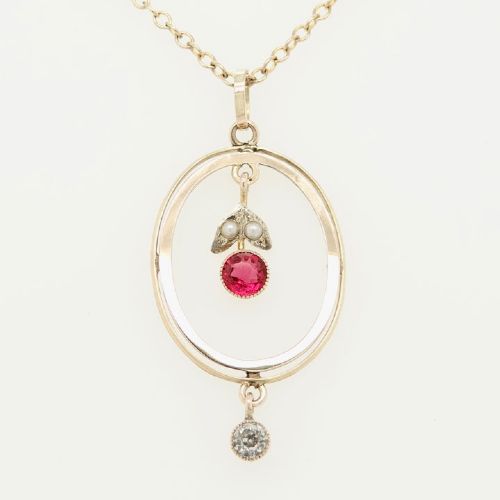
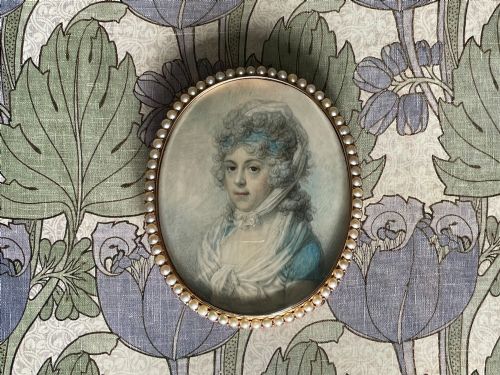
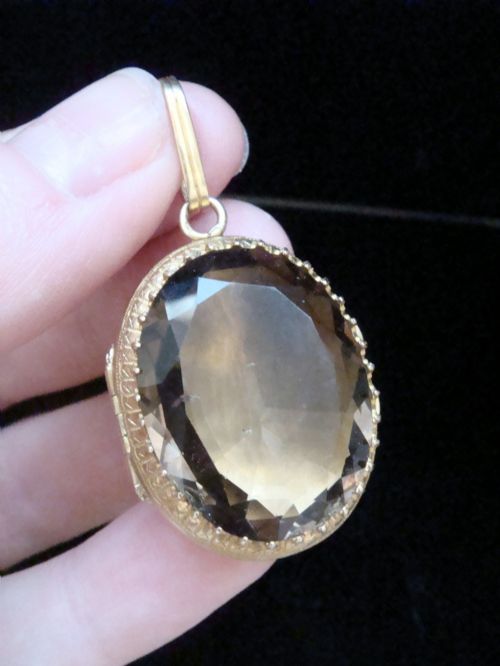
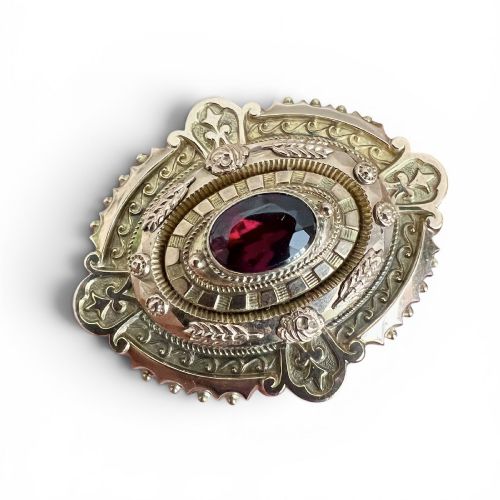
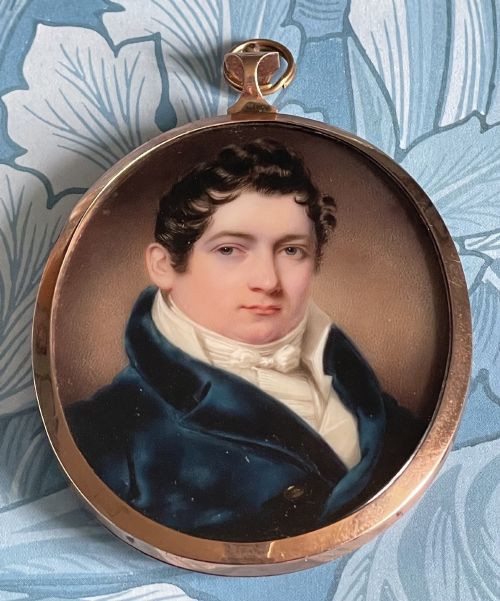
An oval gold locket functions as both personal ornament and miniature gallery, housing hand-painted portraits, hairwork, or photographs behind glass. When searching for an oval gold locket, a buyer encounters pieces ranging from simple hinged photo compartments to elaborate frames set with seed pearls, garnets, and diamonds.
The versions met most frequently on this page span the Georgian, Victorian, and Edwardian periods. These span from 18th-century enamel portraits set in gold frames to late 19th-century double-fronted rose gold designs and Etruscan Revival brooches.
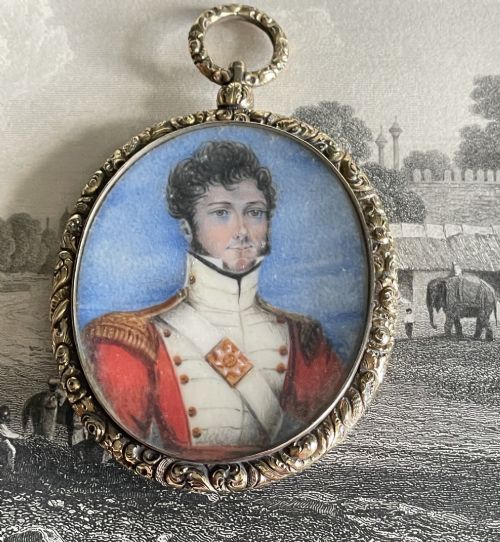
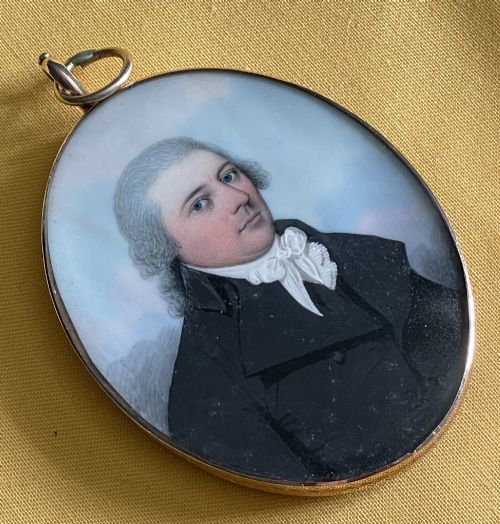
Makers utilised various forms of yellow gold, rose gold, and gilt metal, often combining the locket function with pendant or brooch fittings. The historical scope encompasses items intended to commemorate family members, naval officers, and gentlemen through detailed painting on ivory, vellum, or agate.
Materials and Construction
Makers constructed these pieces using solid gold standards such as 9ct, 14ct, 18ct, alongside gilt metal and silver-backed settings. Frames frequently incorporate glass to protect delicate interior components like watercolour paintings, silhouette profiles, and enamel work.
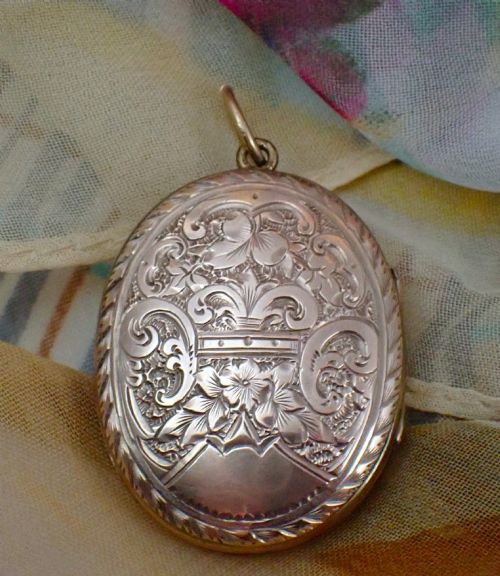
Surface decoration relies on traditional techniques including floral engraving, seed pearl setting, paste additions, and enamel work. Structural integrity depends on secure hinges, glass bezels, and integrated loops or pins allowing dual wear as pendants and brooches.
Several portraits capture subjects staring past the viewer with mild disapproval, as if judging today's choice of neckwear.
Assessing Quality and Execution
The distinction between ordinary and exceptional examples rests in the mastery of the miniature painting or the precision of the metalwork. Hand-painted portraits by documented artists demonstrate finer facial detail, proportion, and psychological depth than standard production pieces.
Material richness and structural complexity also divide the range. Pieces featuring high-karat gold, well-matched natural seed pearls, diamonds, or intricate Etruscan Revival granulation display a higher degree of artisan skill than plain stamped metal containers.
Henry Bone ARA·Richard Cosway·John C D Engleheart·Jacob Amyand·George Engleheart·William Grimaldi·Edward Pugh
The Oval Gold Locket Glossary
- Portrait Miniature
- A small, highly detailed painting executed on ivory, vellum, or card, designed to be worn or carried. These works required extraordinary brush control using miniature sable brushes.
- Seed Pearl
- Tiny, naturally occurring pearls threaded or set into jewellery designs. They gained immense popularity during the Georgian and Victorian periods for floral and geometric borders.
- Paste
- Faceted glass or lead crystal cut and polished to imitate gemstones like diamonds or coloured stones. High-quality paste work was prized in its own right for its refractive brilliance.
- Vinaigrette
- A small ornamental box or pendant featuring a perforated inner grille. It held a sponge soaked in aromatic vinegar to mask unpleasant odours.
- Etruscan Revival
- A 19th-century design movement inspired by archaeological discoveries of ancient Greek and Etruscan goldwork. It is characterised by wirework and granulation techniques.
Oval Gold Locket: Frequently Asked Questions
How do I date an oval gold locket?
Dating relies on stylistic clues, gold purity marks, and the method of construction. Georgian pieces often feature closed-back settings and hand-painted miniatures, while Victorian examples introduce hinged photographic compartments and machine engraving.
Examination of the clasp, pin mechanism, and surrounding decorative motifs such as seed pearls or Etruscan revival work helps narrow the decade of manufacture.
Were these lockets worn as pendants or brooches?
Many examples were designed to serve both functions simultaneously. They typically feature a hidden or folding loop alongside a secure pin back.
This dual configuration allowed the owner to pin the piece to a bodice or suspend it from a ribbon or gold chain depending on fashion.
What is inside a portrait miniature locket?
The interior compartment usually contains a hand-painted likeness on ivory, vellum, or card, protected behind a glass bezel. Subjects ranged from family members and military officers to romantic acquaintances.
Some pieces also incorporated woven human hair or photographic portraits as memorial or sentimental tokens.
How should I care for antique gold lockets?
Maintenance requires gentle handling to protect fragile interior elements like watercolour paintings and glass covers. They should be kept away from water, moisture, and harsh cleaning chemicals that could damage the gold surface or internal paper and ivory.
Storage in a padded jewellery box prevents scratching and strain on the delicate hinge and clasp mechanisms.