





Oval Ended Wooden Table
These oval ended wooden table examples span compact occasional pieces to large extending dining furniture, offering timeless timber surfaces for daily use.
Oval Ended Wooden Table
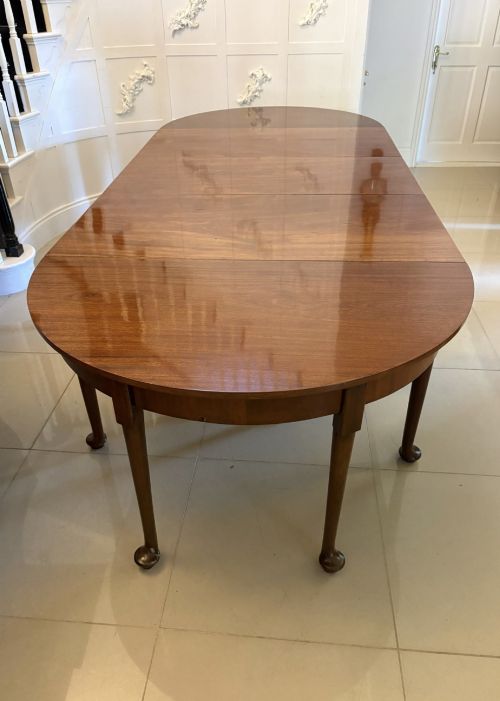
An oval ended wooden table brings curved ends and traditional timber construction into living and dining spaces. You will encounter these pieces across multiple periods, including the Georgian, Edwardian, and Art Deco eras.
The selection ranges from small side, lamp, and occasional tables to large extending dining tables designed to seat twelve. Mahogany remains the dominant timber, often accompanied by satinwood, oak, and various hardwoods.
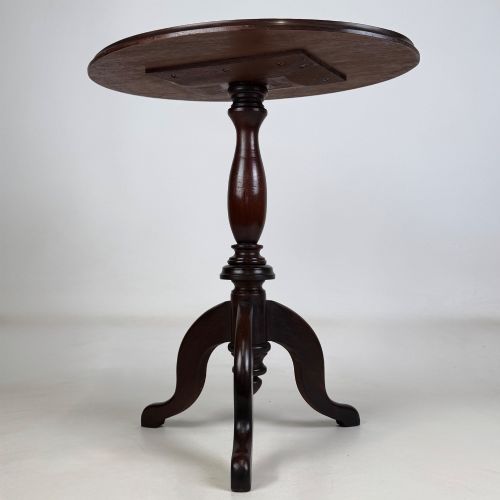
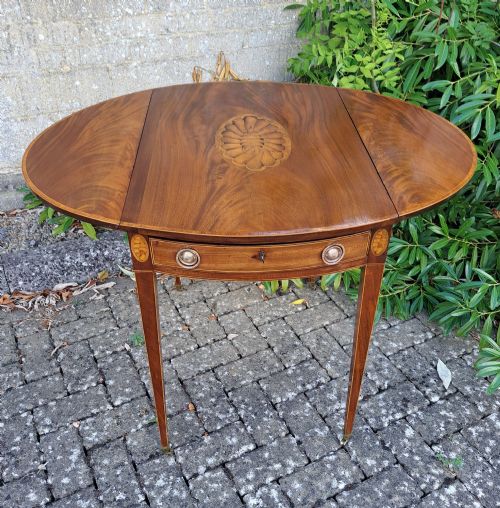
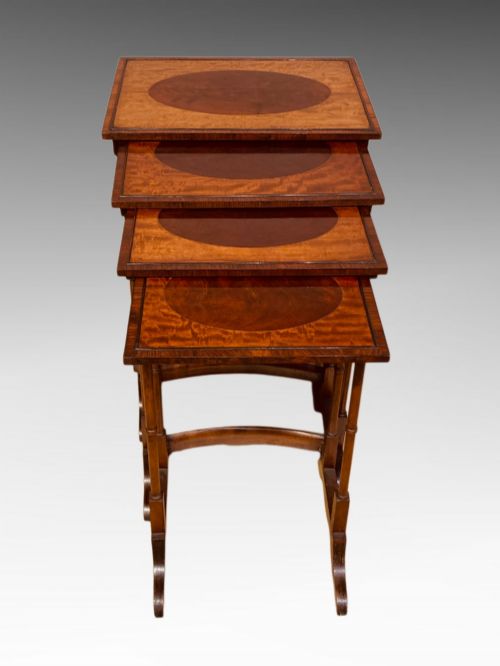
Forms vary significantly, encompassing tripod bases, Pembroke designs with drop leaves, nesting sets, and D-end dining configurations. Many examples incorporate decorative inlay, brass details, and painted surfaces.
Materials and Construction Techniques
Makers utilised solid timbers alongside wood veneers to achieve durable yet decorative surfaces. Mahogany forms the primary structural material across most periods, complemented by boxwood and bone inlay.
Inlaid details and wood veneer require precise craftsmanship, contrasting with carved mahogany components and turned tripod legs. Brass fittings provide functional support and subtle contrast to the dark timber.
Oval Ended Wooden Table Retail Price Guide 2026
Typical asking prices for oval ended wooden table among the pieces listed under this phrase on Sellingantiques today, from the lower quarter to the upper quarter. They describe what is for sale here now, not the wider market.
Listings feature mahogany predominantly, alongside satinwood, oak, and brass across periods spanning the eighteenth to the twentieth century.
Judging Quality and Execution
Quality rests in the precision of the timber selection and the execution of inlay work. Finer examples display carefully matched grain patterns and crisp carving on legs and edges.
The stability of extending mechanisms and the tightness of joints distinguish superior dining and occasional tables from simpler utility pieces.
The Oval Ended Wooden Table Glossary
- Pembroke table
- A small table with hinged flaps on either side that can be raised or lowered. These versatile pieces often feature single drawers and slender legs.
- Tripod table
- A small table supported by a single central pillar resting on three legs. This form gained popularity during the Georgian period for occasional use.
- D-end table
- A dining table section with one curved, semicircular end resembling the letter D. These pieces often combine with central leaves to form large extending dining tables.
- Inlay
- A decorative technique where contrasting materials are set into the surface of the wood. Boxwood, bone, and satinwood frequently create geometric or floral patterns.
- Occasional table
- A small, movable table intended for specific, intermittent use around a room. Examples include lamp tables, bedside tables, and side tables.
Oval Ended Wooden Table: Frequently Asked Questions
How do I use an occasional table?
An occasional table provides a convenient surface for lamps, books, or drinks in a sitting room or bedroom. Their compact footprint allows them to move easily as room layouts change.
Smaller tripod and side designs fit neatly beside seating or in hallways without overwhelming the floor space.
How do I identify Edwardian pieces?
Edwardian furniture often incorporates lighter satinwood, delicate painted motifs, and revival styles referencing earlier Georgian or Sheraton designs. These pieces date from the early twentieth century.
Construction methods during this period benefited from industrial standardisation while retaining hand-finished decorative details.
How should I care for mahogany surfaces?
Mahogany requires regular dusting with a soft cloth to protect the polished timber finish from abrasive particles. Avoid placing wooden tables in direct sunlight or near heat sources to prevent warping.
Applying a suitable wax polish periodically helps maintain the moisture and natural lustre of the wood.