




Oval Blue Sapphire Ring
An oval blue sapphire ring brings together deep blue stones and brilliant diamond surrounds across Edwardian, Art Deco and mid-century designs.
Oval Blue Sapphire Ring
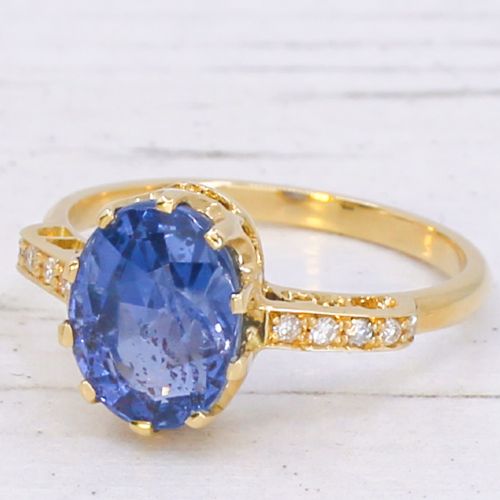
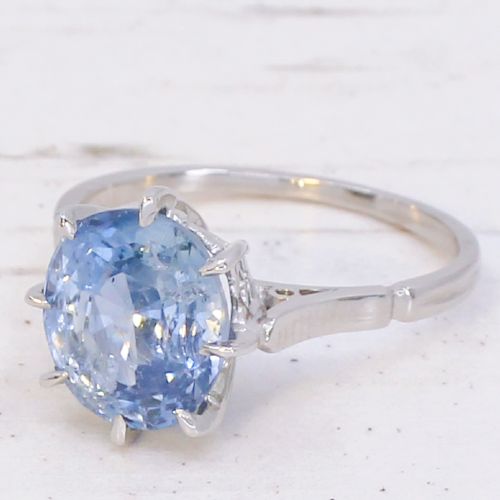
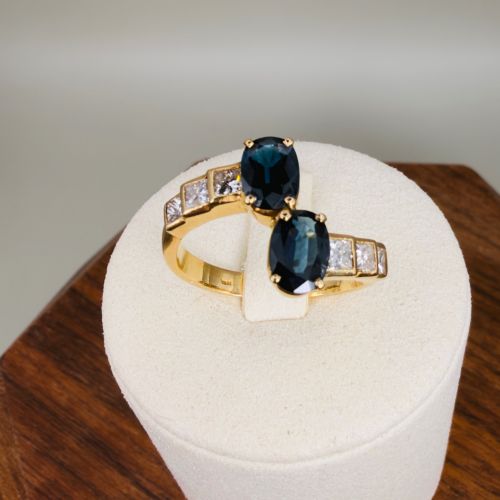
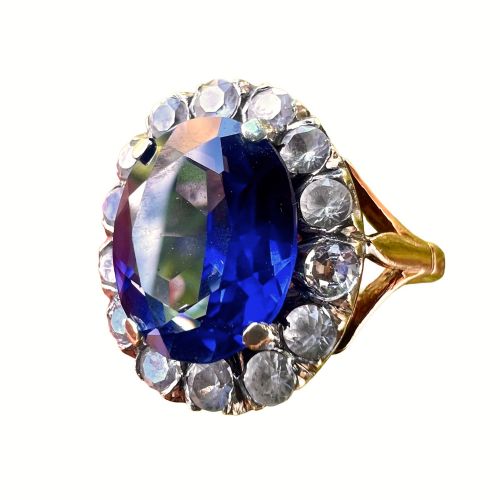
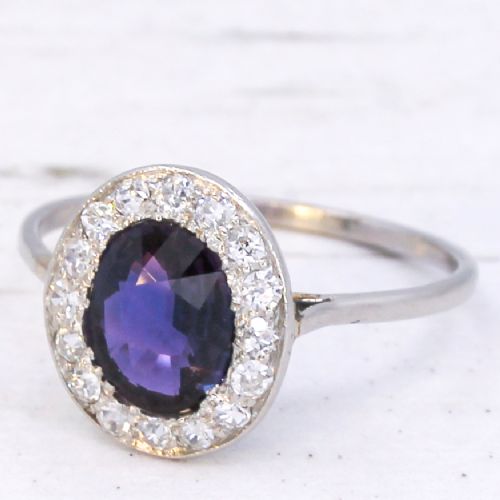
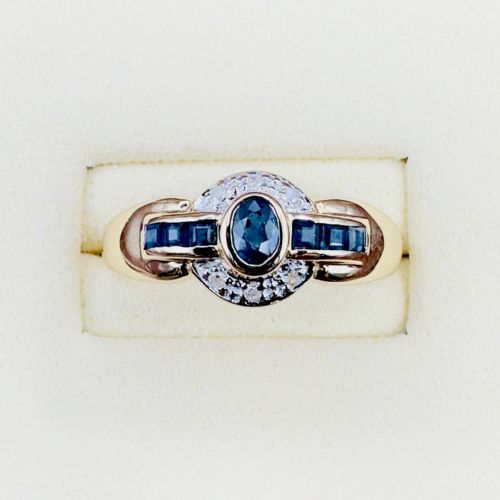
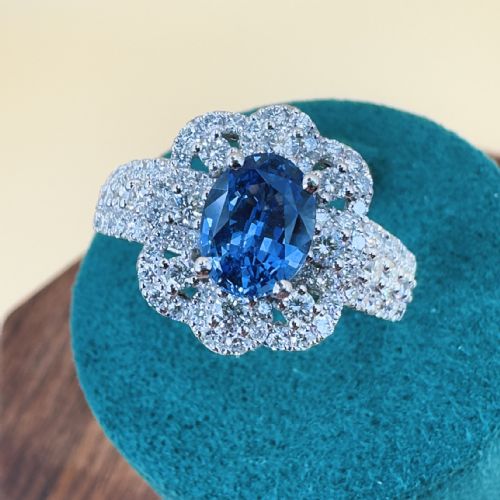
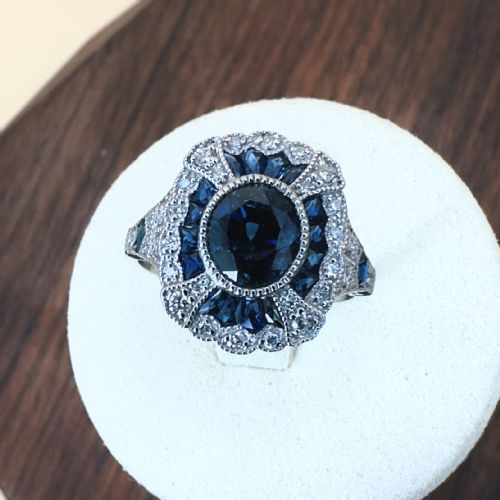
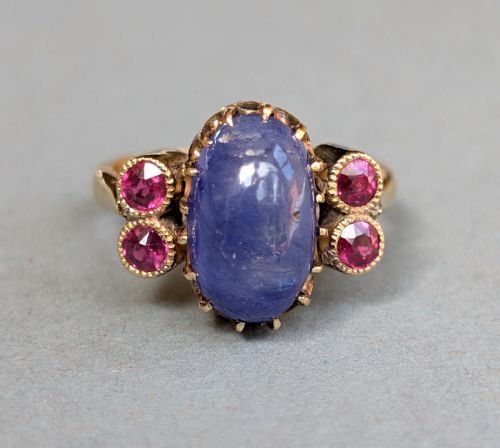
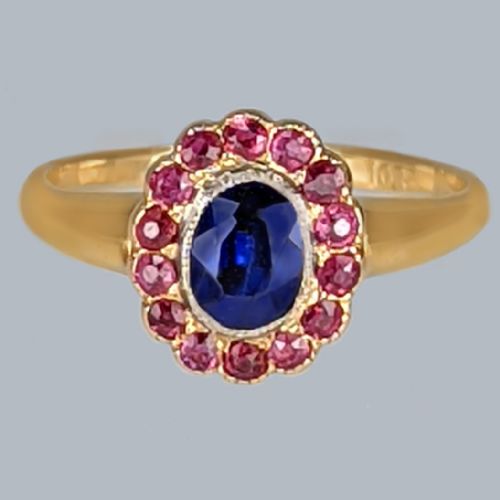
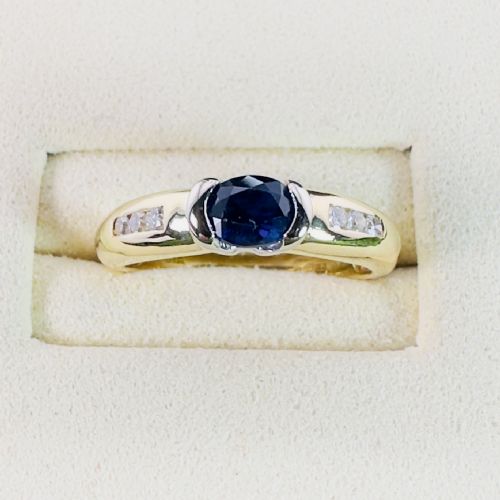
An oval blue sapphire ring centres on an oval-cut corundum stone, often framed by a halo of diamonds or shaped as part of a cluster design. These pieces span eras from the Edwardian period through Art Deco and mid-century modernism.
The selection here includes platinum and gold settings, with yellow gold, white gold and 18ct gold providing distinct tones for the central gems. Cluster rings and cocktail rings appear frequently alongside traditional trilogy arrangements.
How they were made
Metals such as platinum and 18ct gold were shaped to hold central sapphires alongside diamond accents, utilising claw settings and bezel mounts. White gold and platinum combinations were common in Art Deco designs to maximise the reflection of light.
Gemstones including unheated Ceylon sapphires and Burmese sapphires were cut into oval shapes and paired with brilliant-cut, princess-cut or rose-cut diamonds. Jewelers employed cluster and halo arrangements to accentuate the size and colour of the primary stone.
Listings feature yellow gold, white gold and platinum settings alongside unheated Ceylon and Burmese sapphires.
What varies in quality
The origin and treatment status of the sapphire strongly influence the standing of a piece, with unheated Ceylon or Burmese stones commanding attention. The intensity of the cornflower or deep blue hue determines visual impact within the setting.
Setting execution and metal weight differentiate standard production from finer workmanship. Platinum mountings and balanced diamond surrounds contribute to the overall harmony of the cluster.
Le Vian
The Oval Blue Sapphire Ring Glossary
- Ceylon sapphire
- A corundum gemstone originating from Sri Lanka, noted for its bright and luminous blue coloration. These stones frequently appear in mid-century and vintage pieces.
- Cluster ring
- A design featuring a central gemstone surrounded by a group of smaller stones, typically diamonds. This arrangement maximises overall sparkle on the finger.
- Trilogy ring
- A setting comprising three stones placed in a row, often symbolising past, present and future. Sapphires and diamonds are commonly combined in this format.
- Platinum
- A dense, durable and naturally white precious metal used to secure high-value gemstones safely. It provides a strong setting without distracting from the stones.
- Rose-cut diamond
- An antique diamond cut featuring a flat base and a domed crown with triangular facets. This historic cut produces a softer, broader reflection than modern brilliant cuts.
Oval Blue Sapphire Ring: Frequently Asked Questions
How do I date an antique sapphire ring?
Dating relies on stylistic markers such as Edwardian filigree work, geometric Art Deco platinum settings or the bolder cluster profiles of the mid-century era. Hallmarks stamped inside the band also provide specific metal and assay office details.
Examining the cut of the surrounding diamonds and the construction of the basket beneath the stones helps confirm the period of manufacture.
Are unheated sapphires more desirable?
Unheated sapphires have not undergone thermal enhancement to improve their natural colour or clarity. This makes them scarcer and often more sought after by collectors.
Gemological reports typically accompany these stones to verify their natural status and geographical origin.
What is the difference between Edwardian and Art Deco settings?
Edwardian rings utilise platinum and yellow gold with intricate lace-like openwork, millegrain edges and softer floral motifs. They emphasise delicate elegance and high-grade diamond highlights.
Art Deco designs shift towards geometric symmetry, sharp lines and stark white platinum or white gold frameworks that contrast directly with the deep blue sapphire.
How should I care for a vintage sapphire ring?
Sapphires rank high on the hardness scale, making them durable for daily wear, but the surrounding gold or platinum settings require periodic inspection by a jeweller. Regular checks ensure the claws holding the central stone and melee diamonds remain secure.
Cleaning is best performed using warm soapy water and a soft brush, avoiding harsh ultrasonic cleaners on older antique mountings.