


Outdoor Wrought Iron Seats
These outdoor wrought iron seats bring enduring metalwork and comfortable structure to any garden.
Outdoor Wrought Iron Seats
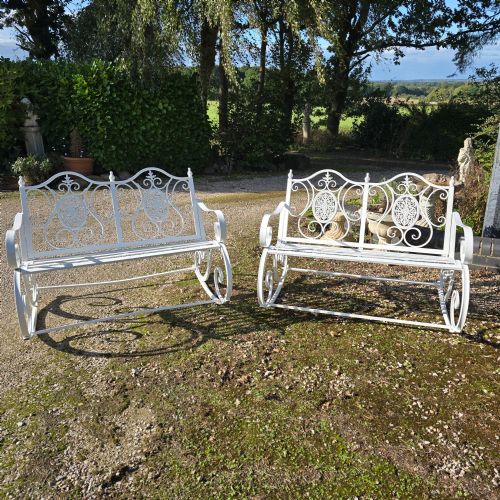
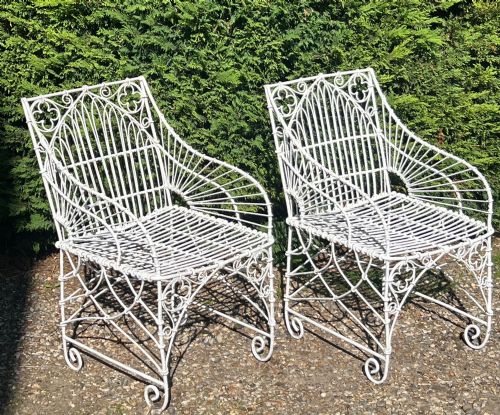
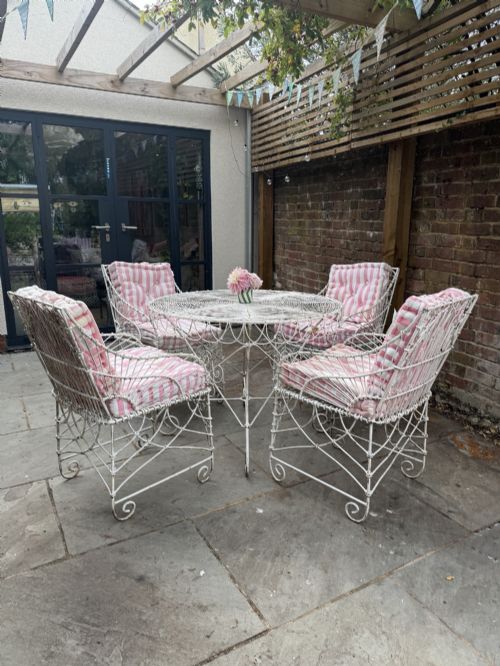
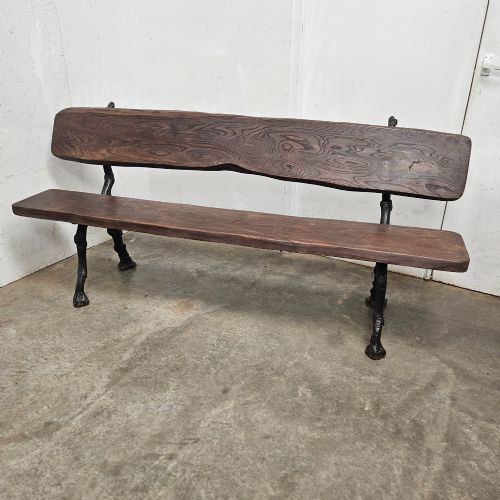
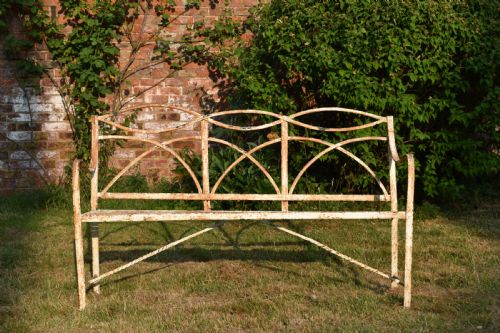
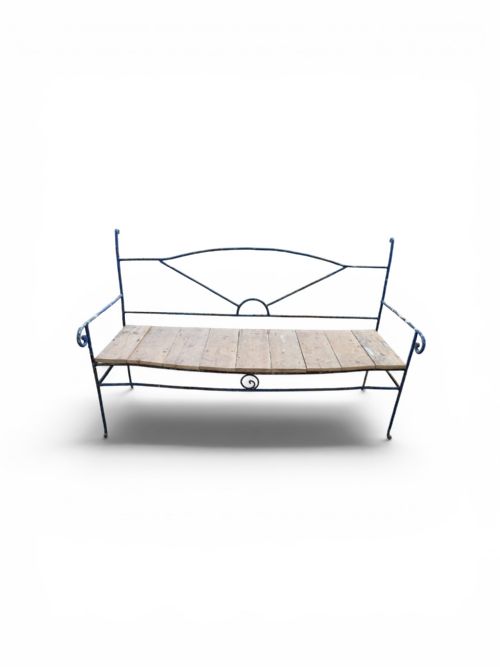
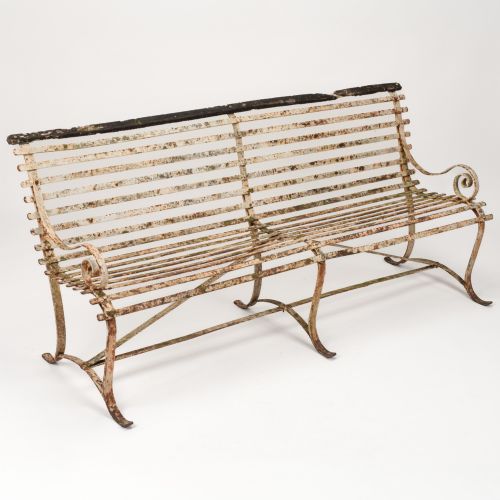
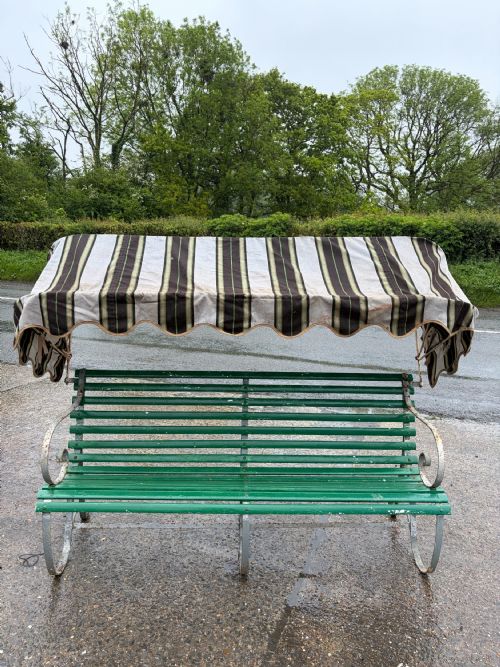
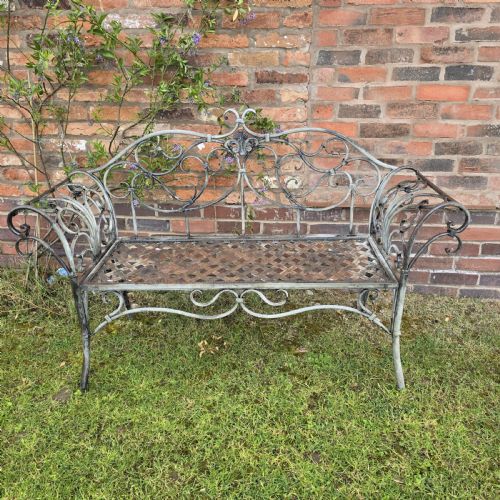
When you search for outdoor wrought iron seats, you encounter sturdy garden furniture spanning the nineteenth century through the interwar decades. The selection includes simple strapwork benches, matching dining sets, and architectural pieces with canopies.
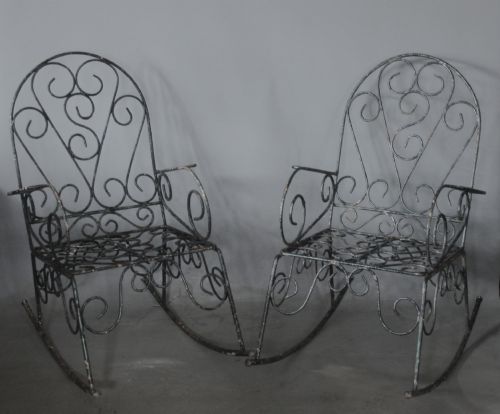
Victorian and Regency examples appear frequently alongside French country designs and Gothic-influenced metalwork. Buyers often find single garden benches, paired rocking chairs, and complete sets comprising tables and folding chairs.
Origin details range from English workshops to French provincial makers, utilising durable metals designed to withstand outdoor environments. Pieces frequently exhibit layers of historic paint accumulated through decades of garden use.
Assessing Quality and Craftsmanship
The sophistication of the strapwork scrollwork and the symmetry of the hand-forged elements distinguish finer examples from standard production pieces. Heavier gauge iron and complex architectural frames, such as those featuring integrated canopies or faux bois detailing, indicate superior workshop origins.
The survival of original surface paint layers contributes significantly to the character and authenticity of older metalwork. Pieces that retain their structural integrity without excessive pitting or heavy corrosion demonstrate better initial material quality and subsequent care.
The Outdoor Wrought Iron Seats Glossary
- Strapwork
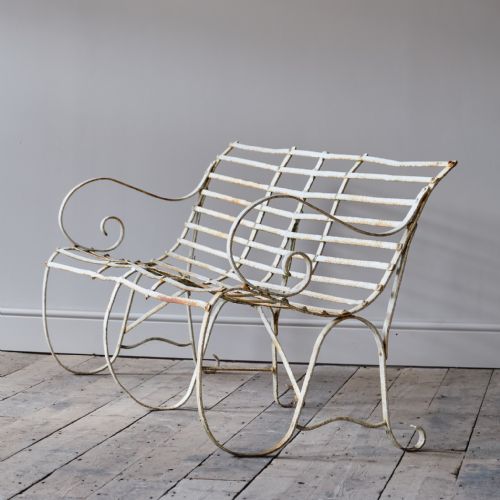
- Flat strips of iron riveted together in geometric patterns to form the backrests and seats of benches. This technique provides both flexibility and sturdy support.
- Faux Bois
- A decorative technique where metal or masonry is painted and shaped to imitate natural wood grain. French garden benches occasionally utilise this organic style.
- Arras
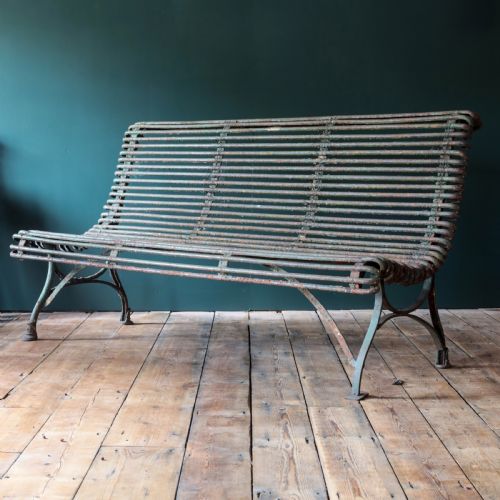
- A distinct style of French metal garden furniture produced in a specific northern town. These pieces are characterised by sturdy iron construction and distinctive maker plaques.
- Wirework
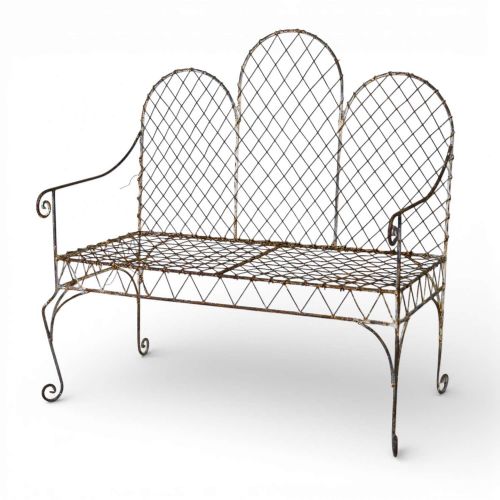
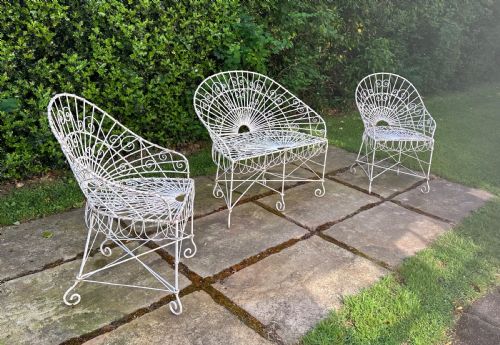
- A method of constructing garden seats and arbours from woven or welded metal wire. This lighter technique creates permeable, airy structures popular in Victorian landscapes.
- Gothic Revival
- An architectural and decorative style incorporating pointed arches and ecclesiastical motifs. Iron garden seats from this tradition reflect medieval stone tracery.
Outdoor Wrought Iron Seats: Frequently Asked Questions
How do I date an old iron bench?
Dating relies on examining construction methods, such as the presence of hand-forged rivet marks versus later machine welding. Stylistic clues like Regency strapwork or Victorian Gothic motifs also help narrow down the period.
Material composition provides further evidence, as nineteenth-century pieces often combine wrought iron bars with cast iron supports. Surviving layers of historic paint can be analysed to confirm the age of the surface.
Can these seats stay outside all year?
Most historic iron garden furniture is built to withstand outdoor elements, having done so for generations. However, severe winter frost and continuous moisture can accelerate metal corrosion and damage wooden slats.
Owners often store lighter wirework or fabric-accented pieces in a shed or conservatory during harsh weather. Regular maintenance helps preserve the remaining protective paint layers.
How should I clean rusted iron furniture?
Cleaning generally involves removing loose debris and flaking rust with a soft wire brush or fine steel wool. Care must be taken to preserve any desirable historic paint layers beneath the surface dirt.
Applying a specialist wax or protective oil can stabilise exposed metal and prevent further oxidation. Aggressive chemical stripping should be avoided to maintain the authentic patina.
What is the difference between wrought and cast iron?
Wrought iron is manually heated and hammered by blacksmiths into flexible bars that bend without snapping. This material is typically used for the intricate strapwork and scroll designs on garden seats.
Cast iron is poured into moulds while molten, resulting in rigid, heavier components often utilised for bench ends and structural legs. Many antique benches successfully combine both materials for strength and ornamentation.