




Outdoor Copper Light
An outdoor copper light brings lasting character to an exterior wall or gate, combining hardy metalwork with the soft glow of glass.
Outdoor Copper Light
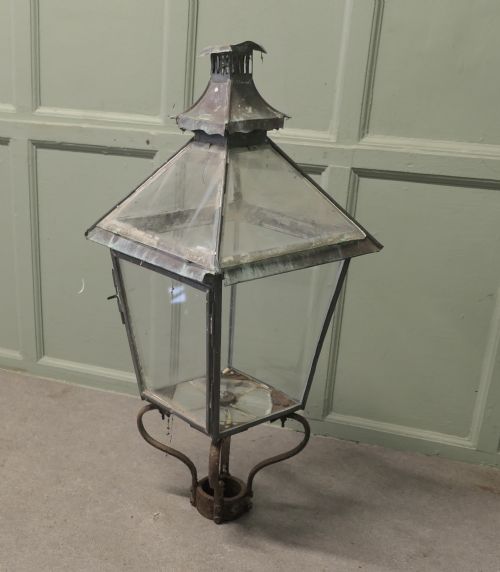
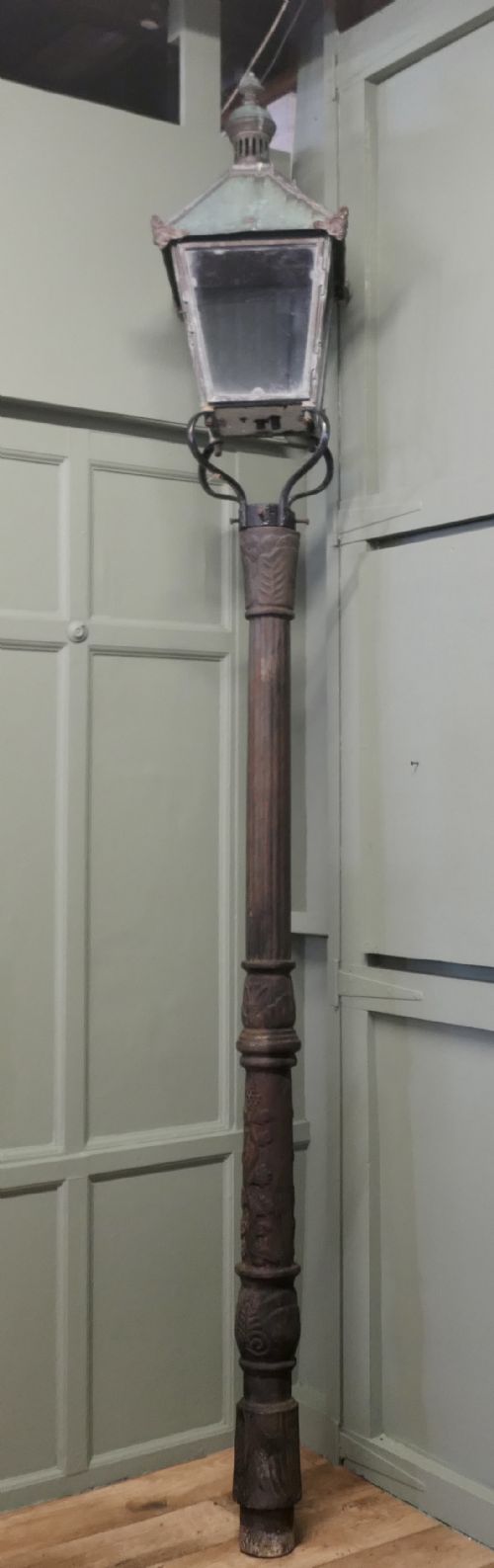
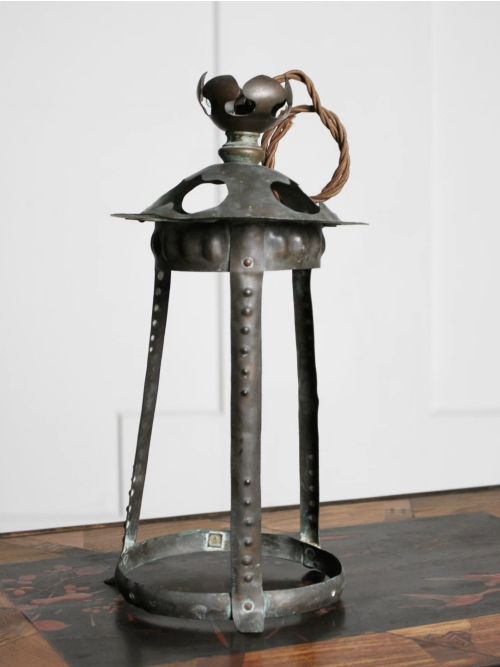
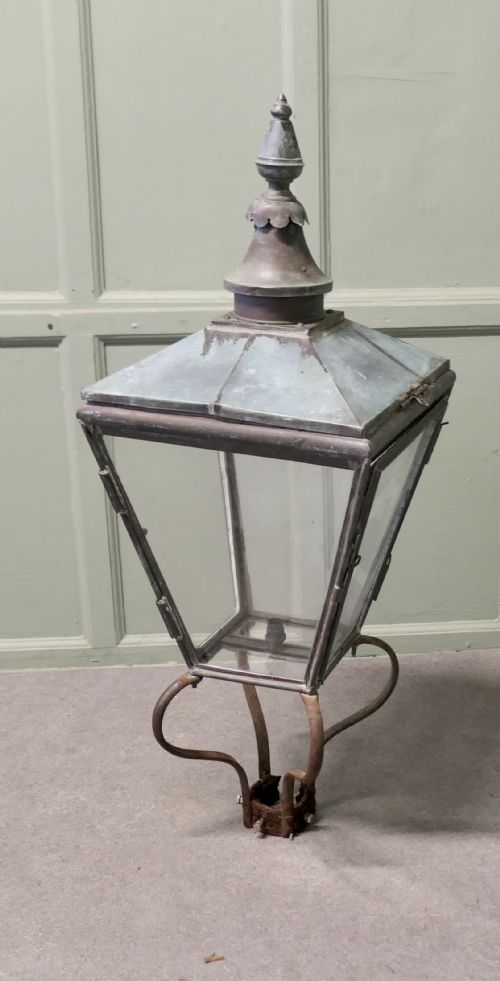
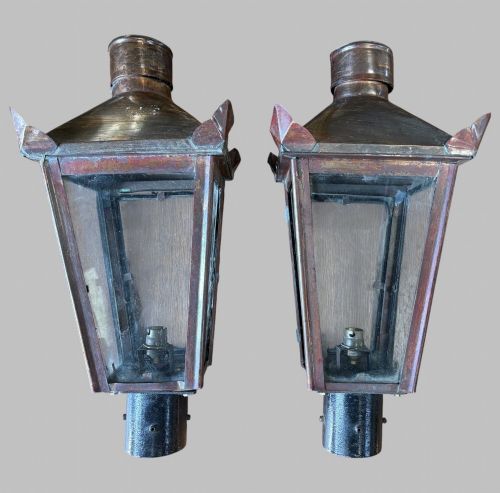
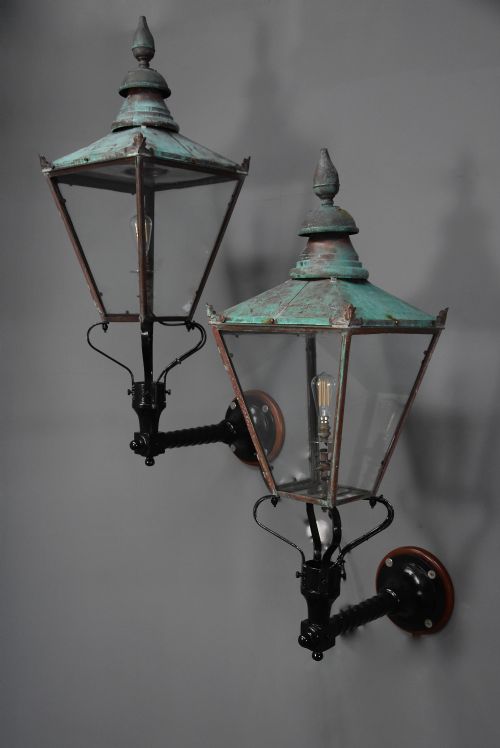
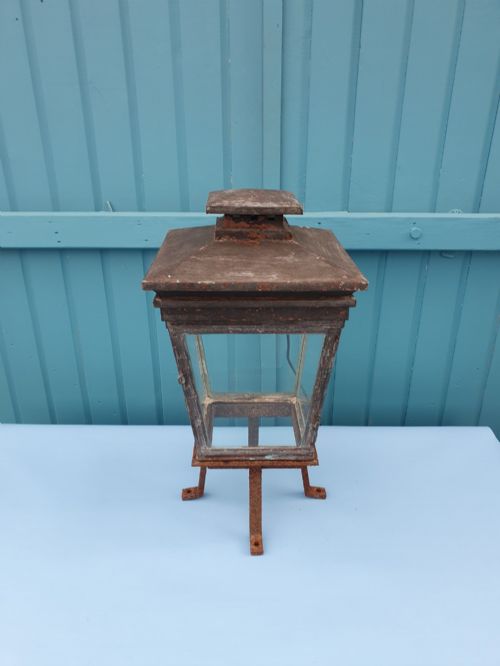
An outdoor copper light encompasses lantern forms and wall lights designed to brave the elements while lending historic charm to a property. When searching for an outdoor copper light, buyers typically encounter pieces drawn from Victorian, Edwardian, and Arts and Crafts traditions. These fixtures range from substantial street lanterns and post lights to compact porch fixtures and coach-house wall sconces.
The assortment on this page includes robust iron and copper lampposts, large octagonal wall lanterns, and pairs of brass and copper half lanterns. Many examples reflect vernacular styles such as French Chateau or Windsor, alongside neo-classical coach-house designs. Materials span from verdigris patinated copper to combinations of cast iron, wrought iron, and glass.
Origins stretch from the late nineteenth century through to the early decades of the twentieth century, capturing an era of municipal street lighting and grand residential entrances. Some surviving pieces retain evidence of their past utility, including historical conversions from gas supply. Such heritage gives each fixture an authentic grounding that modern reproductions struggle to replicate.
Materials and construction methods
Panels of glass were fitted into the copper framework to shelter the flame or bulb, held securely by traditional glazing bars and metal tabs. Many lanterns display hand-beaten or soldered seams, reflecting the workshop techniques of the nineteenth and early twentieth centuries. Over decades of exposure, the copper developed rich patinas ranging from warm metallic tones to weathered verdigris.
Outdoor Copper Light Retail Price Guide 2026
Typical asking prices for outdoor copper light among the pieces listed under this phrase on Sellingantiques today, from the lower quarter to the upper quarter. They describe what is for sale here now, not the wider market.
Listings feature wall lights, street lighting, and post lanterns spanning the Victorian, Edwardian, and Arts and Crafts periods.
Distinguishing quality and craftsmanship
Quality in these fixtures rests on the gauge of the metal and the integrity of the structural brackets that support the weight of the lantern. Superior examples feature heavy copper sheets, robust iron scrollwork, and crisp detailing that has survived decades outdoors without losing its structural form. Lighter, more utilitarian pieces lack the sculptural refinement found in grander coach-house or street lanterns.
The articulation of design details, such as spiral twist wall brackets or neo-classical cast mounts, separates standard utility lighting from distinguished architectural pieces. Original glass panels and intact historical surfaces contribute significantly to the character of a fixture. Uniformity in a matched pair further elevates the standing of lanterns designed for flanking a grand entrance.
A Foster & Pullen Bradford
The Outdoor Copper Light Glossary
- Verdigris
- A green patina that forms naturally on copper and bronze through atmospheric weathering. This chemical layer protects the underlying metal from further corrosion.
- Coach-house lantern
- A wall-mounted light fixture historically positioned near the entrance of a stable or carriage house. These designs typically project outward to illuminate waiting vehicles and visitors.
- Post lantern
- A light designed to mount vertically atop a gate pier, wall, or dedicated lamppost. They provide elevated illumination for pathways and driveway entrances.
- Arts and Crafts
- A design movement prioritising traditional craftsmanship, visible construction, and simple forms over mass-produced ornamentation. It heavily influenced light fixtures of the late Victorian and Edwardian periods.
- Neo-classical
- A style drawing inspiration from the classical architecture of ancient Greece and Rome. In lighting design, this appears through symmetrical mounts, urn motifs, and balanced proportions.
Outdoor Copper Light: Frequently Asked Questions
How do I install a vintage outdoor copper light?
Most antique outdoor lights require professional electrical conversion and mounting to ensure they meet modern safety standards for exterior use. A qualified electrician can adapt the internal wiring to house a standard lamp holder while preserving the historic exterior.
Secure mounting is essential, particularly for large wall lanterns and heavy iron brackets. Ensure the supporting wall or post can bear the combined weight of the metal and glass assembly.
Can these lights remain outside in all weather?
Copper and iron fixtures are naturally resilient outdoors, developing protective patinas when exposed to rain and air over many years. Regular checks help ensure that protective seals and glass panes remain secure against moisture ingress.
While the metals withstand the elements well, extreme coastal environments can accelerate corrosion on iron components. Applying a suitable wax or protective treatment can help preserve vulnerable iron brackets.
How should I clean a weathered copper lantern?
Gentle washing with warm water and a mild soap removes surface dirt without disturbing the historic patina. Avoid abrasive scourers or harsh chemical cleaners that strip away the aged character of the copper.
If you prefer a brighter metallic finish, specialised copper cleaners can be used with care. However, most collectors prize the dark tones and verdigris accumulated over a century of exposure.
How do I date an antique copper light?
Dating relies on examining the construction techniques, fastening methods, and prevailing architectural styles of the period. Fixtures from the Victorian era often feature heavier cast iron elements, while Edwardian examples can display more refined brass detailing.
Documentation, maker stamps, or evidence of conversion from gas to electricity also provide reliable chronological markers. Comparing the mounting bracket style to contemporary architectural hardware helps narrow the decade of manufacture.