
Ottoman Style Carved Wood
These ottoman style carved wood pieces bring together intricate woodwork and traditional seating forms from the nineteenth and early twentieth centuries.
Ottoman Style Carved Wood
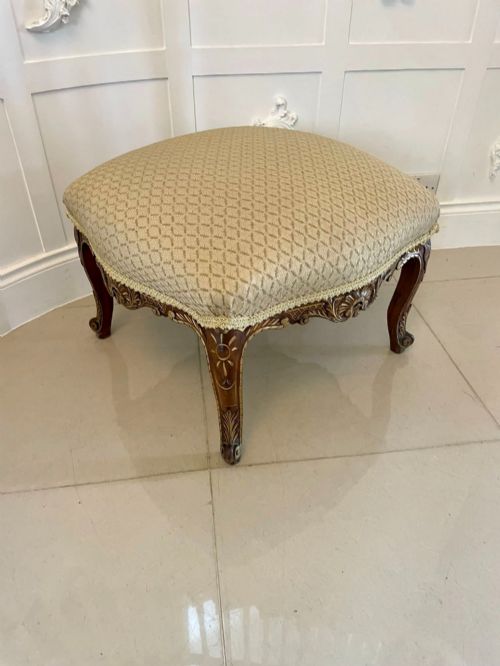
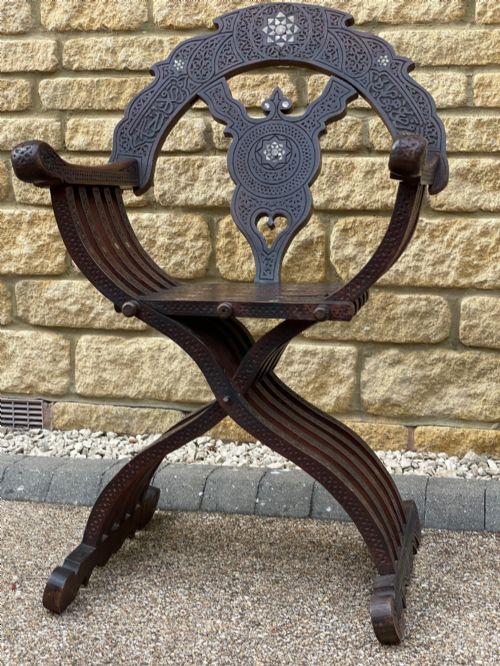
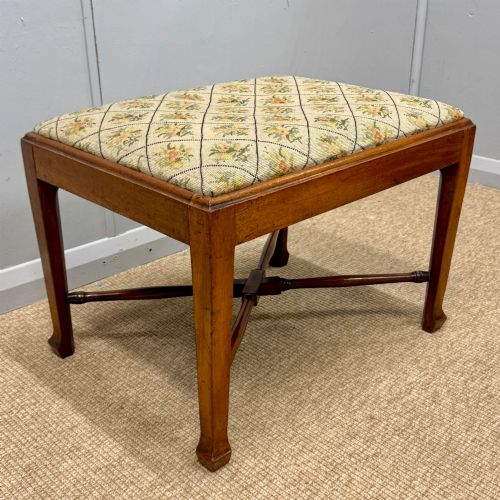
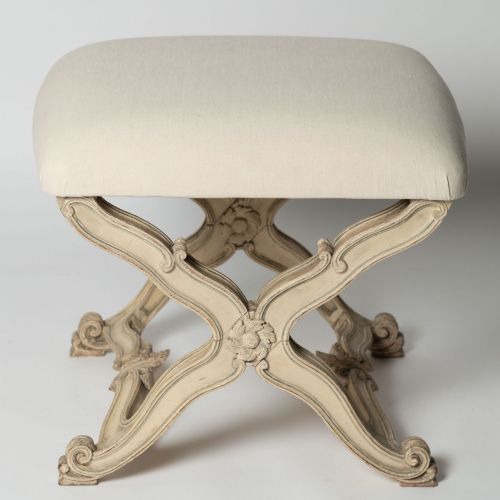
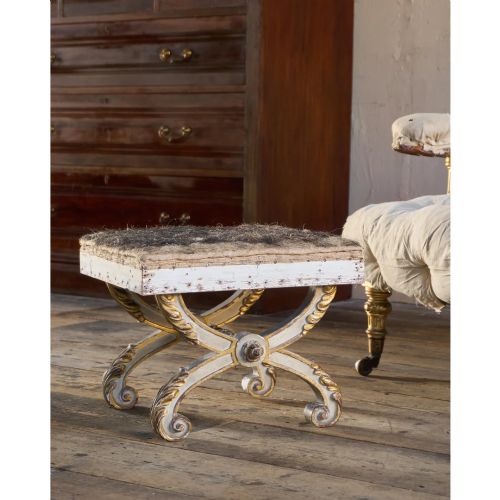
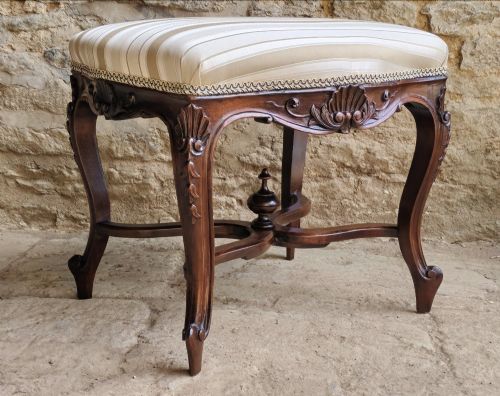
Buyers seeking ottoman style carved wood encounter a distinct variety of low seating, footstools, window seats, and occasional tables spanning the Victorian and Edwardian eras. The selection draws heavily on revival aesthetics and Middle Eastern influences, incorporating forms such as the curule stool, the low window seat, and the octagonal lamp table.
The objects stem from diverse European and Eastern workshops, merging local carpentry traditions with exotic surface decoration. Walnut, mahogany, and hardwood provide the structural foundation for items ranging from plain footstools to heavily ornamented window seats.
Most examples originate between the mid nineteenth century and the early twentieth century, reflecting periods of intense revivalism and global trade. The grouping relies on solid timber construction combined with decorative upholstery, bone inlay, or gilding.
Materials and construction methods
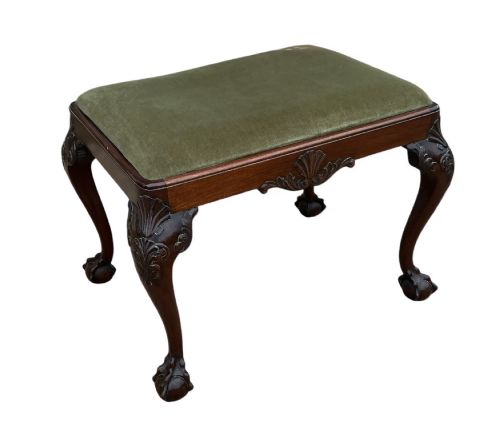
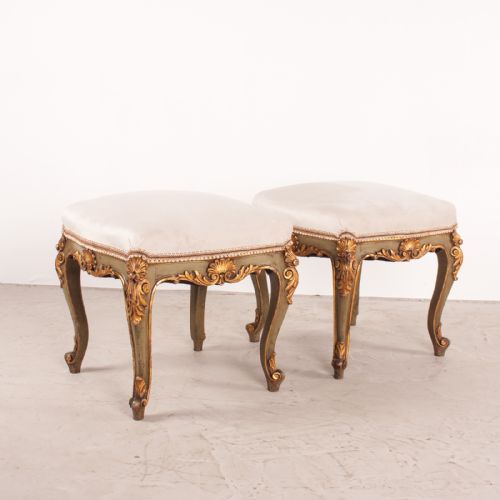
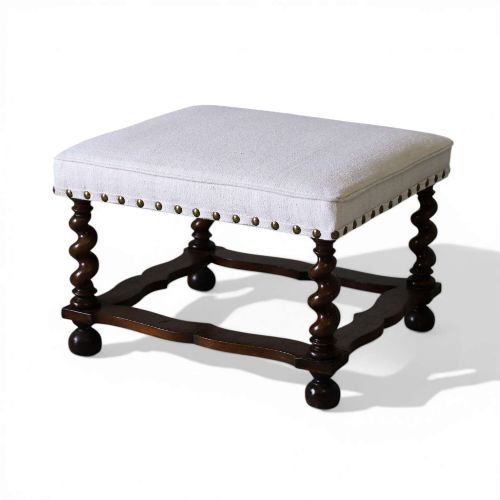
Makers utilised dense timbers such as walnut, mahogany, and various hardwoods to construct frames capable of supporting intricate carving and applied decoration. These woods were often turned, carved into cabriole legs, or shaped into X-frame curule bases.
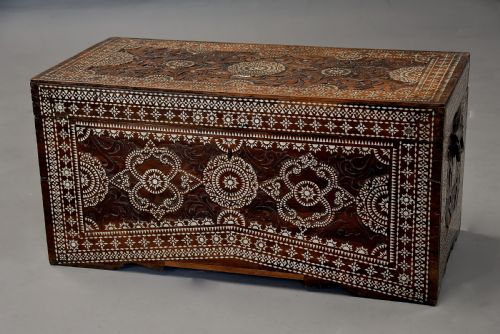
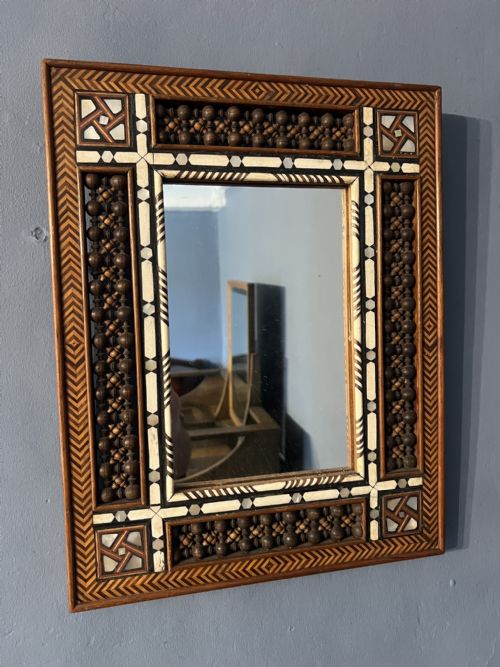
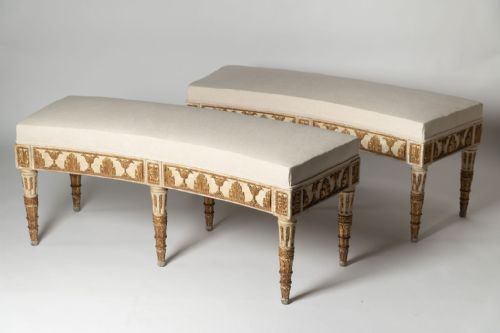
Surface embellishment frequently involved mother of pearl, bone inlay, gesso, and gold leaf applied to painted or gilded wood. Upholstery materials such as fabric, leather, and linen completed pieces designed for domestic comfort.
Some nineteenth-century makers hid intricate bone inlay inside window seats just so the cat had something complex to ignore.
Evaluating the craftsmanship
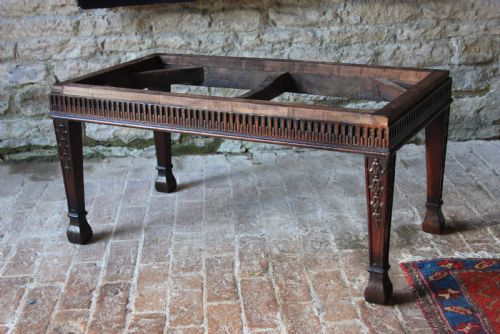
The standard of a piece depends on the depth and crispness of the timber carving, alongside the integrity of the underlying joinery. Strong frames demonstrate precise joints and well-balanced proportions without excessive structural reinforcement.
The execution of surface decoration distinguishes workshop output, particularly in inlaid or gilded examples. Intricate mother of pearl placement and clean gesso work indicate high skill levels among period artisans.
Miles & Edwards·Loidrault Freres Paris
The Ottoman Style Carved Wood Glossary
- Curule stool
- An ancient Roman magistrate seat form revived in nineteenth-century seating, characterised by intersecting curved legs. This X-shape design provides sturdy support while maintaining a light profile.
- Mashrabiya
- A traditional projecting window enclosed with carved wood latticework, influencing the decorative vocabulary of Middle Eastern furniture. This technique creates geometric patterns through interlocking wooden elements.
- Giltwood
- Timber coated with gold leaf or powder over a prepared ground layer such as gesso. This finish creates a bright metallic appearance popular in formal revival seating.
- Oyster veneer
- Decorative woodwork cut transversely from small branches to produce circular or oval patterns resembling oyster shells. This technique appears on seventeenth-century revival furniture elements.
- Cabriole leg
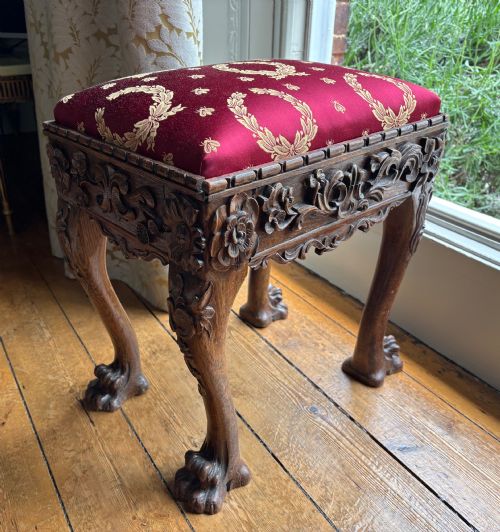
- A furniture leg featuring a double curve, typically arching outward and then tapering inward to a foot. This form derives from animal limbs and frequently terminates in scroll or claw details.
Ottoman Style Carved Wood: Frequently Asked Questions
What defines an ottoman style carved wood window seat?
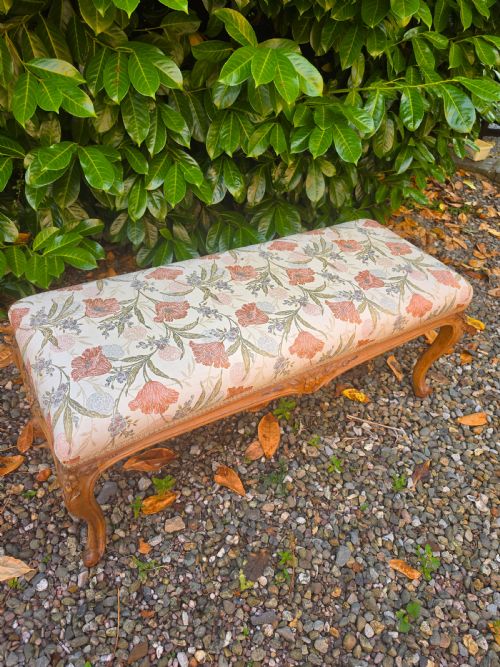
These long seats combine low profiles with upholstered surfaces, designed specifically for placement beneath windows or along hallways.
They often incorporate revival framing, carved woodwork, and detailed fabric or leather covers matching nineteenth-century domestic interiors.
How do inlaid mother of pearl pieces differ from carved giltwood?
Inlaid items rely on geometric patterns formed by embedding shell or bone into hardwood surfaces, drawing from Middle Eastern design traditions.
Giltwood pieces utilise carved timber coated in gold leaf, reflecting European court styles such as Rococo and Louis XIV revivals.
Where were these carved wooden stools placed in period homes?
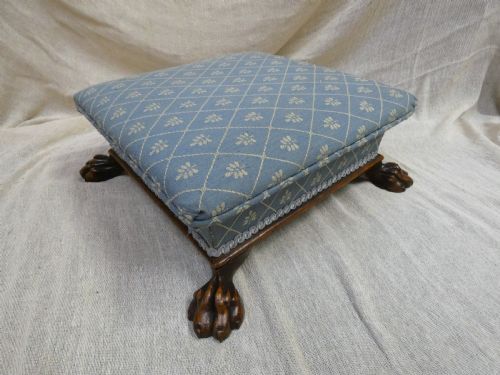
Stools served multiple domestic functions, operating as footstools before larger chairs, dressing table seats, or freestanding occasional furniture.
Their compact size allowed easy movement between drawing rooms, bedrooms, and parlours according to daily requirements.
How can one identify Victorian versus Edwardian examples?
Victorian items frequently exhibit heavier proportions, deep walnut or mahogany carving, and robust revival styling inspired by earlier centuries.
Edwardian pieces often introduce lighter hardwood construction, simpler stretcher arrangements, and influences from broader international trade.