



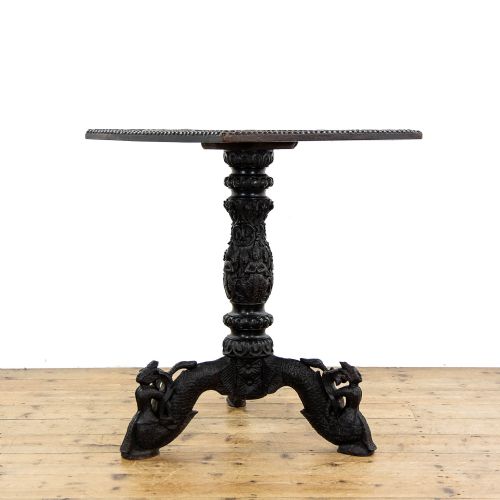


Ornate Wooden Lamp
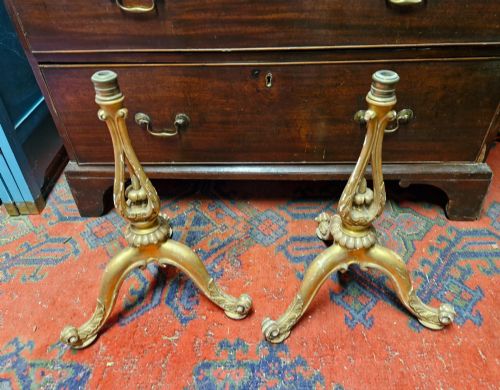
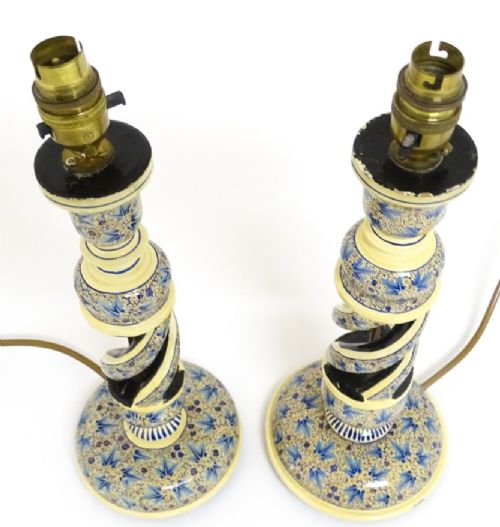
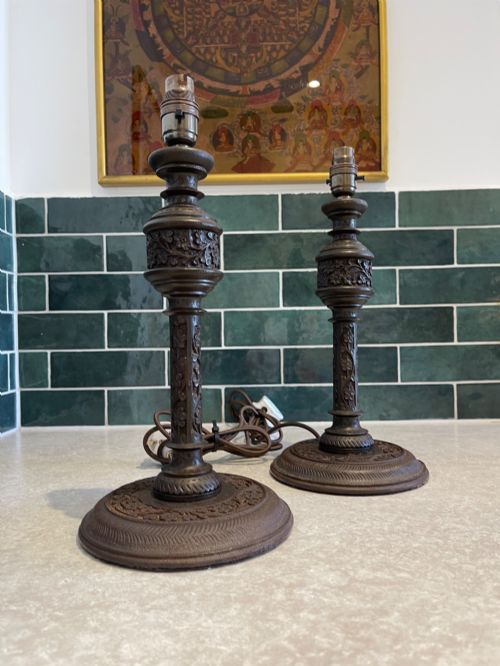
An ornate wooden lamp brings sculptural presence and rich hand-carved detail to a room, drawing the eye with gilt and timber forms.
Ornate Wooden Lamp
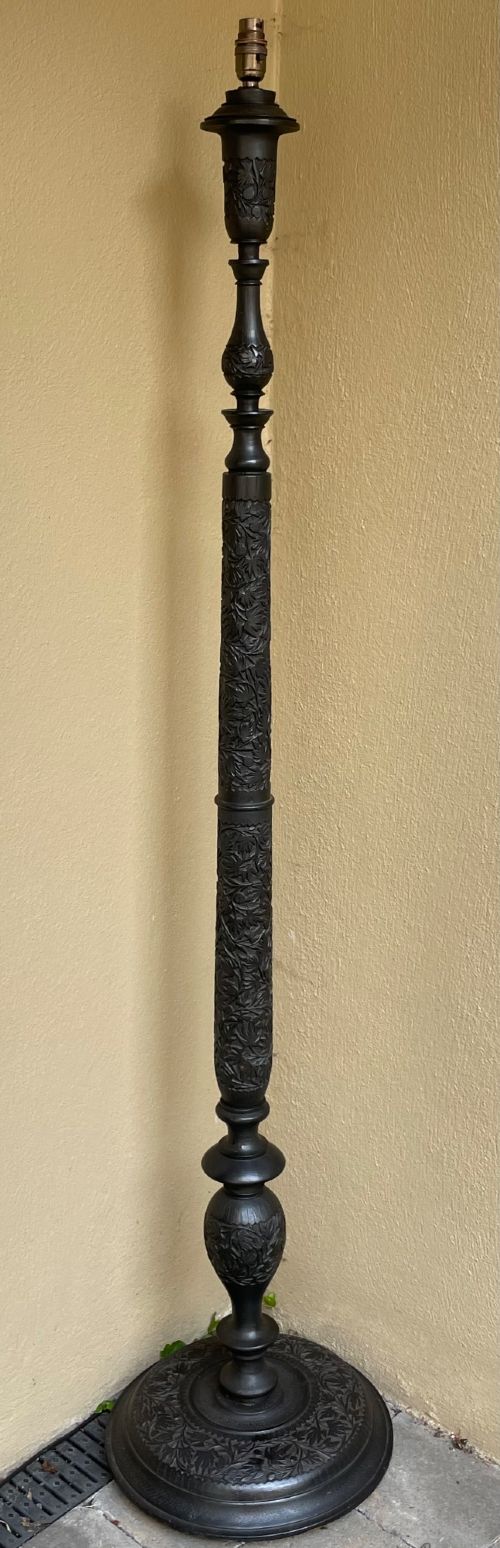
An ornate wooden lamp spans towering standard lamps for floor placement and compact table lamps designed for side surfaces. These items emerge from various periods, including the eighteenth, nineteenth, and early twentieth centuries.
Makers utilised wood, carved wood, padouk, and giltwood, often enhancing the timber with gesso, silver leaf, and brass fittings. Fabric shades frequently complement these bases, completing the traditional lighting arrangement.
How they were made
Artisans carved solid timbers by hand, producing intricate surface relief and sculptural silhouettes before applying layers of gesso. This preparation created a smooth, receptive ground for subsequent gilding or painting.
Craftsmen applied gold or silver leaf to the gessoed wood, burnishing the metal to achieve a deep lustre, or finished the timber with detailed hand-painted motifs. Brass components were integrated to secure electrical fittings or original candleholders.
Ornate Wooden Lamp Retail Price Guide 2026
Typical asking prices for ornate wooden lamp among the pieces listed under this phrase on Sellingantiques today, from the lower quarter to the upper quarter. They describe what is for sale here now, not the wider market.
Listings feature pieces spanning from the eighteenth century through to the 1930s, utilising giltwood, padouk, and hand-painted timber.
What varies in quality
The depth and crispness of the hand carving distinguish finer examples from simpler production, particularly where foliage and figural elements are rendered with anatomical or botanical precision. Superior pieces exhibit balanced proportions and harmonious integration between the timber base and any applied metalwork.
The integrity of the original surface finish, whether aged gilding or hand-painted decoration, dictates the visual authority of the piece. Preservation of early gesso and original leaf work carries significant weight among discerning collectors.
The Ornate Wooden Lamp Glossary
- Giltwood
- Wood that has been coated with a thin layer of gold leaf. This technique was widely utilised on decorative furnishings from the Baroque and Rococo periods to emulate solid gold.
- Gesso
- A plaster-like mixture applied to wood surfaces as a base for gilding or painting. It allowed craftsmen to achieve a smooth, flawless ground for intricate carving details.
- Standard Lamp
- A tall floor-standing lamp designed to provide ambient illumination. These pieces often feature heavy turned or carved wooden shafts for stability.
- Torchere
- A tall ornamental stand originally designed to hold a torch or candle. Later examples were frequently adapted to function as electric standard lamps.
- Padouk
- A heavy, durable tropical timber known for its rich reddish-brown colour. Craftsmen favoured it for substantial carved furniture and standard lamps.
Ornate Wooden Lamp: Frequently Asked Questions
How do I wire an antique wooden lamp?
Rewiring should be handled by a qualified electrician to ensure modern safety standards are met without damaging the historic structure. Many collectors prefer to run cable through existing internal channels to preserve the exterior timber.
Using modern brass components that match the period style maintains the visual integrity of the piece while providing reliable daily function.
Where should I place a standard lamp?
Standard lamps work best in corners or beside large armchairs where they can cast indirect ambient light across a room. Their height helps balance tall ceilings and adds vertical interest to empty spaces.
Ensure the base rests on level flooring, as heavy wooden shafts require a stable foundation to prevent tipping.
How can I tell the period of a wooden lamp?
Examine the tool marks, timber selection, and construction methods used in the base, as eighteenth and nineteenth-century pieces often display hand-turned or deeply carved elements. Stylistic motifs, such as Florentine scrollwork or Rococo asymmetry, also offer strong clues to the era of manufacture.
Matching the wiring methods and hardware to known historical timelines helps narrow down the decade of production.