




Ornate Wood Columns
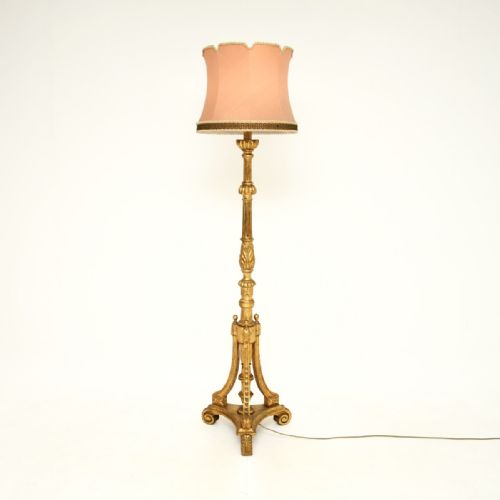
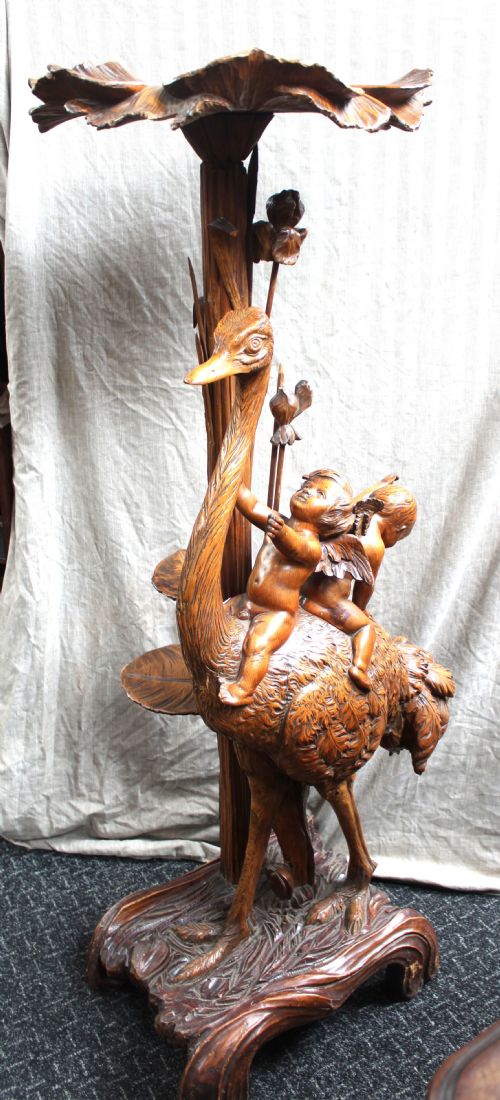
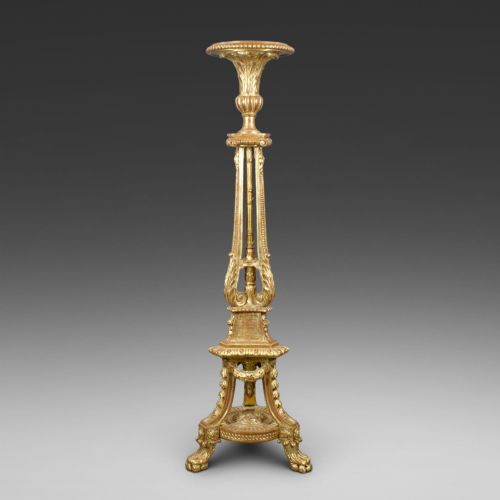
These ornate wood columns bring architectural gravitas and sculptural presence to any room, offering versatile display surfaces for plants, busts, or lamps.
Ornate Wood Columns
Ornate wood columns encompass a variety of architectural supports, pedestals, torcheres, and stands designed to elevate decorative objects within a room. When searching for ornate wood columns, buyers typically encounter pedestals, plant stands, and torcheres originating from the eighteenth, nineteenth, and early twentieth centuries.
The selection includes pieces reflecting diverse stylistic influences such as Italian Renaissance Revival, Venetian Revival, Spanish Baroque, and Anglo-Indian designs. These decorative supports frequently double as side tables, floor lamps, or bust stands, serving both functional and decorative roles in traditional and eclectic interiors.
How ornate wood columns were made
Construction relies heavily on traditional timberworking techniques, utilising carved walnut, teak, mahogany, and bleached oak as primary structural materials. Artisans shaped these woods through detailed hand-carving to create complex architectural profiles and fluted shaft designs.
Surface ornamentation often incorporates gesso and applied gold leaf, alongside painted finishes and alabaster tops. These decorative treatments transformed raw timber into opulent furnishings fit for grand nineteenth-century interiors and revivalist schemes.
Ornate Wood Columns Retail Price Guide 2026
Typical asking prices for ornate wood columns among the pieces listed under this phrase on Sellingantiques today, from the lower quarter to the upper quarter. They describe what is for sale here now, not the wider market.
Some nineteenth-century makers evidently decided that a plain wooden post simply lacked ambition and reached straight for the gold leaf.
What varies in quality
Quality in ornate wood columns rests upon the depth, crispness, and precision of the hand-carved ornamentation. Superior examples display intricate detailing where every acanthus leaf or classical moulding is sharply defined rather than softened by heavy layers of later paint or poor preservation.
The choice of materials and the execution of the surface finish dictate the overall distinction of a piece. Original gilding, subtle polychrome paintwork, and integrated stone tops such as alabaster indicate higher workshop standards than plain replacement finishes.
The Ornate Wood Columns Glossary
- Torchere
- A tall ornamental stand or floor lamp designed to hold a light source or display an object at height. These tall supports often feature elaborate carved decoration and gilded surfaces.
- Gesso
- A plaster-like mixture applied to wood surfaces to create a smooth base for painting or gilding. It allows craftsmen to model fine relief details before applying gold leaf.
- Giltwood
- Timber that has been coated with thin sheets of gold leaf over a prepared ground. This technique creates a brilliant reflective finish characteristic of revivalist furnishings.
- Pedestal
- A structural support or base used to elevate a bust, vase, or plant stand. They provide vertical emphasis and architectural interest within interior spaces.
- Revival
- An artistic style that consciously imitates the aesthetic of a previous historical era, such as the Italian Renaissance or Spanish Baroque. These later interpretations appropriate historic forms with nineteenth-century craftsmanship.
Ornate Wood Columns: Frequently Asked Questions
What were ornate wood columns used for?
These decorative supports served primarily as pedestals for displaying potted plants, classical busts, or sculptural vases in prominent rooms. They also functioned as torcheres to hold lighting devices or as specialised display stands.
In domestic interiors, they added architectural height and visual drama to empty corners or framing spaces. Wealthy households utilised them to showcase valued artistic objects and demonstrate refined taste.
How do I live with them?
Integrate these columns into your living space by using them as freestanding display plinths for ceramics, bronzes, or trailing house plants. Their vertical forms naturally draw the eye upward and help break up monotonous wall expanses.
Ensure they are placed in stable locations away from heavy foot traffic to protect delicate carved elements and heavy stone tops. Pairing them with contemporary furnishings creates a striking contrast that highlights their historical craftsmanship.
How can I tell the periods apart?
Distinguishing between periods relies on observing the specific revival styles and material treatments present in the construction. Pieces influenced by the Italian Renaissance or Spanish Baroque typically feature heavy, dramatic carving and rich gilding associated with earlier decorative traditions.
Later Edwardian and early twentieth-century examples often incorporate lighter woods or simplified Oriental and classical motifs. Examining the underlying timber and the ageing of the gesso provides further clues to the manufacturing date.
Are alabaster tops common?
Alabaster tops appear frequently on nineteenth-century plant and bust stands, providing a cool, smooth contrasting surface to the carved wood below. This soft stone added a luxurious touch well-suited for displaying delicate decorative items.
When present, the natural veining of the alabaster enhances the visual appeal of the stand. It required careful handling during manufacturing to fit securely into the surrounding wooden framework.