

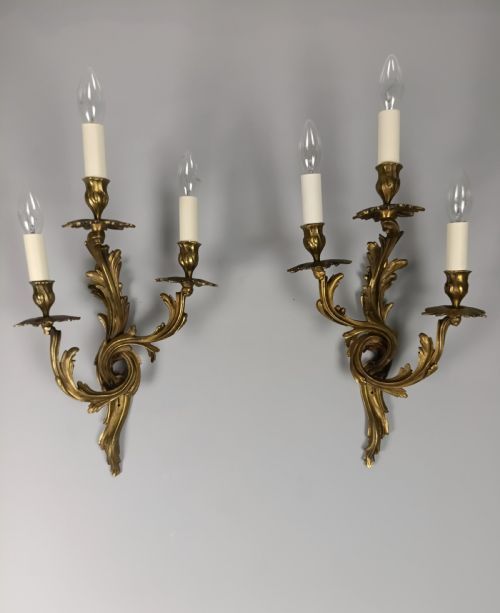


Ornate Wall Light
An ornate wall light brings sculptural illumination to a room, offering both decorative presence and period charm through cast metal and gilt finishes.
Ornate Wall Light
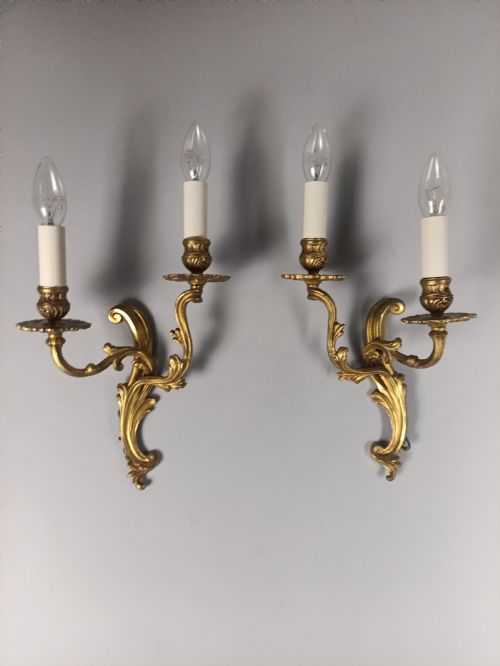
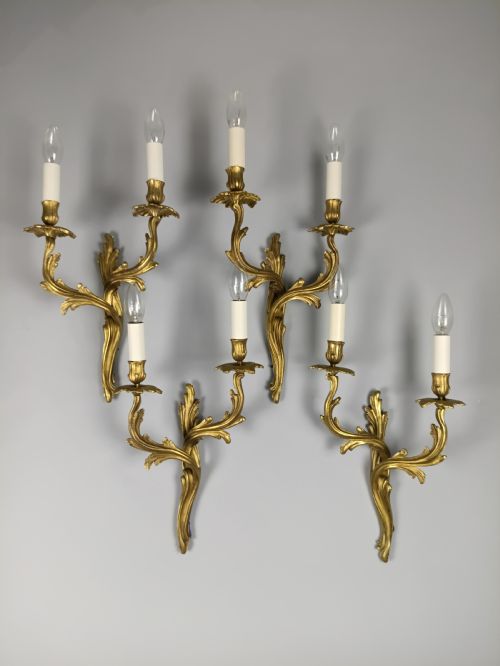
An ornate wall light encompasses elaborate sconces, girandoles, and multi-branched appliques designed to mount directly onto interior walls. Buyers searching for an ornate wall light frequently encounter French and English examples dating from the Victorian era through the early twentieth century.
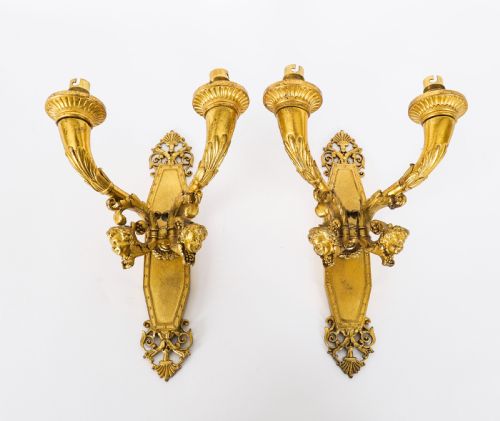
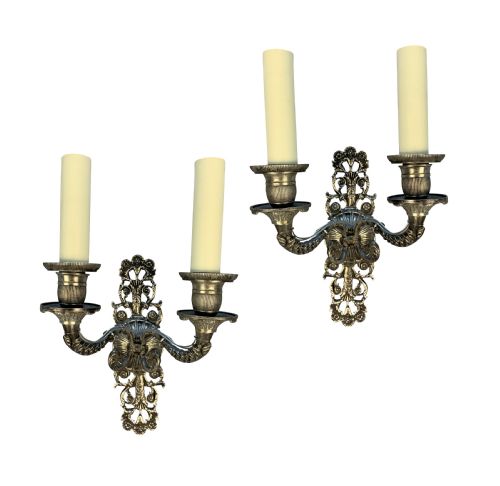
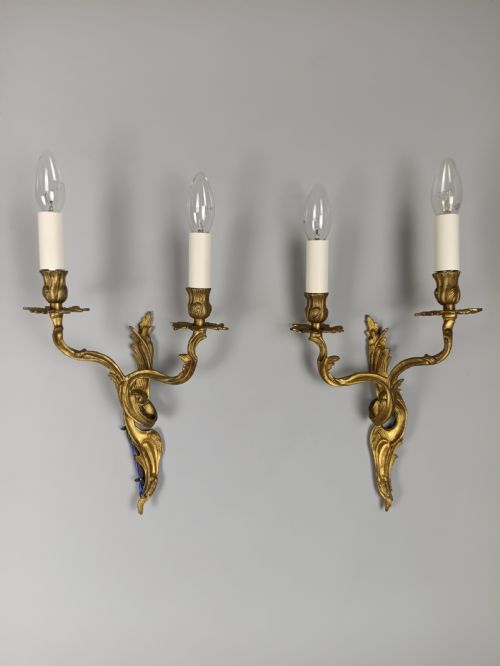
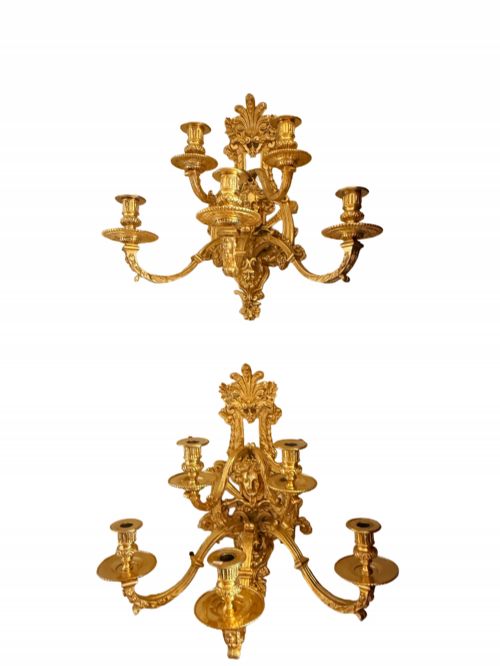
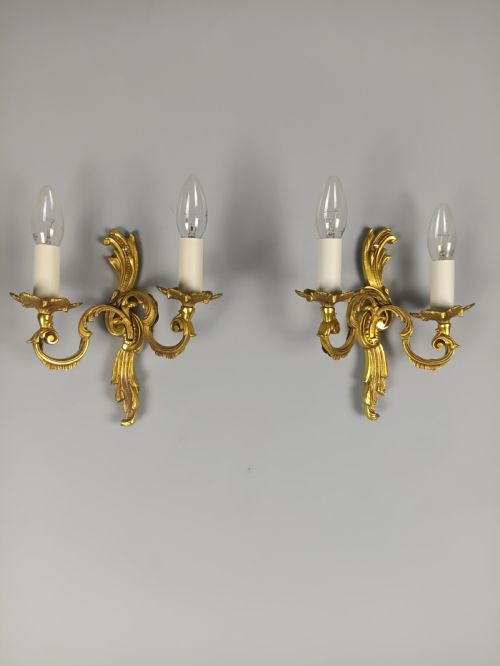
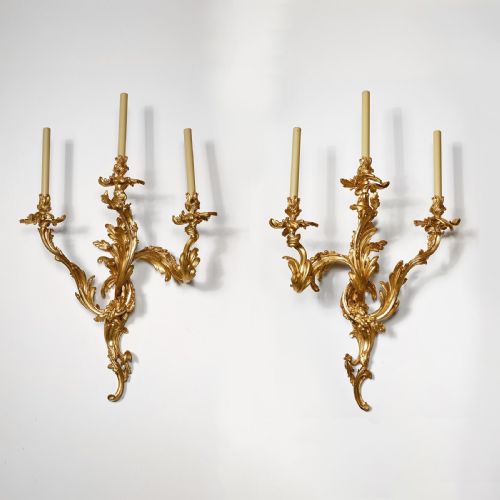
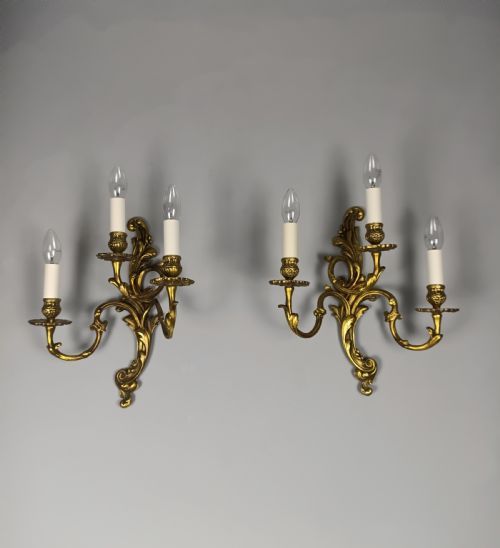
The selection ranges from twin-arm brass fixtures to large multi-branch gilt bronze and ormolu designs. Many pieces display distinct stylistic roots in French Rococo, Louis styles, and nineteenth-century revival movements.
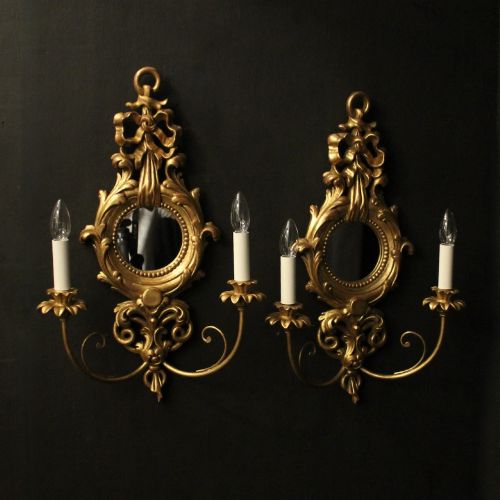
Forms include mirrored wall sconces and hanging lanterns alongside standard candle-style branches. These lighting fixtures often arrive paired or in matching sets, ready for domestic placement.
How they were made
Foundry workers cast brass, bronze, and ormolu into complex, asymmetrical scrolls and floral motifs characteristic of Rococo and revival styles. Many metal surfaces received layers of fire-gilding or gold leaf to produce a rich, reflective finish.
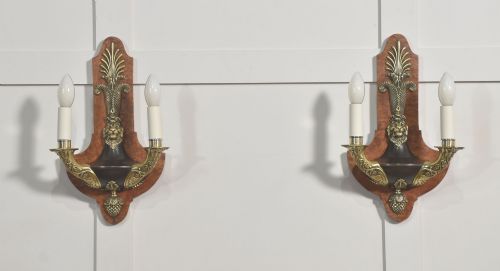
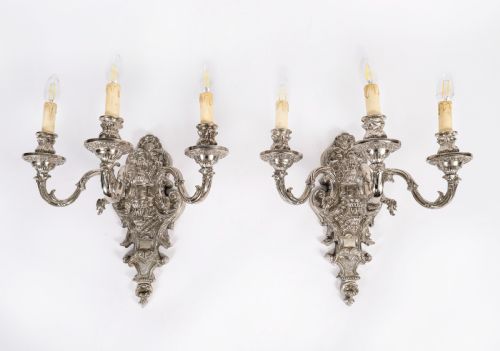
Silversmiths and metalworkers also utilised silver plating over base metals for alternative decorative schemes. Artisans combined cast metal arms with carved wood, crystal drops, or mirrored backplates to enhance the diffusion of light.
Some nineteenth-century brass sconces retain the quiet ghosts of candle wax tucked deep inside their cast drip pans.
What varies in quality
The crispness of the cast detail separates superior examples from simpler production pieces, particularly where acanthus leaves, ribbons, and facial masks are rendered with deep relief. Heavier gauge bronze and ormolu retain sharper chiselling and surface definition compared to lighter brass castings.
The integrity of the original gilt surface and the subtlety of the chasing work dictate the visual impact of the fixture. Substantial casting weight and multi-branch configurations generally indicate higher workshop standards.
The Ornate Wall Light Glossary
- Ormolu
- Finely ground high-carat gold mercury-gilded onto a bronze base. This technique creates a deep, warm metallic lustre characteristic of high-status French decorative arts.
- Girandole
- An ornamental wall-mounted bracket featuring branches for candles, frequently incorporating a mirrored backplate. The glass reflects candlelight to increase illumination within the room.
- Applique
- A wall-mounted lighting fixture resembling a sconce, often flat-backed for flush mounting. The term frequently applies to French cast metal fixtures with multiple candle arms.
- Sconce
- A decorative wall bracket designed to hold candles or electric lamps. These fixtures project outward from the wall to cast downward illumination.
- Giltwood
- Timber that has been coated with a thin layer of gold leaf. It appears on carved wall mirrors and girandoles from the nineteenth century.
Ornate Wall Light: Frequently Asked Questions
How were antique wall lights used?
These fixtures were mounted beside mirrors, fireplaces, or along hallways to supplement primary illumination from chandeliers. The reflective metal and glass surfaces helped amplify the light from candles before gas and electricity became common.
Over time, many surviving examples have been rewired for modern domestic use while retaining their original aesthetic appeal on the wall.
Are these wall lights difficult to install?
Most pieces require standard electrical mounting to wall junction boxes, similar to modern hardwired light fixtures. Many surviving examples arrive professionally rewired and prepared for immediate placement by a qualified electrician.
Weight varies significantly depending on whether the fixture is made of hollow brass, solid bronze, or heavy ormolu, which determines the appropriate wall fixings needed.
How do I identify the period of a wall light?
Dating relies on examining the casting techniques, fastening screws, and stylistic markers such as Rococo revival scrolls or Empire neo-classical symmetry. Nineteenth-century examples typically feature heavier sand-cast metalwork and hand-chased surface details.
Later twentieth-century reproductions or variants often display lighter construction and less intricate chasing around the mounting plates and arms.