



Ornate Silver Jewellery
These ornate silver jewellery pieces bring together intricate metalwork, enamel, and stone settings to elevate any dressing table or personal collection.
Ornate Silver Jewellery
When you search for ornate silver jewellery, you are looking at decorative accessories, caskets, and personal adornments from periods including the eighteenth and nineteenth centuries. The examples here span items worn on the person, such as earrings, brooches, and bracelets, alongside small caskets and cabinets designed to store them.
You are most likely to meet Victorian pieces on this page, often featuring revival styles like the Rococo, Renaissance, and French nineteenth-century aesthetics. These items frequently incorporate detailed filigree, cast decorations, or gilded surfaces alongside materials like enamel, pearl, and onyx.
The assortment also encompasses specialised items like chatelaines and table boxes, which demonstrate the same elaborate metalwork found in the smaller wearable pieces. Each object reflects the decorative tastes of its period, utilising silver, silver gilt, and silvered metal to achieve high visual impact.
Materials and construction methods
Makers utilised solid sterling silver, silver gilt, and silvered metal as the primary substrates, shaping them through casting, piercing, and filigree wirework. Pierced filigree settings require delicate soldering of fine metal threads to create openwork patterns, which appear on bracelets and earrings alike.
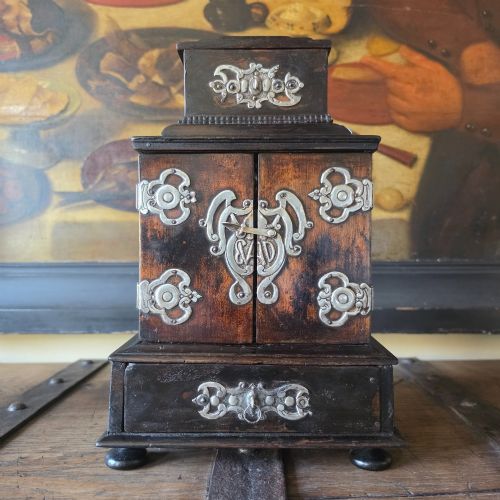
Surface decoration frequently involves gilding, enamel appliques, and cameos set directly into the metal frame. Walnut forms the wooden carcass for larger cabinets and caskets, which are then mounted with metal hardware and decorative appliques.
Ornate Silver Jewellery Retail Price Guide 2026
Typical asking prices for ornate silver jewellery among the pieces listed under this phrase on Sellingantiques today, from the lower quarter to the upper quarter. They describe what is for sale here now, not the wider market.
Some Victorian ladies relied on chatelaines to dangle everything from watch keys to tiny smelling salts right from their waistbands.
Assessing quality in silver work
Quality diverges significantly in the crispness of the cast or hand-chased ornamentation and the complexity of the filigree work. Superior examples display sharply defined details in Renaissance and Rococo motifs without softening in the recesses of the pattern.
The integration of secondary materials, such as genuine enamel, pearls, and applied cameos, distinguishes finer pieces from simpler items relying solely on metal stamping. The structural integrity of hinges on caskets and the neatness of the interior linings also indicate the standard of production.
Walker and Hall·AB Paris
The Ornate Silver Jewellery Glossary
- Filigree
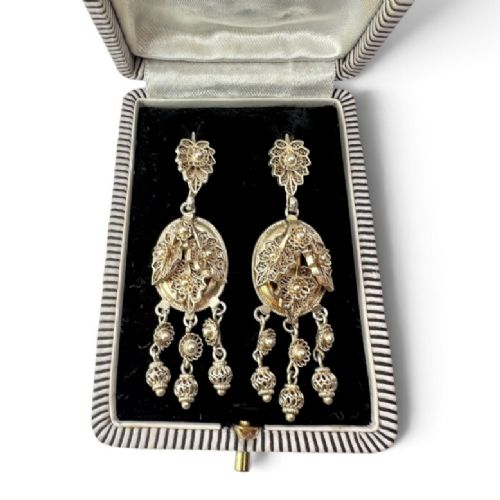
- Delicate openwork jewellery created by twisting and soldering fine silver wire into intricate patterns. This technique appears across multiple nineteenth-century earrings and bracelets.
- Silver Gilt
- Silver that has been coated with a thin layer of gold, combining the strength of silver with a warm golden appearance. This finish is frequently found on nineteenth-century brooches and caskets.
- Chatelaine
- A decorative belt hook worn with suspended utilitarian attachments like keys or sewing tools. The example here incorporates Rococo decorations in silver gilt.
- Girandole
- A type of earring or lighting fixture featuring a central drop surrounded by smaller dangling elements. The earrings on this page utilise this form in gilded silver filigree.
- Cameo
- A method of carving an object, such as a gemstone or shell, where a raised relief image stands out from a background. These appear as appliques on Renaissance revival table boxes.
Ornate Silver Jewellery: Frequently Asked Questions
What is ornate silver jewellery?
Ornate silver jewellery encompasses decorative wearable items and small storage caskets featuring detailed metalwork, filigree, or applied stones from past centuries. These pieces highlight the revival styles popular during the Victorian era.
They serve both functional and ornamental purposes, combining the metalworking techniques of their respective periods with materials like enamel and pearl.
How were silver caskets used?
Silver caskets and cabinets were utilised on dressing tables to store precious personal items, rings, and smaller brooches securely. Their elaborate exteriors made them display pieces in domestic interiors.
Larger boxes often featured velvet or silk linings inside walnut or metal frames to protect the contents from damage.
How do I date Victorian silver items?
Dating Victorian items involves examining the specific stylistic revival movement influencing the design, such as French Renaissance or Rococo revival elements. Hallmarks and maker marks stamped into the silver provide precise manufacturing years.
Construction techniques, including hand-soldered filigree and cast appliques, also help distinguish nineteenth-century production methods from later reproductions.
What does silver gilt mean?
Silver gilt refers to solid silver objects that have undergone a process of gold plating on their surfaces. This technique provides the rich appearance of solid gold while utilising a silver base.
It was widely utilised in nineteenth-century brooches and chatelaines to enhance the decorative contrast of the metalwork.