






Ornate Silver Handle
These ornate silver handle pieces span utility and display, offering tactile historical craft through sterling silver, silver plate and glass.
Ornate Silver Handle
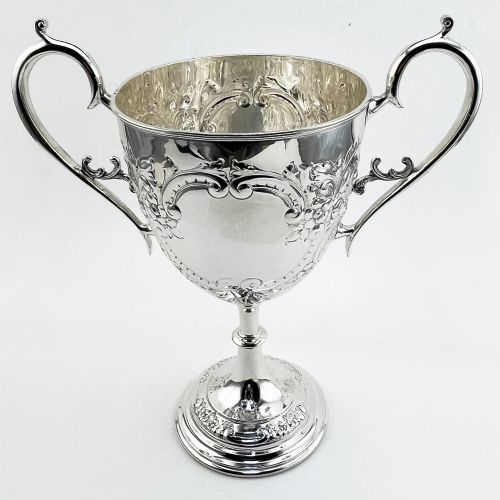
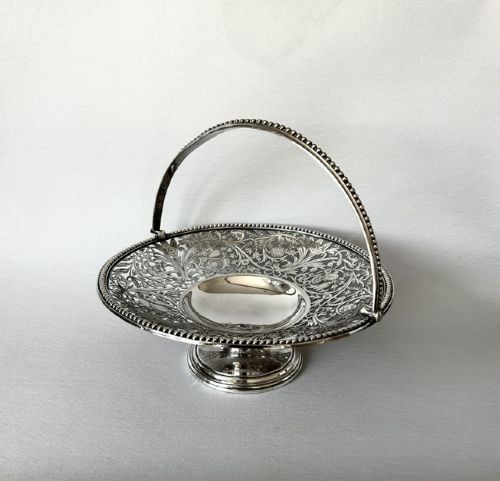
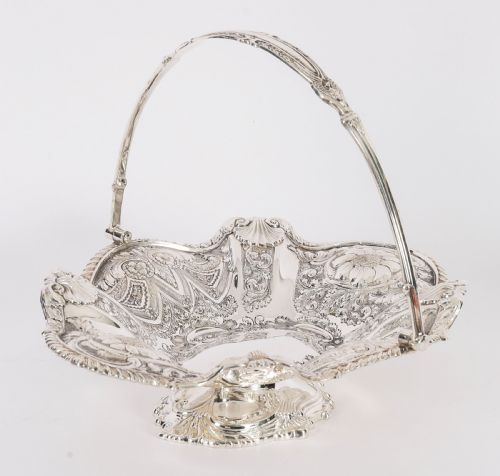
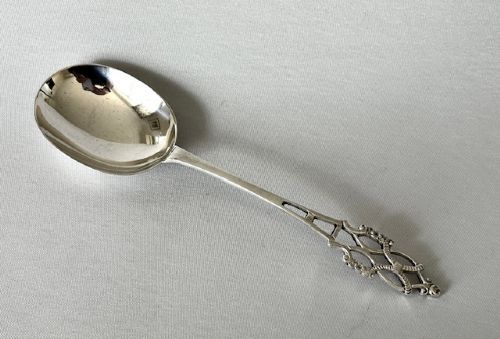
When you search for an ornate silver handle, you examine items spanning utility and display, from desk accessories and tea sets to fruit baskets and serving spoons. These pieces originate across the nineteenth and twentieth centuries, capturing periods from Victorian and Edwardian reigns to Belle Epoque and Continental Rococo Revival aesthetics.
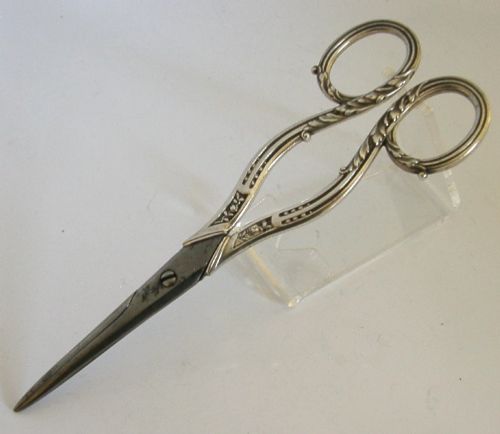
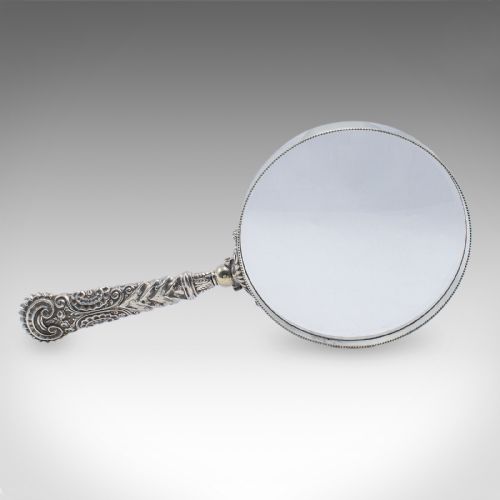
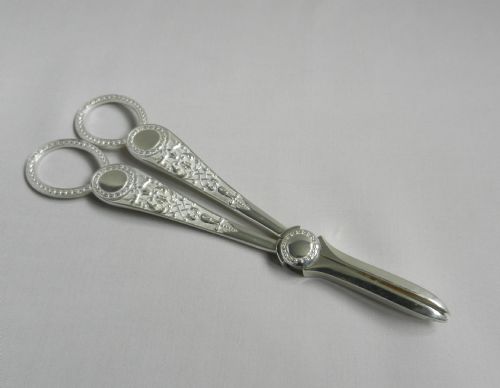
You are most likely to meet silver-plated and sterling silver iterations on this page, often combined with glass, steel, ebony or enamel. The functional objects range from magnifying glasses and letter openers to grape shears and desk seals, each centred on decorative metalwork.
The assortment includes distinctive forms such as claret jugs, food warmers, potpourri baskets and decorative urns. Makers and origins stretch from English workshops and French items to Irish sterling silver and Spanish silver dishes.
Assessing quality in silver handles
Quality rests in the crispness and depth of the chasing, repoussé work and applied detailing, where sharper definition distinguishes superior items from softer castings. The integration of materials, such as the join between silver handles and glass bodies or steel blades, indicates the level of care in manufacture.
Substantial weight and balanced proportion separate finer domestic objects and desk accessories from simpler production pieces. The preservation of original plating or clear hallmarks on sterling silver further elevates an item's standing.
Ornate Silver Handle Retail Price Guide 2026
Typical asking prices for ornate silver handle among the pieces listed under this phrase on Sellingantiques today, from the lower quarter to the upper quarter. They describe what is for sale here now, not the wider market.
Materials span sterling silver, silver plate, glass, steel, ebony, and enamel across nineteenth and twentieth century pieces.
George W. Scott & Sons Ltd·Gioielleria Agliardi Cassino·A. Barrett Piccadilly London
The Ornate Silver Handle Glossary
- Repoussé
- A metalworking technique where the metal is hammered from the reverse side to form a raised design in relief on the front. This method creates decorative floral and bird motifs on bowls and handles.
- Silver plate
- A layer of silver applied to a base metal core, such as copper or nickel silver, common in nineteenth-century tableware and serving pieces. It offered an accessible alternative to solid sterling silver.
- Sterling silver
- An alloy consisting of pure silver and other metals, usually copper, meeting a specific standard of purity for durability and strength. It forms the primary metal for many antique spoons, scissors and vases.
- Electroplated nickel silver
- A base metal alloy of copper, nickel and zinc coated with a layer of silver through an electrolytic process. This material provided a sturdy foundation for heavily handled domestic items.
- Rococo Revival
- A nineteenth-century design style characterised by asymmetrical scrolls, C-curves and naturalistic plant motifs. It heavily influenced the ornate ornamentation found on handles, baskets and serving dishes.
Ornate Silver Handle: Frequently Asked Questions
What items feature an ornate silver handle?
These handles appear on desk accessories like letter openers and magnifying glasses, as well as serving items including spoons, grape shears, and fruit baskets.
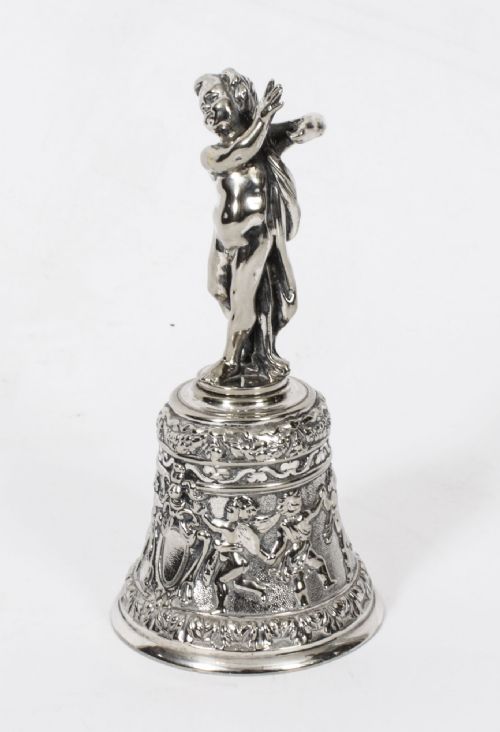
They also occur on claret jugs, hand bells, and tea sets, bridging decorative display and practical use.
How do I care for silver plated handles?
Clean silver plate gently with a soft microfibre cloth and specialised silver cream to avoid wearing down the thin metal layer over the base metal.
Store items away from damp environments and rubber compounds to prevent tarnishing and preserve the decorative relief.
How can I tell sterling silver from plate?
Look for hallmarks stamped into the metal, which indicate standard purity marks for sterling silver rather than electroplated nickel silver or base metals.
Sterling silver carries distinct assay office and maker marks, whereas plated items may show base metal underneath worn areas.
What periods do these silver items represent?
The pieces span the nineteenth and twentieth centuries, covering Victorian, Edwardian, and Belle Epoque eras alongside later twentieth-century production.
Design styles reflect these periods through Revival aesthetics, naturalist motifs, and Celtic influences.