





Ornate Porcelain Urn
An ornate porcelain urn brings grand nineteenth-century presence to a room, combining painted ceramic with lavish mounts for dramatic decorative impact.
Ornate Porcelain Urn
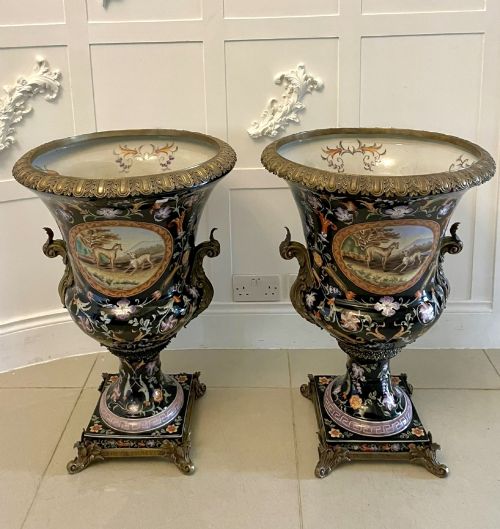
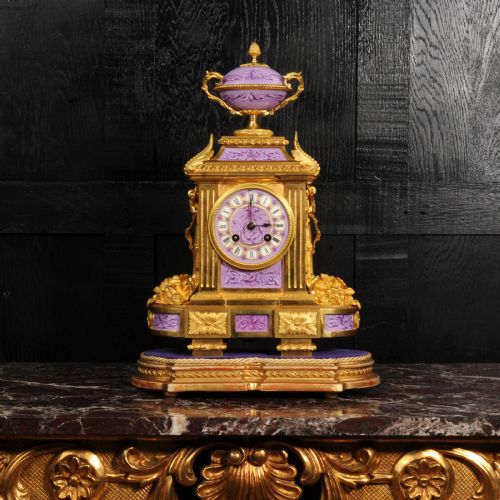
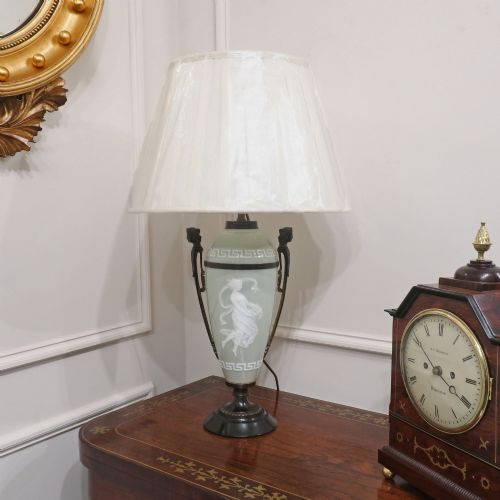
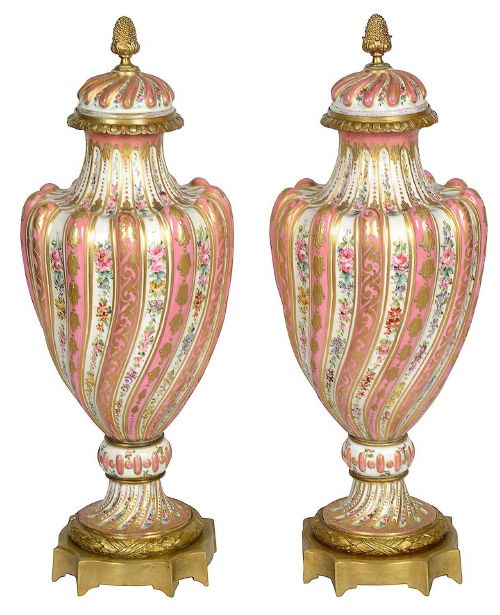
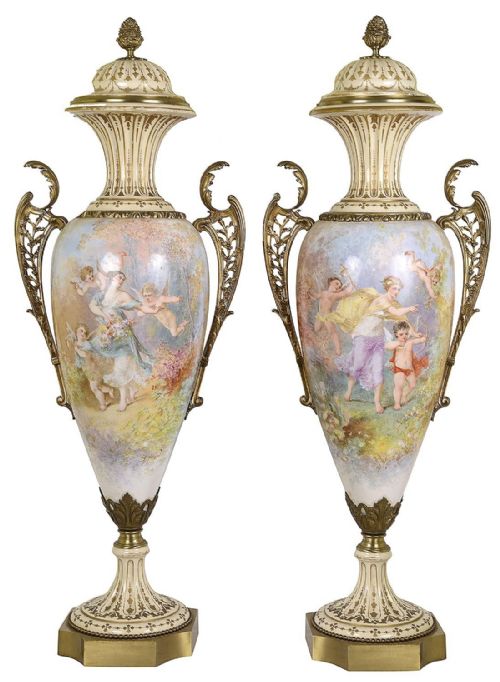
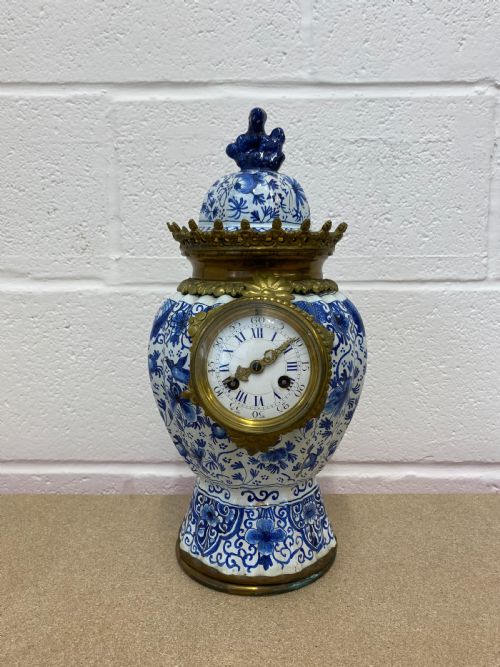
An ornate porcelain urn is a substantial decorative vessel created to command attention on mantels, tables, and cabinets. When you search for an ornate porcelain urn, you encounter nineteenth-century pieces ranging from French mantel clock garnitures and lidded vases to table lamps and jardinieres.
The majority of these objects originate from French workshops and English factories during the Victorian era. They combine painted or glazed ceramic bodies with elaborate metal fittings, often following classical revival styles like Louis XVI or Rococo.
What varies in quality
The finesse of the hand-painted decoration determines the visual merit of each piece, distinguishing simple floral patterns from detailed figurative scenes and fine pate-sur-pate work. Artist signatures or factory marks indicate higher workshop standards.
The weight and precision of the bronze, brass, or ormolu mounts define the structural quality. Finely chased metalwork that fits the ceramic contours seamlessly elevates an urn above standard production.
Ornate Porcelain Urn Retail Price Guide 2026
Typical asking prices for ornate porcelain urn among the pieces listed under this phrase on Sellingantiques today, from the lower quarter to the upper quarter. They describe what is for sale here now, not the wider market.
Stork vases and mantel clocks ensure these nineteenth-century ceramics share space with mechanical timepieces and avian pottery.
Achille Brocot·Royal Worcester·Royal Crown Derby·Samson
The Ornate Porcelain Urn Glossary
- Ormolu
- Gilt bronze mounts used extensively in nineteenth-century French decorative arts. It provides a bright golden contrast to porcelain bodies.
- Pate-sur-pate
- A ceramic decorating technique where layers of liquid clay are built up to create a raised cameo effect. It requires great skill from the ceramic artist.
- Garniture set
- A symmetrical group of three or more matching decorative objects, typically comprising a central clock flanked by vases or urns.
- Jardiere
- An ornamental container designed to hold plants or flowers. In nineteenth-century interiors, these porcelain and brass pieces sat on tables or pedestals.
Ornate Porcelain Urn: Frequently Asked Questions
Were these urns functional or purely decorative?
Most ornate porcelain urns served as decorative garnitures, mantel pieces, or focal points in grand nineteenth-century drawing rooms. Lidded vases and clock garnitures were designed to display wealth and artistic taste rather than hold contents.
Some variations, such as jardinieres and oil lamps, combined practical utility with lavish ornamentation for domestic use.
How can I tell French pieces from English ones?
French ornate porcelain urns often feature heavy ormolu mounts, neoclassical or rococo revival styling, and Sevres-style painting. They frequently form part of clock garniture sets with brass or bronze components.
English pieces from factories like Royal Worcester or Royal Crown Derby typically display distinct British factory backstamps and specific regional painting styles, such as pate-sur-pate.
Where should I display a large urn?
Place large lidded vases or clock garnitures on sturdy surfaces like mantelpieces, sideboards, or dedicated pedestals where their height and weight remain secure. Ensure the display area avoids direct sunlight to protect hand-painted enamel and gilt finishes.
Allow enough surrounding space for the ornate brass and ormolu mounts to catch the light without crowding other decorative items.