


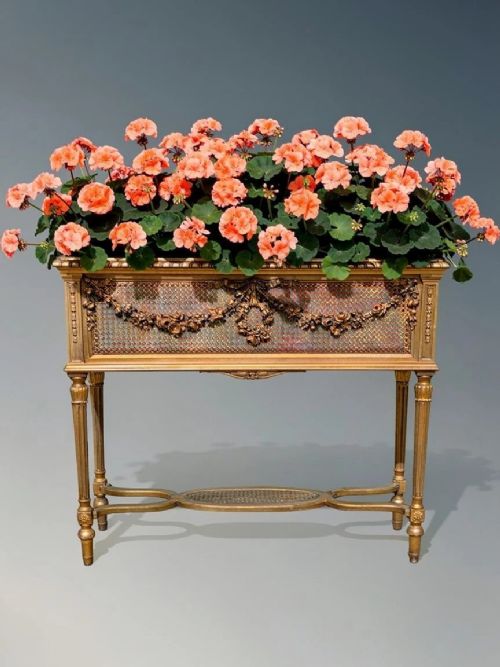


Ornate Plant Stands
Ornate plant stands bring structured height to botanical displays, combining decorative metalwork or carved timber with a practical raised surface.
Ornate Plant Stands
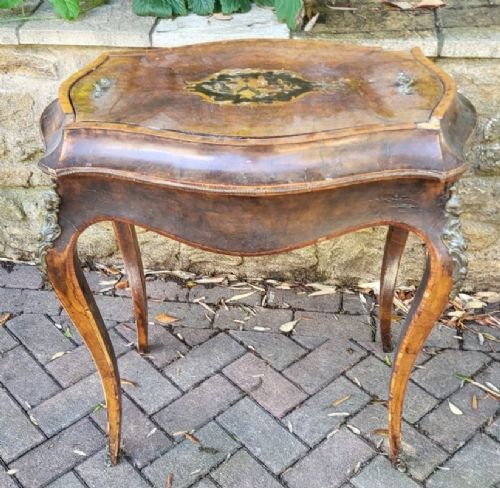
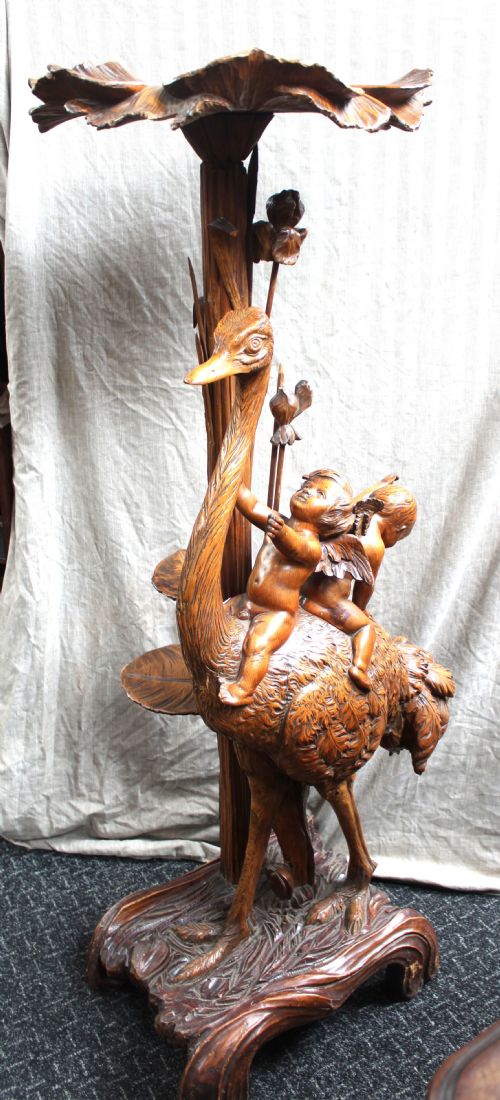
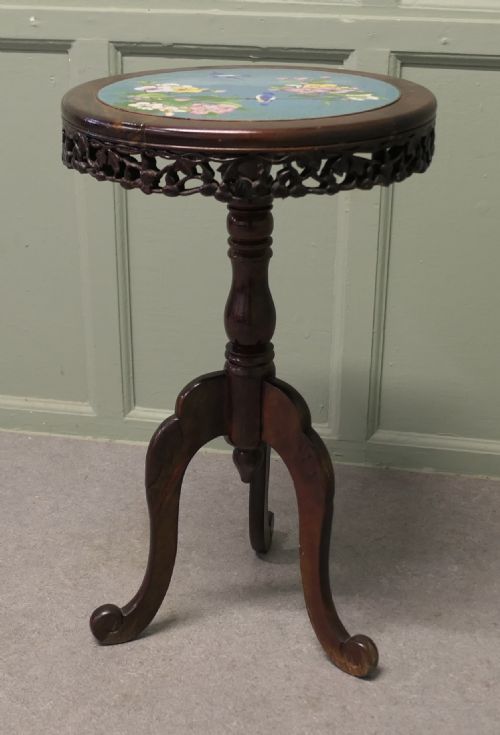
Ornate plant stands encompass a varied group of pedestals, torcheres, jardinieres and multi-tiered holders designed to elevate greenery and decorative objects within a room. You will regularly encounter Victorian interpretations alongside pieces reflecting French Chateau, Rococo Revival, Neoclassical and Chinese Export design influences.
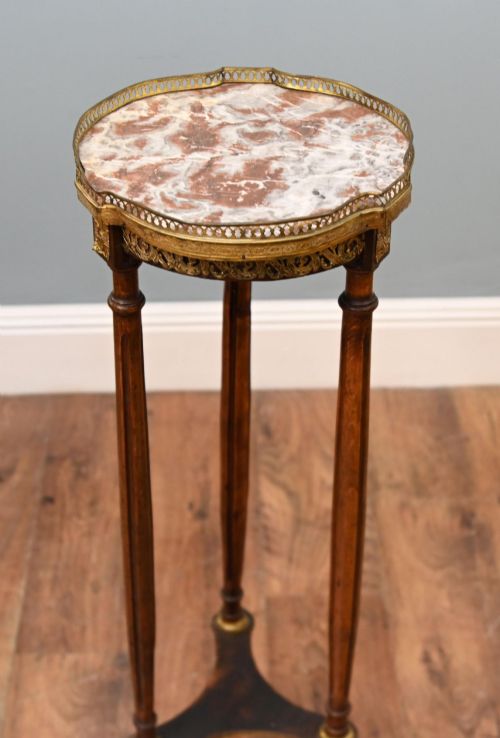
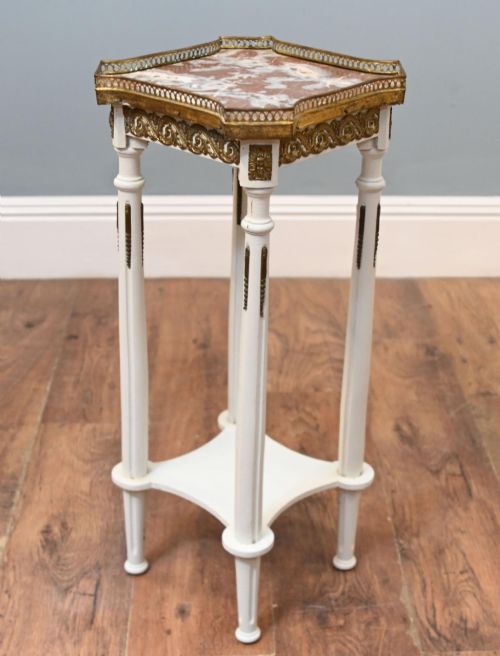
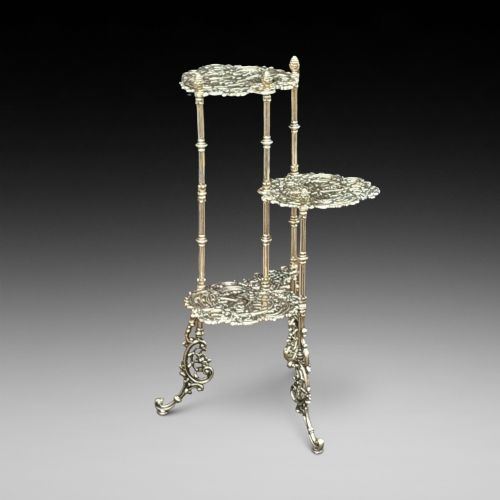
Forms range from sturdy three-tier cast iron and brass tiers to slender carved wooden columns and marble-topped gueridons. The selection draws on materials and motifs spanning the nineteenth century through to the early twentieth century.
Makers and workshops across Britain, continental Europe and Asia produced these supports in mahogany, walnut, giltwood, teak and wrought iron. Each piece serves to frame flora or sculptural items by lifting them from the floor level.
Materials and construction methods
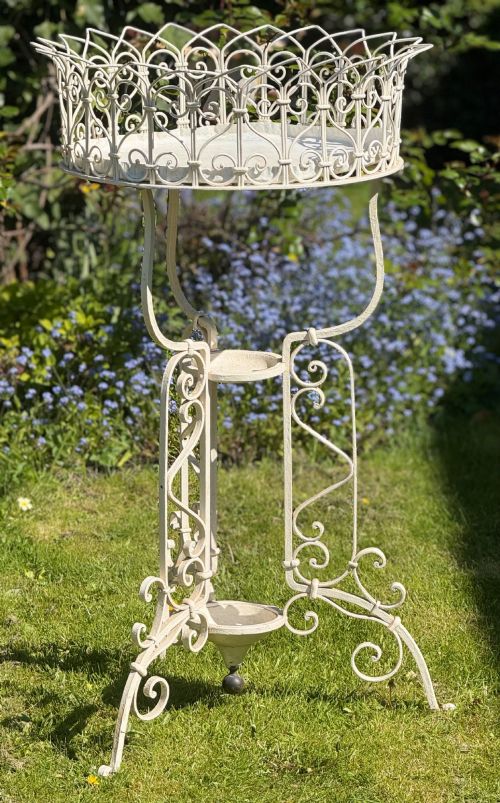
Construction relies heavily on durable metals like cast iron, brass and bronze, often shaped into intricate scrollwork, birdcage frames or tripod bases. These metal elements provide the weight and structural integrity required for multi-tiered stands and heavy stone-topped columns.
Timber frames utilise mahogany, walnut, teak and gessoed giltwood, frequently enhanced through hand-carving, marquetry inlay or painted Chinoiserie finishes. Joinery methods range from traditional cabinetmaking techniques to robust foundry casting for iron garden and indoor jardinieres.
Surface details incorporate inset marble, alabaster or onyx panels that offer a stable, moisture-resistant platform for plants. Giltwood and painted finishes receive careful layering to create the decorative sheen seen on French style and Venetian pieces.
Ornate Plant Stands Retail Price Guide 2026
Typical asking prices for ornate plant stands among the pieces listed under this phrase on Sellingantiques today, from the lower quarter to the upper quarter. They describe what is for sale here now, not the wider market.
Materials span cast iron, brass, marble, mahogany, teak, gesso and giltwood across Victorian, Edwardian and earlier periods.
Distinctions in craftsmanship
Quality rests on the crispness of the carving and the precision of the metal casting, where sharply defined foliage and scrolls distinguish finer examples from softer, mass-produced variants. The weight and selection of top materials, such as genuine marble, onyx or dense hardwoods, separate substantial furnishings from lighter alternatives.
The integrity of the structural joints and the retention of original gilding, paint or patination dictate the standing of a piece. Hand-chased brass, intricate Boulle work and well-preserved cane or inlaid surfaces reflect superior workshop standards.
The Ornate Plant Stands Glossary
- Torchere
- A tall, slender stand designed originally to hold a light source and subsequently adapted to support plants or sculptural busts. These pieces often feature tripod bases and carved wooden or gilt columns.
- Jardiniere
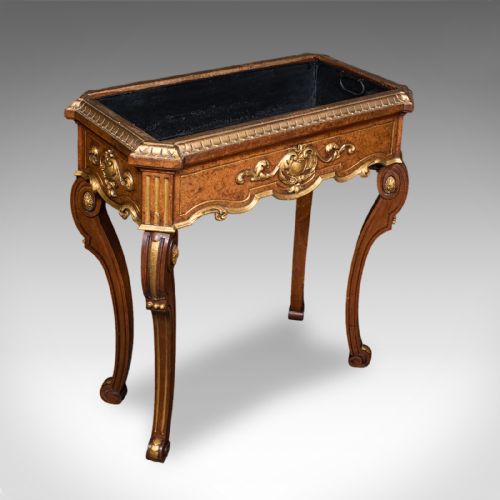
- An ornamental receptacle or stand specifically built to hold plants and flowers, frequently lined with metal to contain moisture. They appear in ceramic, cast iron and fine timbers.
- Gueridon
- A small French round table on one or more columns, commonly topped with marble and utilised as a plant or lamp stand. The form gained popularity during the nineteenth century.
- Boulle
- A form of marquetry employing brass and tortoiseshell inlay, named after French cabinetmaker André-Charles Boulle. Pieces bearing this technique display intricate metallic patterns against dark grounds.
- Cloisonné
- An ancient technique for decorating metalwork objects with coloured material held in place by thin strips of metal. On tables and stands, this work appears in decorative panels and borders.
Ornate Plant Stands: Frequently Asked Questions
What is a torchere stand used for?
A torchere provides a raised platform designed originally to support lighting devices like candles or oil lamps. In domestic interiors, they function effectively for displaying trailing plants, urns or sculptural art.
Their narrow footprint allows them to occupy corners or tight spaces without dominating the room layout. The elevated height draws the eye upward, adding vertical balance to interior arrangements.
How do I care for marble top stands?
Marble and stone surfaces require regular dusting with a soft cloth and immediate wiping of any spilled water or acidic liquids. Avoid placing plant pots directly on unsealed stone to prevent moisture rings.
Applying a specialist stone wax helps protect the polish and guards against minor scratching. Gentle cleaning preserves the natural veining and historical patination of the top.
Where should I place a heavy plant stand?
Heavy cast iron or stone-columned stands demand stable flooring to support their considerable weight safely. Placing them away from heavy foot traffic prevents accidental tipping, particularly with multi-tiered designs.
Consider proximity to natural light sources if you intend to house live plants on the tiers. Ensure the base sits level on the floor surface to maintain overall structural stability.
How do I identify Victorian cast iron stands?
Victorian cast iron stands typically feature robust, heavy frames moulded with botanical motifs, scrollwork or structural frameworks like birdcages. The metal is frequently painted black or finished with decorative highlights.
Close inspection reveals casting seams and sturdy bolt assembly points characteristic of nineteenth-century foundry production. These pieces are built to withstand both indoor humidity and garden use.