



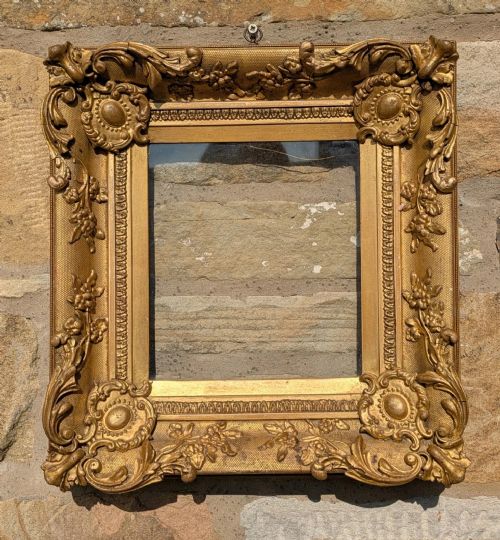

Ornate Photo Frame
An ornate photo frame holds a portrait or memento, bringing period craftsmanship and gleaming metal or carved giltwood directly to a desk or wall.
Ornate Photo Frame
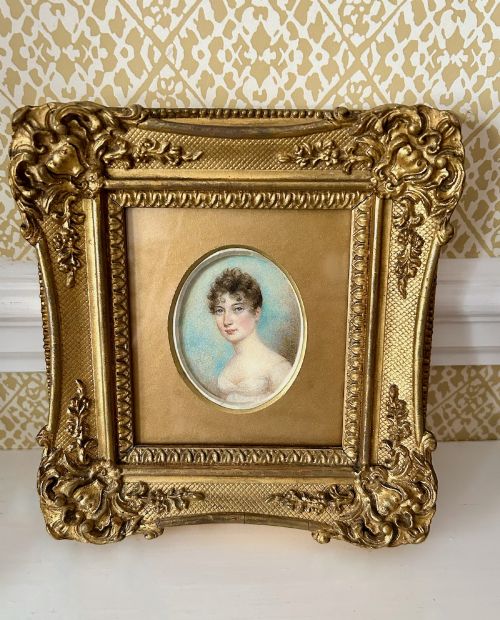
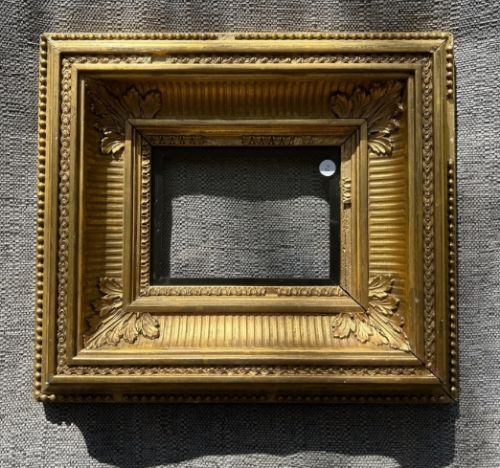
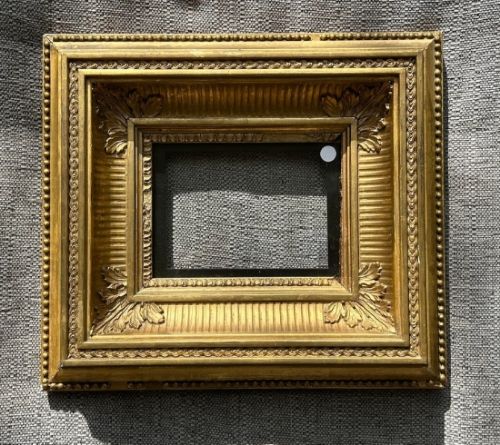
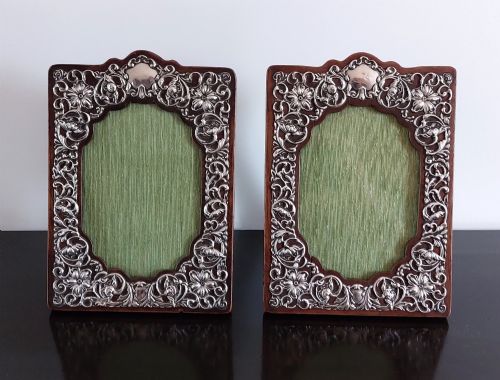
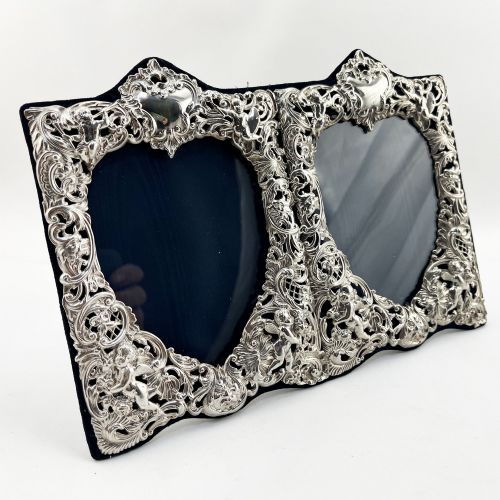
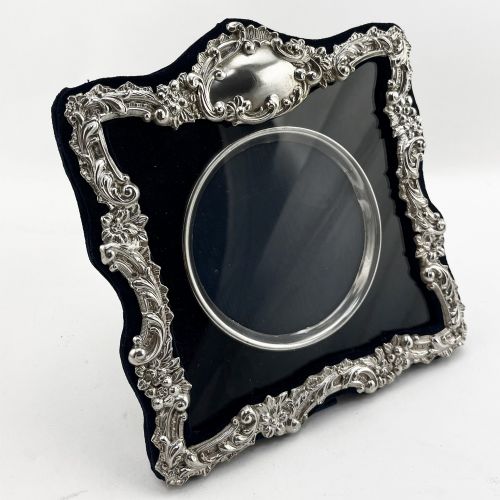
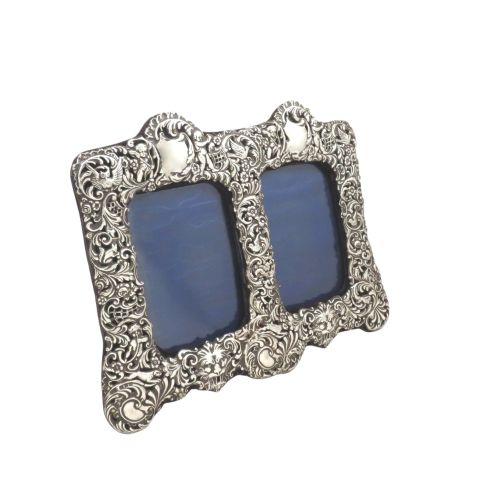
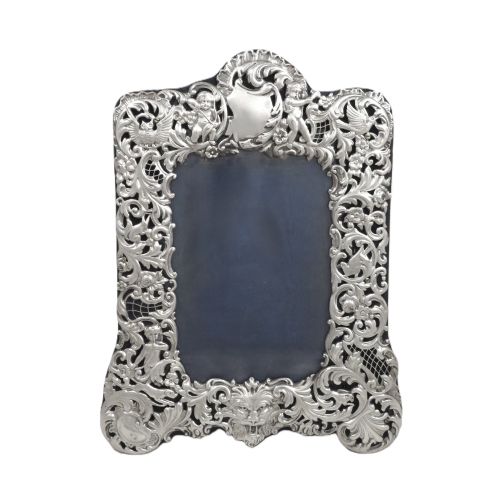
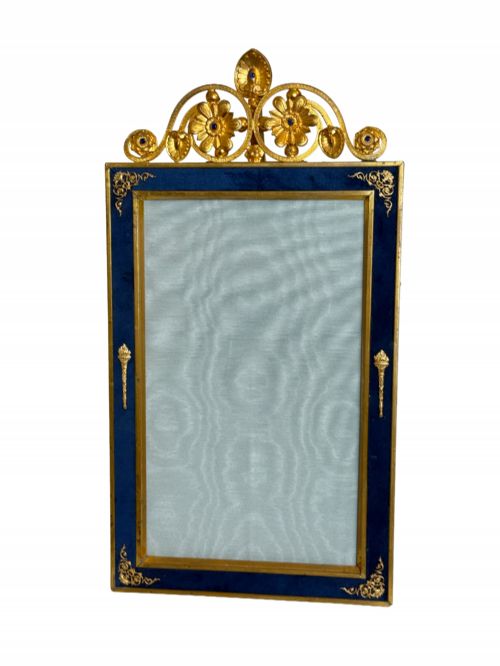
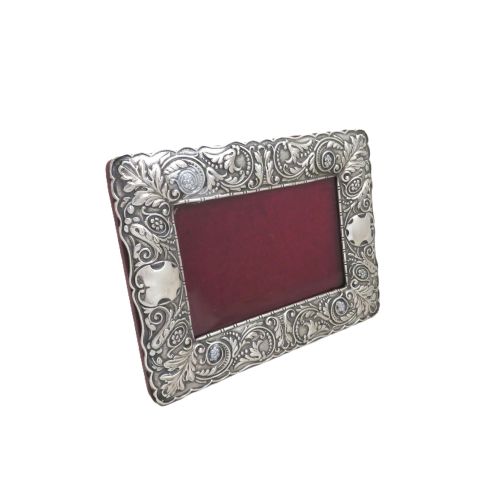
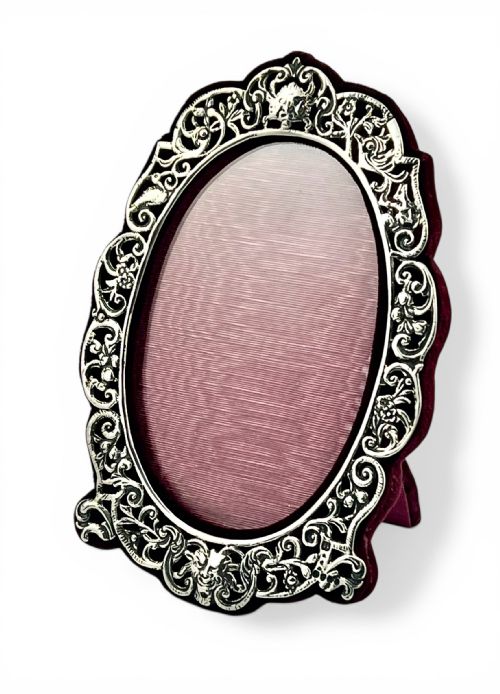
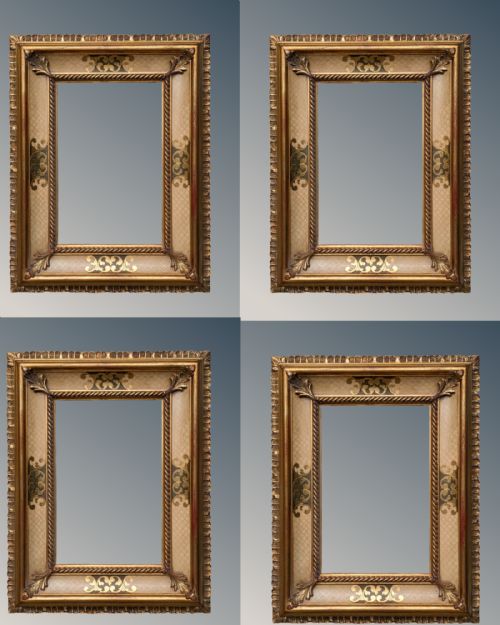
When searching for an ornate photo frame, buyers encounter a rich assortment of antique picture frames, photograph frames, and vanity pieces spanning the Victorian, Edwardian, and nineteenth-century periods. The most common examples on this page are sterling silver photograph frames decorated with repoussé motifs, alongside deep giltwood and gesso picture frames.
Makers and silversmiths utilised various materials, producing items that range from small rectangular or oval sterling silver desk frames to large European gilt bronze and champlevé surrounds. Pieces also include double photo frames, easel backs, and iron designs dating from the late nineteenth and early twentieth centuries.
The selection reflects diverse aesthetic movements including Victorian Rococo Revival, Art Nouveau, French Empire, and Baroque styles. Whether housing a portrait miniature or a framed artwork, these objects combine domestic utility with decorative display.
Assessing Quality
The distinction between tiers rests upon the depth of the carving, the crispness of the silversmith's embossing, and the preservation of the original gold leaf or silver gilt surface. Deeper mouldings and heavier gauge silver indicate superior initial expenditure and robust construction.
Quality also shows in the complexity of decorative elements, such as multi-part cast ormolu mounts, champlevé enamel work, and intact original backing materials like wood and velvet. Finer pieces retain sharp definition in chased motifs and structural integrity in their easel stands.
Ornate Photo Frame Retail Price Guide 2026
Typical asking prices for ornate photo frame among the pieces listed under this phrase on Sellingantiques today, from the lower quarter to the upper quarter. They describe what is for sale here now, not the wider market.
The inventory contains vanity sets, wall art, portrait miniatures, and double photo frames alongside standard picture formats.
William Comyns·Henry Matthews·Walker And Hall·Hardy Brothers
The Ornate Photo Frame Glossary
- Gesso
- A plaster mix applied to wood surfaces as a base for gilding or painting. It provides the smooth or textured ground required for detailed carving.
- Repoussé
- A metalworking technique where the artisan hammers the design from the reverse side to form raised patterns on the front. This method creates the dimensional scenes found on silver frames.
- Ormolu
- Gilt bronze ornaments applied to furniture or frames. The technique involves coating bronze with a mercury and gold amalgam.
- Champlevé
- An enamelling technique where troughs are dug into a metal surface and filled with vitreous enamel before firing. It adds colourful decoration to bronze frames.
- Crystoleom
- A Victorian method of applying a colour print to glass, making it translucent, and then painting it from behind. These finished images often sat inside decorative frames.
Ornate Photo Frame: Frequently Asked Questions
How do I date a silver frame?
Silver frames carry hallmarks that indicate the assay office, metal purity, and date letter corresponding to the year of manufacture. Examining these small stamped marks provides an exact year of creation.
Additional clues come from the style of decoration, such as Art Nouveau curves or Victorian Rococo motifs, which align with specific decades.
Can these frames be hung on walls?
Many frames include integrated loops or rings alongside easel backs, allowing them to hang on walls or stand on desks. Deep giltwood and gesso picture frames are primarily constructed for wall display.
Smaller silver and bronze items generally rely on folding struts for surface placement.
How should I clean silver frames?
Silver frames require gentle cleaning with a soft microfibre cloth and specialised silver polish, avoiding abrasive materials that damage embossed details. Care must be taken around velvet backs and delicate mounted stones.
Professional evaluation is recommended for antique silver gilt to preserve the thin gold layer.