



Ornate Metal Box
An ornate metal box brings centuries of decorative craft straight to the hearth or dressing table, offering both secure storage and striking period display.
Ornate Metal Box
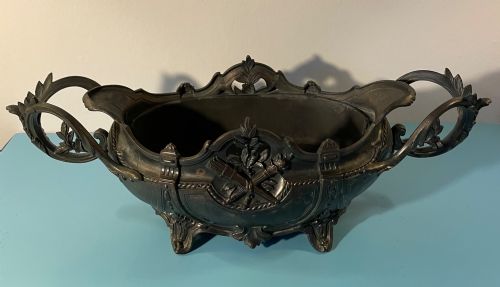
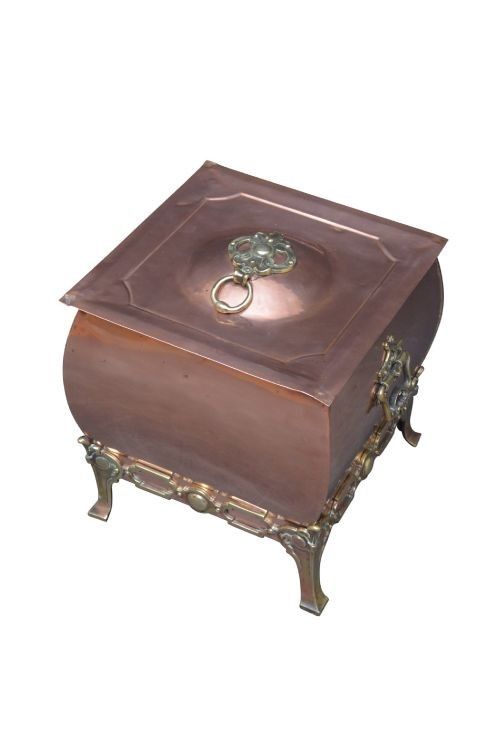
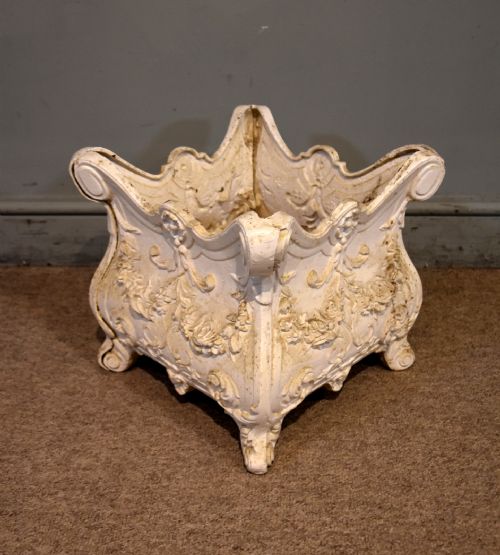
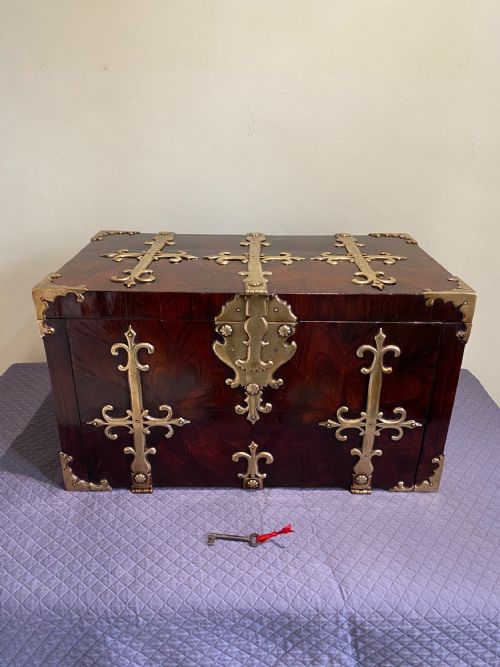
An ornate metal box spans a wide variety of domestic forms, ranging from intimate jewellery caskets and personal diaries repositories to heavy coal scuttles, hearth accessories, and large floor-standing planters. When searching for an ornate metal box, buyers encounter pieces originating from French, Italian, German, and British workshops spanning the seventeenth century through to the early twentieth century.
The material vocabulary is exceptionally diverse, incorporating cast iron, brass, copper, ormolu, gilt metal, silvered metal, and bronze, often combined with wood, stone inlay, or leather. These items serve multiple interior functions, acting as secure strongboxes, decorative jardinières, or vanity cases designed to hold precious keepsakes and documents.
Materials and construction
Makers utilised metalworking techniques such as casting, repoussé, and metal plating to shape brass, copper, iron, and bronze into elaborate vessels. Repoussé work allowed artisans to hammer intricate animal heads, floral motifs, and figurative scenes directly into the metal body.
Structural integrity often relied on combinations of metal framing with timber carcases, particularly in larger storage forms like strongboxes, coppers, and caskets. Gilding, silvering, and ormolu applications provided rich surface finishes that heightened the decorative appeal of French and Italian pieces.
Object forms span domestic storage and display, including jewellery caskets, strongboxes, coal scuttles, diary repositories, and garden jardinières.
Assessing quality and execution
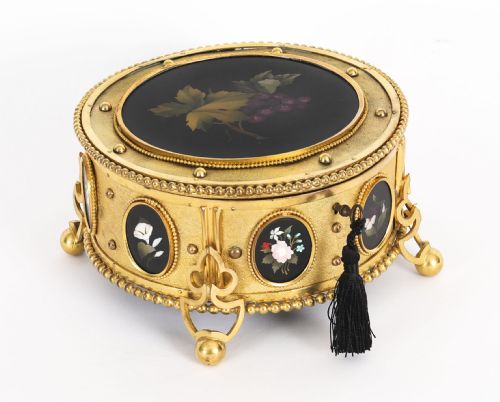
The refinement of surface decoration distinguishes finer examples, particularly where hand-chased details, crisp cast iron mouldings, or specialist stone inlays like pietra dura demonstrate superior artisan skill. The weight of the metal, the precision of the closure mechanisms, and the presence of original interior linings mark out the standard of manufacture.
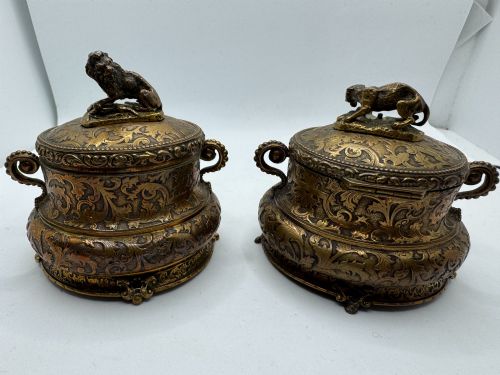
The integration of sculptural elements, such as dog finials or cast animal heads, separates standard production items from more ambitious sculptural caskets and jardinières. Preservation of original gilding, silvered surfaces, and patination further defines the distinction between ordinary utility items and high-status decorative objects.
Coalbrookdale·Walker and Hall·GEORGE PRICE
The Ornate Metal Box Glossary
- Ormolu
- A finely ground high-carat gold-mercury amalgam applied to a bronze or copper base. This technique produces a rich golden finish popular in French decorative arts.
- Repoussé
- A metalworking method where the artisan hammers the design from the reverse side to form raised relief patterns on the front. It creates tactile surface decoration on brass and copper vessels.
- Jardiniere
- An ornamental pot or stand designed to hold plants or flowers. These items appear in cast iron, brass, and copper forms.
- Pietra dura
- An artistic technique using cut and fitted polished coloured stones to create geometric or figurative mosaic designs. It frequently appears inset into Italian cabinetwork and caskets.
- Strongbox
- A heavily secured metal or iron box designed for safeguarding valuables and currency. These pieces often incorporate complex locking mechanisms and fireproof properties.
Ornate Metal Box: Frequently Asked Questions
What were ornate metal boxes used for?
These vessels served diverse household roles, from securing currency and legal documents to housing personal correspondence, diaries, and jewellery. Larger forms functioned as decorative jardinières for plants or coal scuttles for the fireplace.
Their dual purpose combined practical domestic utility with status display in Victorian and continental interiors, placing them in both public reception rooms and private chambers.
How do I care for antique metal boxes?
Dust surfaces gently with a soft, dry cloth to prevent the accumulation of dirt in intricate repoussé crevices or cast decorations. Avoid using aggressive chemical polishes that can strip delicate ormolu, silvering, or aged patination from the metal.
Keep pieces away from excessive moisture and direct heat sources to protect any internal wood linings, leather elements, or stone inlays associated with the metalwork.
How can I tell the age of a metal box?
Dating relies on observing manufacturing techniques, material combinations, and stylistic motifs associated with specific periods like the Victorian era or the seventeenth and eighteenth centuries. Hand-finished casting marks, distinct hinge construction, and original locks provide key chronological evidence.
Stylistic indicators such as French Revival or Gothic Revival ornamentation help narrow down the decade of production when combined with maker marks or regional characteristics.
Are these boxes suitable for daily use?
Many sturdy brass, iron, and copper vessels remain robust enough for everyday functional tasks like holding magazines, plants, or small household items. Strongboxes and jewellery caskets continue to offer practical storage for modern keepsakes.
Delicate gilt-metal or pietra dura pieces require a more gentle approach, functioning best as static display items rather than frequently handled utility boxes.