



Ornate Metal Base
An ornate metal base provides the structural foundation for antique lamps, clocks, and occasional tables through distinct period designs.
Ornate Metal Base
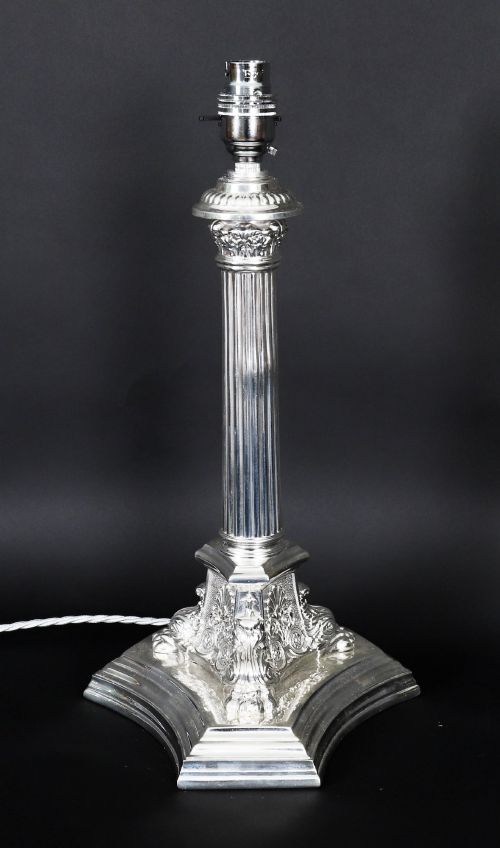
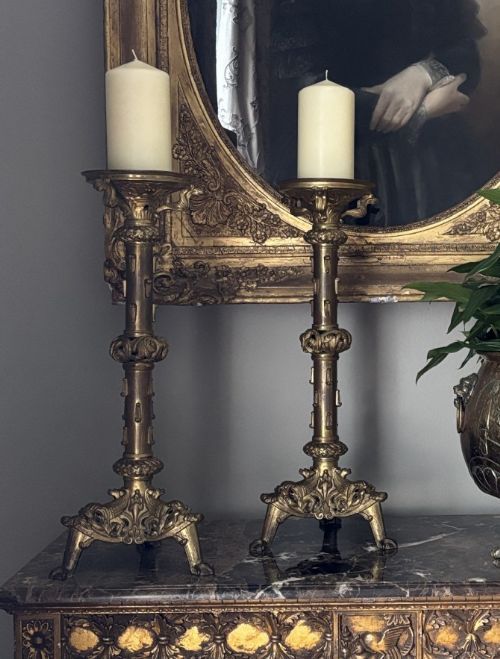
When you search for an ornate metal base, you encounter a variety of functional and decorative items designed to support lighting, timepieces, and small furniture. These objects typically serve as structural yet decorative foundations for items such as table lamps, mantel clocks, occasional tables, and candlesticks.
The pieces on this page span the nineteenth century, the Victorian era, the Edwardian period, and the early twentieth century. You will frequently find French and Italian influences reflected in styles ranging from Neoclassical and Rococo Revival to Orientalist.
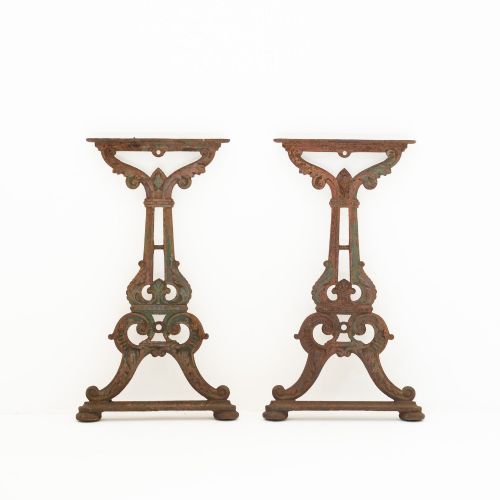
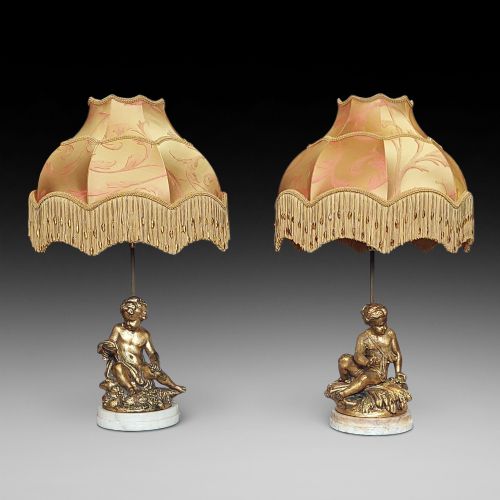
Common manifestations include cast iron table bases with scroll work, gilt metal and marble table lamps, bronze lamp bases, and pressed brass oriental table lights. These examples demonstrate how metal was utilised to create sturdy, highly decorative supports for domestic interiors.
Judging quality in metal bases
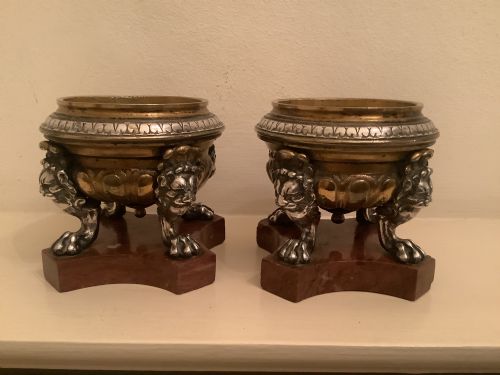
Quality in these pieces is determined by the crispness of the casting and the depth of the chasing in the metalwork. Superior examples show clear, sharp details in decorative motifs and sculptural elements rather than soft or blurred edges from worn moulds.
The integration of mixed materials also indicates standard. Finer items feature well-fitted marble or alabaster mounts, secure fixings, and high-grade gilding or bronze patination that has aged evenly across the surface.
Ornate Metal Base Retail Price Guide 2026
Typical asking prices for ornate metal base among the pieces listed under this phrase on Sellingantiques today, from the lower quarter to the upper quarter. They describe what is for sale here now, not the wider market.
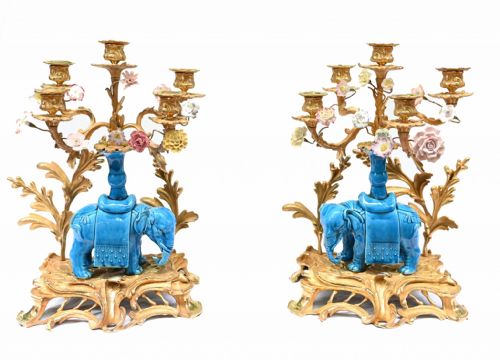
Several bronze items feature small elephants incorporated directly into the base design, adding an unexpected sculptural touch to the metalwork.
Francois Moreau
The Ornate Metal Base Glossary
- Ormolu
- A method of applying finely ground, high-karat gold to a bronze object using a mercury amalgamation process. This technique creates a rich, golden finish often seen on French decorative arts.
- Patina
- The surface appearance that develops on metal over time through handling, oxidation, and wear. A desirable patina shows natural ageing rather than artificial distressing.
- Casting
- A manufacturing process where molten metal is poured into a mould to create a specific shape. Hand-chased castings exhibit superior definition after the metal solidifies.
Ornate Metal Base: Frequently Asked Questions
What periods do these metal bases come from?
The pieces span the nineteenth century through to the Edwardian era and the early twentieth century. This includes specific Victorian, Edwardian, and dated items from the eighteen seventies onwards.
Design characteristics naturally align with the prevailing tastes of those periods, encompassing French Rococo Revival, Neoclassical, and Orientalist aesthetics.
How do I identify a French piece?
French pieces often feature gilt metal, ormolu, or bronze combined with marble bases and intricate sculptural elements. Motifs frequently include classical urns, cherubs, and enamel plaques.
Many examples also demonstrate the influence of French Rococo or Classical styles typical of nineteenth-century manufacturing.
What materials are used in these items?
Construction materials primarily consist of bronze, brass, cast iron, and gilt metal. Secondary materials such as marble, alabaster, and porcelain frequently appear as mounts or bases.
These diverse materials provide both the necessary weight for stability and the decorative surface finish characteristic of each period.