



Ornate Iron Urns
Ornate iron urns bring classical presence to gardens and hearths alike, offering robust construction paired with intricate decorative detail.
Ornate Iron Urns
When buyers search for ornate iron urns, they encounter sturdy vessels designed for both garden display and fireplace use. The selection spans the nineteenth century, including specific dates such as 1850, 1860, 1880, and 1900, alongside later twentieth-century examples.
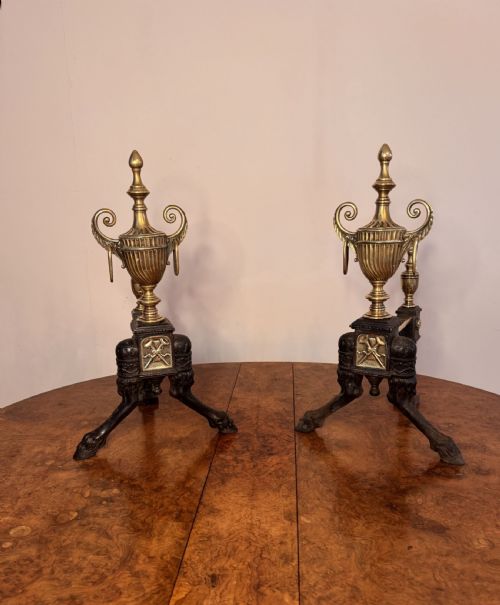
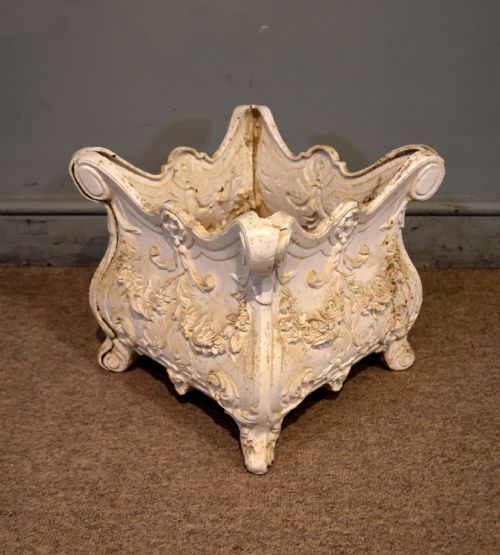
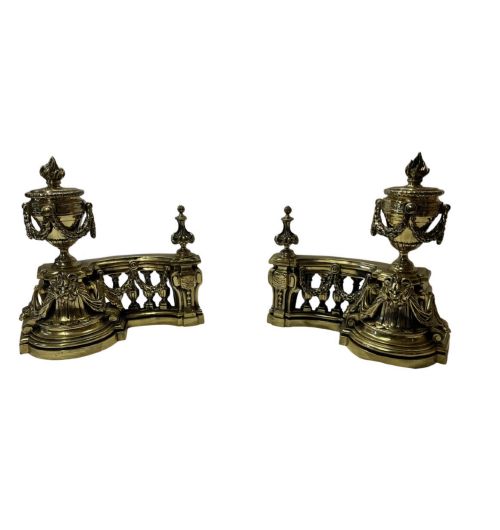
The forms divide between heavy garden planters on plinth bases and interior accessories like fire dogs and grates. Stylistic influences draw heavily on Victorian classical revival, neoclassical, Louis XVI, and Adam style motifs.
Garden planters and interior decorative urns dominate the types available, often appearing in matched pairs. Iron frequently combines with brass elements or painted finishes to enhance the ornamental appearance.
How they were made
Production relies primarily on cast iron and cast metal, shaped through foundry techniques capable of producing crisp surface relief. Details such as gadrooning appear moulded directly into the body of the vessels during casting.
Secondary materials like brass provide contrasting highlights for fireplace accessories, while firebrick lines functional grates. Applied paint finishes often protect the metal and add decorative colour to the finished objects.
Ornate Iron Urns Retail Price Guide 2026
Typical asking prices for ornate iron urns among the pieces listed under this phrase on Sellingantiques today, from the lower quarter to the upper quarter. They describe what is for sale here now, not the wider market.
Listings feature cast iron and brass materials across nineteenth-century periods, including specific dates from 1850 to 1900 alongside 1950 pieces.
What varies in quality
Quality rests in the crispness of the cast ornament and the proportion of the classical design. Finer examples display sharply defined moulding on details like gadrooned borders, whereas simpler pieces show softer edges.
The choice of materials also marks the distinction, with combinations of heavy cast iron and cast brass indicating higher ambition in manufacture. Integrated plinth bases and matched pairs represent superior design integration.
The Ornate Iron Urns Glossary
- Gadrooned Urn on Plinth
- A vessel featuring a decorative carved or moulded notched border around the body, mounted upon a solid supporting base block.
- Fire Dogs
- Andirons used to support logs in an open fireplace, frequently cast in iron and brass with ornamental front standards.
- Adam Style
- A neoclassical design approach characterised by delicate classical ornamentation, symmetry, and refined proportions drawn from ancient Roman architecture.
- Jardiniere
- An ornamental pot or stand designed specifically to hold indoor plants or floral arrangements.
- Cast Iron
- An iron-carbon alloy poured into moulds to create rigid, durable objects with intricate surface decoration.
Ornate Iron Urns: Frequently Asked Questions
Where should I place an iron urn?
These vessels suit both garden settings and interior hearths depending on their specific form and original purpose. Garden planters rest well on lawns or terraces, while fire baskets belong inside period fireplaces.
Interior accessories require adequate hearth space to accommodate their depth and weight safely. Garden versions withstand outdoor exposure thanks to the robust nature of cast iron.
How do I identify a Victorian urn?
Victorian examples often display heavy classical revival or neoclassical ornament, reflecting nineteenth-century revivals of ancient Greek and Roman forms. Look for typical motifs such as gadrooning and robust cast iron construction.
Many pieces from this period incorporate plinth bases or appear as matched pairs designed for formal garden placement.
Are these pieces always made of solid iron?
While cast iron forms the primary body of most items, other materials frequently accompany it in construction. Brass often appears as an accent metal on fire dogs and decorative elements.
Functional fireplace pieces may also incorporate firebrick internally to withstand high temperatures during use.