




Ornate Gold Porcelain
Ornate gold porcelain brings together gilded mounts and painted ceramic surfaces, offering a decorative focal point that draws the eye in any room.
Ornate Gold Porcelain
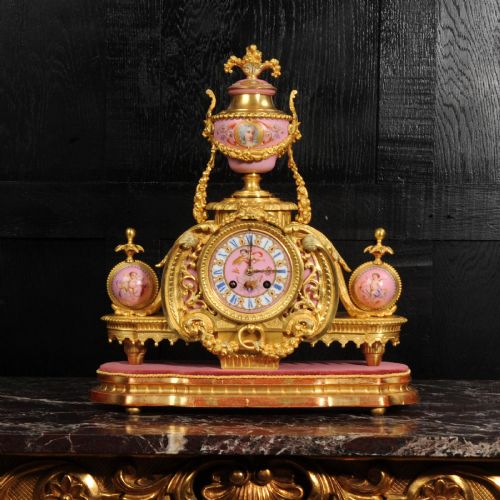
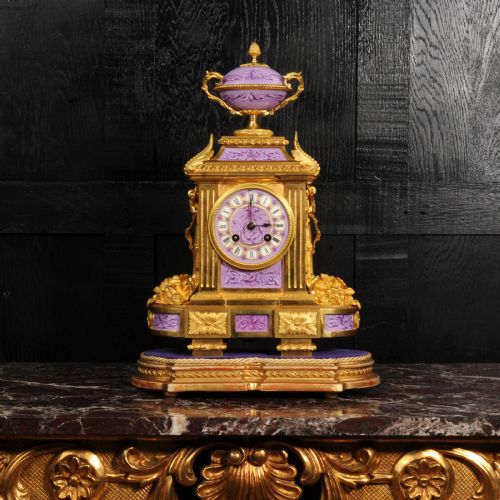
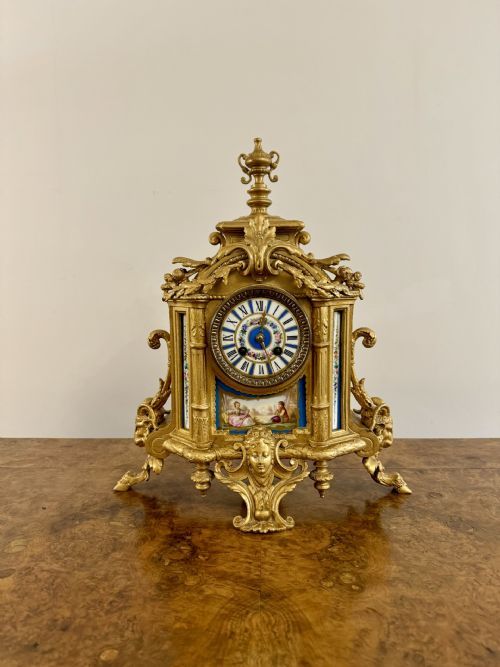
When you search for ornate gold porcelain, you encounter a selection of decorative objects that blend ceramic bodies with metallic embellishments. These pieces span the nineteenth century and the early twentieth century, originating from British factories and French workshops alike. Most items take the form of mantel clocks housed in gilt metal cases, alongside cabinet plates, table lamps, and decorative ewers.
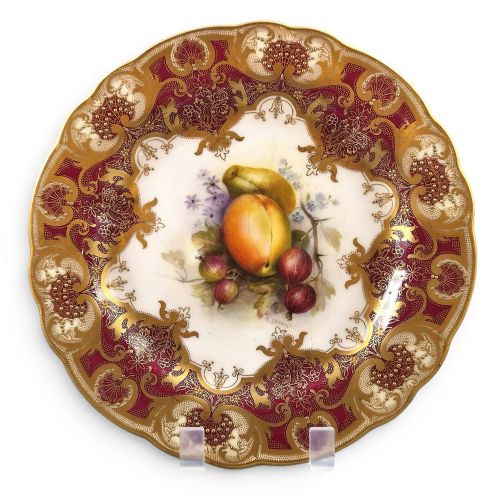
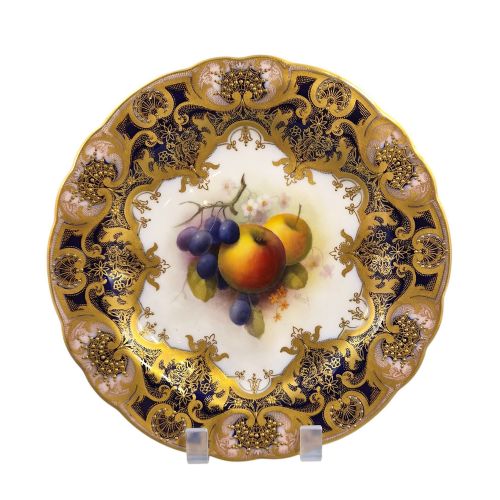
You are most likely to meet French mantel clocks featuring porcelain panels, often paired with ormolu or gilt brass mounts. English porcelain also appears frequently, represented by painted cabinet plates and reticulated ewers from makers such as Royal Worcester and Coalport. These objects serve primarily as decorative accents rather than utilitarian items, designed to catch the light on a mantelpiece or side table.
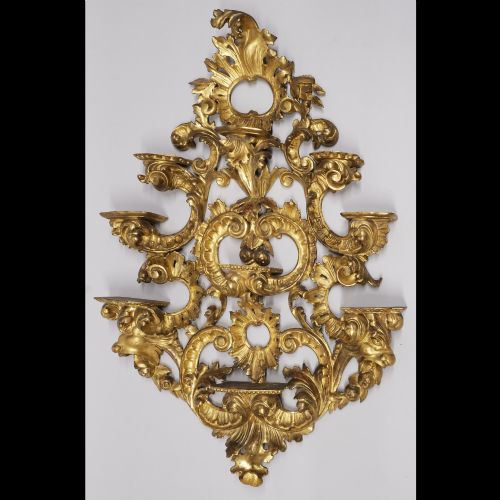
The aesthetic leans heavily towards revival styles, with French Rococo, Louis XVI, and Second Empire designs predominating. Alongside these European pieces, occasional items show Chinoiserie influences or Qianlong style elements. The common thread across the selection is the integration of ceramic surfaces with rich gilding, enamel work, or cast metal mounts.
Materials and construction techniques
The construction of these pieces relies on the combination of fired ceramic with cast and gilded metals. Porcelain bodies, whether hard-paste or soft-paste, provide the foundation for hand-painted scenes, floral motifs, and cobalt blue grounds. Skilled artisans applied gold leaf and liquid gilding to highlights, borders, and entire surfaces, sometimes firing the pieces multiple times to set the metallic finish.
Metal components play a structural and decorative role, particularly in clocks, lamps, and ewers. Ormolu, gilt bronze, and chased brass form elaborate mounts, bezels, and feet that frame the porcelain panels. Makers utilised mechanical fastening techniques, such as pins and screws, to secure heavy metal frames around delicate ceramic plaques without causing fractures.
Surface ornamentation often includes enamel painting, particularly on clock faces and portrait plaques. British potteries employed specialist artists to hand-paint fruit and floral scenes directly onto the glaze, signing their work on the front or reverse. The resulting objects combine the crisp detail of ceramic firing with the tactile warmth of hand-chased metal.
Ornate Gold Porcelain Retail Price Guide 2026
Typical asking prices for ornate gold porcelain among the pieces listed under this phrase on Sellingantiques today, from the lower quarter to the upper quarter. They describe what is for sale here now, not the wider market.
Prussian queens and French military campaigns stare out from porcelain plaques while brass cherubs hold up the time.
Judgments of quality in ornate gold porcelain
Quality in these items rests upon the crispness of the casting and the skill of the hand-painting. Superior metal mounts exhibit sharp chasing and deep relief, whereas lesser examples show soft edges and flat surfaces where the brass or bronze has been cast simply and left unrefined. On the ceramic side, finely executed hand-painted fruit or portraits distinguish high-grade cabinet pieces from standard transfer-printed wares.
The reputation of the maker also dictates the standing of a piece within the range. Works bearing the marks of established factories or noted porcelain painters command attention through superior paste density and pigment control. The harmony between the metal mount and the ceramic body further defines the standard, as bespoke housings fit the porcelain snugly without gaps or awkward joins.
Achille Brocot·Royal Worcester·Grainger Worcester·Japy Freres·Coalport·KPM Porcelain·Royal Crown Derby
The Ornate Gold Porcelain Glossary
- Ormolu
- Gilt bronze or brass mounts used extensively on nineteenth-century French clocks and decorative objects. The technique involves applying a mercury and gold amalgam to a bronze base before heating.
- Cabinet plate
- A decorative ceramic plate intended for display on a wall or in a cabinet rather than for dining use. These items often feature elaborate hand-painted scenes and gilt borders.
- Reticulated
- Having an openwork pattern resembling a net or lattice, created by cutting through the clay before firing. This technique appears on decorative ewers and vases.
- Ewer
- A large jug with a wide spout and a decorative handle, historically used for pouring water but valued here as an ornamental vessel. Many examples combine painted porcelain bodies with gilt metal mounts.
- Sevres
- A French porcelain manufactory known for high-grade ceramic production, often associated with rich blue ground colours and heavy gilding. The name frequently denotes a style or period of decoration on antique clocks and plates.
Ornate Gold Porcelain: Frequently Asked Questions
What is ornate gold porcelain?
Ornate gold porcelain refers to nineteenth- and early-twentieth-century decorative items that combine ceramic bodies with extensive gilding and metal mounts. These include mantel clocks, cabinet plates, table lamps, and ewers.
The category encompasses both British factory production and French decorative arts, united by the presence of painted ceramic surfaces and gold ornamentation.
How were antique porcelain clocks used?
These clocks served as functional timepieces and status symbols for the mantelpieces of nineteenth-century drawing rooms. They were designed to coordinate with matching candelabra or side urns in a garniture set.
While many house mechanical movements that still run, their primary role today is as decorative centerpieces that showcase the clockmaker's and ceramicist's craft.
How do I care for gilt porcelain?
Gilt porcelain requires gentle treatment to preserve the delicate painted surfaces and metallic leaf. Dusting with a soft, dry brush prevents the accumulation of dirt without risking abrasion.
Moisture and chemical cleaners should be kept away from the gilding and enamel paint, as harsh substances can strip the gold leaf or damage the ceramic glaze.
How do I identify the period of a piece?
Dating relies on factory marks stamped or painted on the reverse of the ceramic, stylistic cues from the metal mounts, and mechanical details on clock movements. Victorian and Edwardian pieces often bear specific registration numbers or artist signatures.
Revival styles such as French Rococo or Louis XVI provide broad chronological brackets, while specific makers help narrow the date of manufacture to a particular decade.